Home Blog Page 5

‘Packed like sardines’: Grieving father speaks out after Gweru school kombi fire horror

0
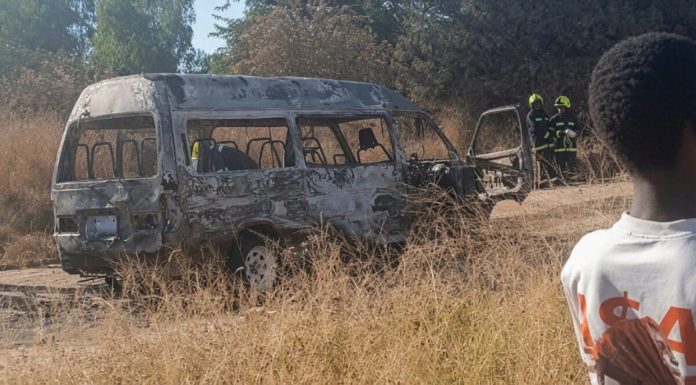
The burnt-out shell of kombi which caught fire in Senga, Gweru (Picture via ZimLive.com)

A heartbroken father whose son died in the devastating Gweru commuter omnibus fire that claimed the lives of seven schoolchildren has blamed overcrowding for turning the vehicle into a death trap.

Tafadzwa Jimu, the father of Albert Tawananyasha Jimu, said the tragedy should serve as a wake-up call for parents, transport operators and authorities about the dangers of overcrowded school transport.

The horrific incident occurred on Wednesday afternoon near Chirandu Shops in Gweru’s Senga suburb when a commuter omnibus transporting pupils caught fire and was rapidly engulfed in flames.

Of the 24 children aboard the vehicle, 17 managed to escape, but seven learners became trapped inside and died in the inferno.

Authorities are still investigating the cause of the blaze, which has been described as one of Zimbabwe’s worst school transport disasters in recent years.

Speaking outside Gweru Central Police Station, where distraught families gathered as authorities worked to identify the victims, Mr Jimu said the children had been packed into the vehicle with little regard for their safety.

“It is unfortunate that we had allowed this to happen. As parents we sometimes allow our children to be literally packed in the kombi and today it has backfired,” he said.

“My child and other innocent children were packed like sardines. They were made to sit on top of each other.”

Fighting back tears, Mr Jimu said the overcrowding made rescue efforts almost impossible once the fire broke out.

“That is why the driver and well-wishers failed to save all the children from the inferno. There were just too many in the commuter omnibus,” he said.

The grieving father, who was at work when news of the fire reached him, said parents must begin demanding safer and more appropriate transport for their children.

The commuter omnibus was carrying two female attendants and the driver at the time of the incident. All three suffered minor injuries and have since been discharged from hospital.

One of the attendants, Jennifer Muchenje, said she was seated in the front of the vehicle recording pupils’ names when the fire erupted.

“I was busy collecting names for our database so that we know who has paid and who is due to pay transport fees,” she said.

“I remember the fire started and I jumped out and injured my hands. Then the people managed to pull out some children and unfortunately they had no time to pull out everyone as the fire just covered the whole commuter omnibus.”

The intensity of the blaze left authorities with the difficult task of identifying the victims through DNA testing.

Police have collected samples from the children’s mothers to assist forensic experts in matching the remains recovered from the burnt-out vehicle.

A detective who addressed parents at Gweru Central Police Station explained that maternal DNA testing provides highly reliable results.

“We have collected samples from the six mothers, which will be matched with the tissues that were collected from the deceased,” he said.

As the identification process continues, families remain trapped in anguish, waiting for confirmation before they can lay their loved ones to rest.

Mr Jimu said he was clinging to memories of his son while hoping for closure.

“He was a bright boy. We just want to lay him to rest with dignity,” he said.

The tragedy has prompted a national outpouring of grief.

President Emmerson Mnangagwa has declared the incident a national disaster, paving the way for government support to affected families.

Primary and Secondary Education Minister Torerai Moyo said he was deeply saddened by the deaths of the learners from Matongo Primary School.

“What pains me the most is the fact that these were innocent children who have been robbed of their lives and their future due to negligence of the driver,” he said.

“All their aspirations and dreams have been shattered. My deepest condolences go to the bereaved families.”

How a British transport manager helped rebuild rural Zimbabwe after independence

0
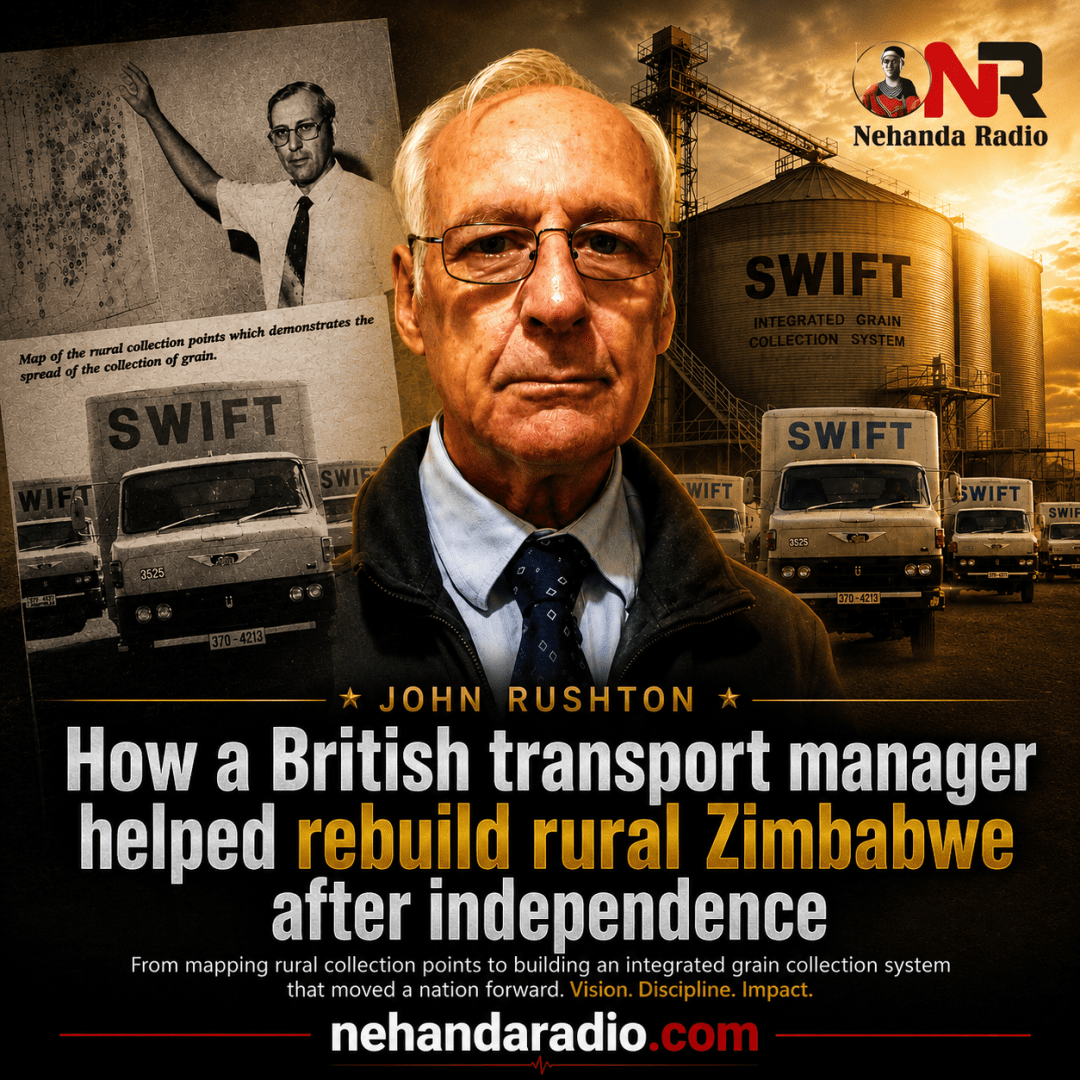
John Rushton, now 81 and living in Shropshire, England, says his involvement began shortly after Zimbabwe attained independence in 1980 when he accepted an unusual assignment that would take him deep into former guerrilla strongholds in Manicaland Province. (Pictures via John Rushton)

A British-born transport manager who spent more than three decades in Zimbabwe has shared a remarkable account of his role in helping rebuild rural communities after independence, describing how transport logistics became a critical tool in improving the lives of millions of small-scale farmers.

John Rushton, now 81 and living in Shropshire, England, says his involvement began shortly after Zimbabwe attained independence in 1980 when he accepted an unusual assignment that would take him deep into former guerrilla strongholds in Manicaland Province.

At the time, Rushton was working for Browns Transport in Marondera when officials from Zimbabwe’s Central Intelligence Organisation (CIO) approached the company seeking assistance in delivering agricultural inputs to rural communities as part of the new government’s reconciliation and development programme.

The task involved transporting fertiliser, seed and agricultural chemicals into remote areas that had been devastated by years of conflict and where roads remained damaged by landmines and neglect. Many transport operators reportedly declined the challenge because of the risks involved.

Rushton accepted.

One of his first missions took him to Regina Coeli Mission in Nyamaropa, a former guerrilla assembly point where thousands of ex-combatants were based after the war.

“I was Police Anti-Terrorist Unit fighting terrorists based in Chimoio, Mozambique. You are now asking me to enter their base camp,” Rushton recalled. “I felt that the Lord had chosen me to take on this challenge.”

He describes navigating treacherous roads, building makeshift river crossings and working alongside former adversaries to establish supply chains capable of reaching isolated farming communities.

According to Rushton, what began as a short-term assignment evolved into a four-year effort to distribute thousands of tonnes of agricultural inputs across Manicaland and Mashonaland provinces.

He says the programme helped establish farming cooperatives, encouraged the cultivation of crops such as tea and coffee, and enabled rural families to generate income and pay school fees.

As Zimbabwe’s rural development strategy expanded, Rushton later joined Swift Transport, where he played a leading role in coordinating some of the country’s largest agricultural logistics operations.

John Rushton, now 81 and living in Shropshire, England, says his involvement began shortly after Zimbabwe attained independence in 1980 when he accepted an unusual assignment that would take him deep into former guerrilla strongholds in Manicaland Province. (Pictures via John Rushton)

In 1985, he was appointed to oversee the collection and movement of maize from newly established rural depots, working with more than 70 transport companies and over 100 trucks to move tens of thousands of tonnes of grain from communal farming areas.

The initiative was praised by business organisations and government agencies as an innovative approach to rural development and agricultural marketing.

Rushton was also involved in major donor-funded programmes supported by international organisations and governments, including the European Economic Community, USAID, Save the Children, the Canadian International Development Agency and several European governments.

These projects focused on delivering fertiliser, seed, farming equipment and drought-relief supplies to remote communities.

One of the largest operations took place during the severe drought of the late 1980s, when Rushton coordinated the delivery of 14,500 tonnes of agricultural inputs to 482 destinations across five provinces.

The programme reached some of Zimbabwe’s most inaccessible areas and involved collaboration between government agencies, transport operators, seed producers and international donors.

Beyond road transport, Rushton was also involved in a government-backed survey of Lake Kariba in 1986 that examined the potential for donor-funded transport services using fast boats and barges to improve access to isolated communities along the vast inland waterway.

Reflecting on his decades in Zimbabwe, Rushton says he remains proud of his contribution to rural development.

“Over 44 years in Zimbabwe, I experienced a fulfilling life with my wife and three children,” he wrote. “I spent 30 of those years working to improve conditions for rural communities and more importantly saving millions from facing poverty in Zimbabwe.”

His account offers a rare personal perspective on the logistical challenges, reconciliation efforts and development programmes that shaped Zimbabwe’s rural economy during the first decade after independence.

King of bling: How Ginimbi mastered the art of being impossible to ignore

0
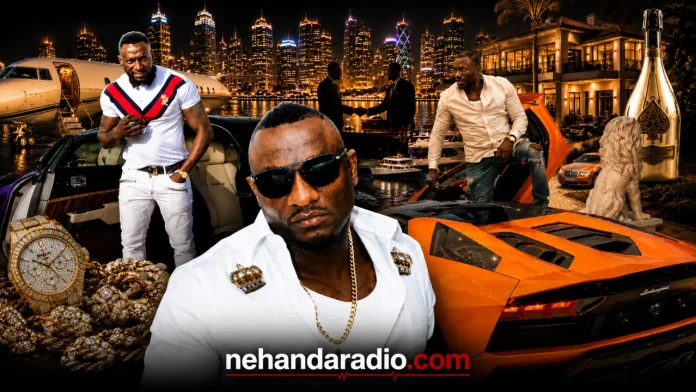
The late socialite Genius Kadungure, affectionately known as Ginimbi (Pictures via Social Media)

​The velvet November sky over Harare had barely begun to bruise into twilight when the growl of a bespoke Rolls-Royce Wraith fractured the evening calm.

Inside the gated opulence of the Domboshava mansion, champagne corks popped with rhythmic precision, bouncing off marble floors imported from Italy, while the bassline from a South African amapiano track reverberated through the manicured lawns.

At the centre of this universe stood Genius Kadungure, impeccably draped in an all-white designer suit, raising a glass of Dom Pérignon to an adoring crowd of politicians, musicians, and digital disciples.

He smiled, flashed a diamond-encrusted watch, and uttered his signature catchphrase: “My life, your entertainment.” It was a masterclass in the theatre of excess, a scene that encapsulated a larger-than-life persona that transfixed a country.

Yet, just days later, that very same Rolls-Royce would become a crumpled, charred coffin on the liberation war icon Herbert Chitepo Avenue, reducing the spectacle to ashes and plunging a nation into unprecedented mourning.

​The tragic, fiery crash that ended his life at 36 triggered a collective national convulsion that defied conventional logic.

How did a socialite and businessman with no formal political office, no liberation war credentials, and no official state position become one of the most talked-about and publicly mourned figures in modern Zimbabwe?

To understand the grief that paralysed Harare in November 2020, one must look past the luxury fleet and into the soul of a society undergoing a profound cultural mutation.

Kadungure, universally known as Ginimbi, was not merely a wealthy man; he was a living canvas upon which ordinary Zimbabweans projected their deepest anxieties, frustrations, and forbidden dreams of material salvation.

​His journey began far from the champagne showers of Domboshava, in the dusty, unforgiving terrains of rural Marondera before his family relocated to the Domboshava peri-urban settlement.

Raised in a modest household, young Genius was not earmarked for greatness by academic pedigree or inherited privilege. He was an ordinary boy in an extraordinary country, coming of age during the economic cataclysms of the early 2000s when hyperinflation rendered traditional notions of thrift and formal employment obsolete.

Long before the world knew him as Ginimbi, he possessed a hyper-attuned survival instinct and a charismatic, fast-talking demeanour that separated him from his peers.

At just 17, he entered the volatile world of gas trading, brokering informal deals for liquefied petroleum gas, hauling heavy canisters on his back through the streets of Harare.

It was a gritty, unglamorous hustle, but it taught him a fundamental lesson about the emerging Zimbabwean economy: formal structures were collapsing, and fortune belonged to the nimble, the visible, and the unburdened.

​As his business grew into Pioneer Gases, a commercial venture supplying energy across the region, the businessman behind the brand realised that in the modern era, tangible assets were only half the battle.

The other half was the illusion of absolute invincibility. What remained mysterious about his corporate empire, including lingering questions about tax compliance and tender politics, only added to his mystique.

Uncertainty became an asset. Ginimbi understood that in a landscape starved of economic predictability, the absolute certainty of his personal wealth was an intoxicating commodity.

He masterfully cultivated an image of seamless success, ensuring that every business deal, whether real or performative, was validated by a corresponding luxury purchase.

​Long before global brands discovered the monetisation of lifestyle, Ginimbi turned himself into Zimbabwe’s premier digital performance artist.

He converted Facebook and Instagram into virtual amphitheatres, broadcasting his life as an unedited, glittering soap opera. While traditional elites hid their wealth behind high walls and opaque offshore accounts, Ginimbi brought the cameras inside.

He understood the architecture of luxury, inviting millions to witness his fleet of Bentleys, Lamborghinis, and Ferraris parked outside his village mansion.

His annual all-white birthday parties became legendary regional spectacles, attracting affluent entourages from South Africa, Nigeria, and beyond, transforming local entertainment into an international showcase.

​This unapologetic display of wealth explains why a struggling populace could not look away. In a nation where decades of economic stagnation had made daily survival a grueling chore, Ginimbi did not sell luxury; he sold escape.

To his millions of followers, he was the ultimate antidote to austerity, a folk hero who had bypassed the broken meritocracy to conquer the world on his own terms.

When he popped thousand-dollar bottles of champagne on camera, his audience was not resentful; they were living vicariously through his excess.

He represented a clean break from the past, proof that a young boy from the village could build a palace without a political godfather or a legacy name.

​Yet, this ostentation invited fierce criticism and deep-seated controversy. Sceptics viewed his lifestyle as a grotesque monument to inequality, an insensitive display of wealth in a sea of poverty.

Whispers and urban legends regarding the spiritual origins of his riches, from sacred snakes to ritual sacrifices, flooded the public discourse. In Zimbabwe, such myths are often deployed to rationalise extraordinary wealth that defies the logic of a broken economy.

Rather than shrinking from these controversies, Ginimbi weaponised them. He leaned into the gossip, mocking his detractors with playful arrogance on social media, understanding that in the economy of attention, outrage is just as profitable as adoration.

​In doing so, he spearheaded a celebrity revolution that fundamentally altered the anatomy of fame in Southern Africa. For decades, public reverence in Zimbabwe was strictly partitioned between liberation heroes, political titans, and legendary musicians like Oliver Mtukudzi.

Ginimbi shattered this trinity. He pioneered a new template of power based entirely on visibility, digital influence, and lifestyle branding.

He proved that an individual could command the national psyche through the sheer force of curated personality, bypassing traditional gatekeepers entirely.

His sprawling entourage, consisting of beautiful women, foreign socialites, and local entrepreneurs, formed a self-sustaining ecosystem that mirrored the court of a digital monarch.

​The suddenness of his death in that horrific dawn collision on Borrowdale Road felt like the final, tragic act of a carefully scripted drama. The national mourning that followed was an unofficial state funeral in everything but name.

When his body was transported back to Domboshava, thousands of ordinary citizens lined the highways, climbing trees and billboards just to catch a glimpse of the custom-made Versace coffin.

Politicians arrived in luxury convoys, and local musicians sang tributes, creating a spectacle that completely eclipsed the burials of many decorated national heroes, including that of Robert Mugabe.

​This overwhelming public outpouring revealed the profound shift in the nation’s collective imagination. The crowds were not merely grieving a man; they were mourning the dream he personified.

They were weeping for the loss of a collective fantasy, a vibrant symbol of possibility that had injected colour into a monochrome reality.

The Ginimbi paradox lies in this very duality: he was simultaneously a cautionary tale of reckless indulgence and an inspirational beacon of self-determination.

​Ultimately, Genius Kadungure was the ultimate architect of modern aspiration. His lasting achievement was not the mansion he left behind or the roaring engines of his supercars, but his uncanny ability to capture the imagination of a nation.

His life and death demonstrated that in the twenty-first century, power is no longer the exclusive domain of the political office or the military uniform.

In the digital age, attention is the ultimate currency, and few individuals have ever spent it as lavishly, or as memorably, as the boy from Domboshava.

The man was buried, but the myth remains safely intact, an eternal reminder of a time when a socialite showed a nation how to dream without permission.

The activist, the Land Cruiser and price of dissent: When patriotism became a transaction

0
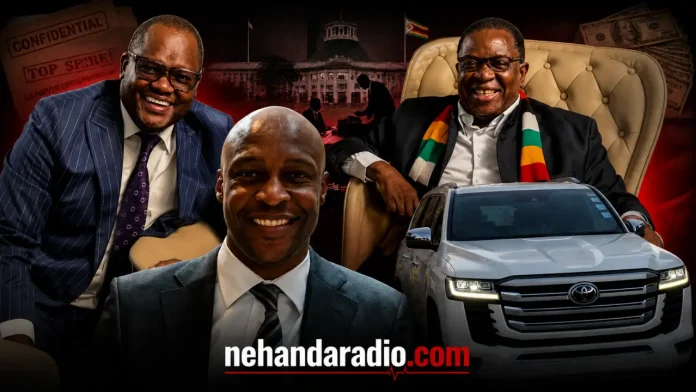
Presidential Adviser Paul Tungwarara, President Emmerson Mnangagwa and political activist Rutendo Benson Matinyarare (Pictures via Facebook - Rutendo Benson Matinyarare and X - Paul Tungwarara)

Part Two of a Four-Part Series: The Republic for Sale – How Transactional Politics Captured Zimbabwe

A few days ago, Presidential Investment Adviser Paul Tungwarara publicly offered activist Rutendo Matinyarare a Toyota Land Cruiser 300 Series. The offer was made in full public view.

There was no secrecy. No leaked audio. No clandestine meeting. No midnight negotiation. Everything unfolded on X for the nation to watch.

Tungwarara’s message was straightforward. He said he had followed Rutendo’s work for a long time with admiration. He said he was unhappy with the direction Rutendo’s attacks on President Emmerson Mnangagwa had taken.

He said social media was not the best platform for dispute resolution. He invited Rutendo to a roundtable discussion. Then came the part that captured national attention.

As a condition for the engagement, Tungwarara offered Rutendo a Toyota Land Cruiser 300 Series and invited him to collect it.

The reaction was immediate. Supporters applauded. Critics condemned. Social media erupted.

But the more interesting development came from Rutendo himself. He accepted the offer. Then he explained why.

And in doing so, he transformed what appeared to be a simple story about a vehicle into a profound debate about patriotism, sacrifice, compensation and political culture.

The Land Cruiser was never really the story. The explanation was.

The Unpaid Invoice:

In responding to Tungwarara, Rutendo made an argument that deserves to be understood before it is judged.

He did not claim that he had suddenly changed his political beliefs. He did not say he was abandoning his concerns. He did not even present himself as a man being bought.

Instead, he presented himself as a man who believed he had been abandoned. His argument was simple.

For years, he says, he undertook assignments in support of Zimbabwe. He says presidential advisers, envoys and intermediaries knew where to find him. He says he worked in defence of Zimbabwe’s interests internationally. He says he paid a personal price. His business suffered. His opportunities diminished. He became isolated.

Then came the most revealing part of his explanation. He says that when it was time for agreed remuneration, those who had recruited him disappeared.

The assignment remained. The sacrifice remained. The consequences remained. But the compensation never arrived. His frustration, therefore, was not merely political. It was contractual.

And that distinction matters. Because it transforms the entire debate. The question is no longer whether a critic accepted a vehicle. The question becomes whether patriotism itself can be invoiced.

A Different Time:

Reading Rutendo’s explanation forced me to reflect on my own experience. Not because our stories are identical. They are not. But because they belong to two very different political cultures.

I started writing for The Herald, The Sunday Mail, The Chronicle and the Daily Mirror in 2005.

Zimbabwe was under sanctions. Land reform was under relentless international attack.

The dominant global narrative was that Zimbabwe was a rogue State. The dominant political objective in London, Washington and Canberra was not merely policy change. It was regime change.

Young Zimbabweans reading this today may struggle to appreciate what that period looked like.

In 2007, people perceived to be connected to ZANU-PF, whether fairly or unfairly, found themselves under scrutiny across the West. Children of politicians, relatives of politicians, business associates, government officials and anyone publicly associated with Zimbabwe’s ruling establishment often found themselves caught in a political climate that was intensely hostile.

People lost opportunities. People lost jobs. People lost immigration privileges. Some faced deportation proceedings. Others faced investigations.

Families were affected. Students were affected. Professionals were affected. The atmosphere was real.

I was living in Sydney, Australia, where I am still living today.

And unlike many Zimbabweans abroad who chose silence, I was publicly writing in defence of Zimbabwe’s sovereignty, land reform programme and opposition to sanctions.

My articles carried my name. My views were public. My position was known. The consequences followed.

Complaints were made. Pressure was applied. My employers received correspondence. Institutions received correspondence. My residency status came under scrutiny. Government departments took an interest.

There were attempts to portray me as something I was not. There were suggestions that I should not remain in Australia.

To be brief but precise let me say this. I was working for a Sydney based UN agency, and they were lobbied to sack me, and they did, under political pressure. This was followed by an appearance on ABC as a criminal from Mugabe’s regime residing in Australia, a murderer, rapist and one who tortured people. This was followed by a defamation case settled in my favour.

My university was inundated with emails lobbying for my expulsion, and I became unemployable. I had to start my own business, and even that has never been easy.

At the climax of it all, I was served with a notice for cancellation of residence visa, and documents for referral to the International Criminal Court (THE HAGUE). I had to fight all this through the courts to remain in Australia.

Did I stop writing for Zimpapers and defending Zimbabwe? No. Was I getting paid for the columns I ran? No. Did I complain? No.

Am I complaining now? No.

There were moments when the pressure became intense enough to make silence seem attractive. But silence would have been easier only if conviction had been negotiable.

It was not. And perhaps that is the difference I see between that era and this one.

We never discussed compensation. We never discussed remuneration. We never discussed benefits.

Nobody promised me a vehicle. Nobody promised me a contract. Nobody promised me a government appointment. Nobody promised me a roundtable. Nobody asked what it would take for me to continue.

The assumption was simple. If you believed in something, you carried the cost yourself. If the burden became unbearable, you walked away.

But conviction itself carried no salary. That does not make my generation better than Rutendo’s generation. It simply means we were operating under a different political culture.

Rutendo’s generation asks why sacrifice was not compensated. My generation never imagined sacrifice would be.

But here is my experience in the Rutendo era. I am still writing. Like him I am a critic of many things happening in our government – not least CAB 3 and corruption.

Like him I have received emissaries and invites to find common ground with old allies during the sanctions era.

Like him I have been invited to meetings with the people who matter, in exchange for stopping or de escalating my criticism.

But I have said the only negotiation possible is abandonment of CAB 3 and restoration of independent institutional authority for all our accountability institutions. A car to myself will not and cannot restore that. Not even an invite to a post in the same establishment.

Patriot or Contractor?

This is where the debate becomes uncomfortable. Because Rutendo’s explanation raises a legitimate question.

If a person genuinely sacrifices opportunities, income and personal security while advancing a cause on behalf of a State, should that person be compensated?

Reasonable people may answer yes. Others may answer no.

The question itself is not absurd. Governments employ consultants. Governments hire lobbyists. Governments engage public relations firms. Governments retain advisers.

There is nothing inherently unusual about remuneration for services rendered.

But patriotism occupies a different moral space. The moment patriotism becomes a commercial arrangement, its character changes.

The relationship changes. The incentives change. The expectations change. The language changes.

A citizen becomes a contractor. Conviction becomes a service. Sacrifice becomes a billable expense. And eventually patriotism becomes something that can be purchased.

That is the point where many Zimbabweans become uncomfortable. Because once patriotism becomes compensable, a difficult question follows.

Who determines its value? Who decides who deserves payment? Who calculates the rate? What of those who sacrificed more? What of those who lost businesses? What of those who lost careers? What of those who lost freedom? What of those who lost family? What of those who lost their lives?

The moment patriotism becomes a debt, the Republic acquires millions of creditors.

The Politics of Compensation:

The deeper significance of the Tungwarara-Rutendo exchange lies elsewhere. It reveals how transactional language is steadily colonising public life.

The same week Zimbabweans debated allegations of inducements around parliamentary votes for CAB3, they found themselves debating compensation for political loyalty and activism.

Different actors. Different circumstances. The same underlying logic.

What is the offer? What is the benefit? What is the compensation? What is the reward?

Increasingly, political disagreements are not resolved through persuasion. They are resolved through accommodation.

Not through principle. Through negotiation. Not through conviction. Through settlement.

The language of citizenship begins to resemble the language of commerce. And once that happens, everything acquires a market value.

Votes acquire a market value. Silence acquires a market value. Praise acquires a market value. Loyalty acquires a market value. Defections acquire a market value. Even criticism acquires a market value.

The Land Cruiser resonated because many Zimbabweans instinctively recognised this broader pattern.

The vehicle was not the story. The transaction was.

From Sacrifice to Transaction:

Perhaps this is the real political story of our time. Not corruption. Not factionalism. Not even constitutional amendments.

The gradual replacement of sacrifice with transaction. A generation that often understood politics as service increasingly finds itself confronting a political culture that understands politics as exchange.

The language has changed. The expectations have changed. The incentives have changed. And inevitably, politics has changed too.

Mercenaries work for payment. Patriots work for legacy. Mercenaries calculate invoices. Patriots count sacrifices. Mercenaries ask what the country owes them. Patriots ask what they owe the country.

I could have chosen silence many years ago. Many of us could have. We did not.

Not because there was no cost. But because some things are worth more than the price being offered.

A Republic survives when some citizens still believe that principle is not for sale. The moment principle acquires a market value, the question is no longer whether politics has become transactional.

The question becomes whether patriotism itself has become a commodity. And if patriotism has become a commodity, then another question inevitably follows: Where does the money come from?

That question takes us to the next chapter of this story.

Part Three: The Tenderpreneur Republic examines the rise of Zimbabwe’s new billionaire class and asks whether the country is producing wealth creators or merely wealth extractors.


Emotional Hamilton ends Ferrari wait with dramatic Spanish Grand Prix victory

0
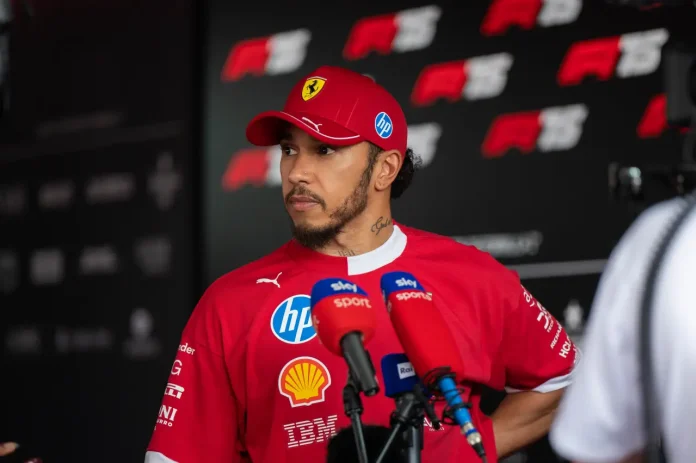
HungarianGP GP F1 2025 on August 3 2025 at Budapest, Hungary - Formula 1 Lewis Hamilton driver for Ferrari — Photo by PitShots.com via DepositPhotos.com

Lewis Hamilton secured his first victory for Ferrari in spectacular fashion at the Spanish Grand Prix, ending a long personal wait for a win and reigniting his Formula One title challenge after a dramatic late twist denied Mercedes’ Kimi Antonelli a podium finish.

The seven-time world champion crossed the line first at the Circuit de Barcelona-Catalunya after a virtual safety car transformed the race in Ferrari’s favour, handing Hamilton his first triumph since the 2024 Belgian Grand Prix and his maiden victory in Ferrari colours.

An emotional Hamilton paid tribute to his team over the radio moments after taking the chequered flag.

“Grazie a tutti. You’ve helped me achieve this dream. I am so proud of you,” he said. “To my family, I love you, and to the fans, thank you for continuing to remind me who I am.”

Mercedes driver George Russell finished second, while reigning world champion Lando Norris completed an all-British podium in third place. It marked the first time since the 1968 United States Grand Prix that British drivers occupied all three podium positions.

The decisive moment came when Aston Martin driver Fernando Alonso retired with a mechanical problem on lap 40, triggering a virtual safety car period.

Hamilton had been running a three-stop strategy compared to the two-stop plans employed by Mercedes. The interruption allowed Ferrari to bring him in for fresh tyres while preserving track position, effectively handing him control of the race.

Without the virtual safety car, Hamilton would likely have emerged behind both Russell and Antonelli and been forced to fight his way back through in the closing stages.

Instead, he returned to the track still in the lead and used his fresher tyres to pull away comfortably.

The result was especially significant for Ferrari, delivering the team’s first race victory since the 2024 Mexican Grand Prix and its first win in Spain since Fernando Alonso triumphed for the Scuderia in 2013.

For much of the afternoon, however, victory appeared destined for Mercedes.

Russell converted pole position into the lead at the start, ahead of Hamilton and Antonelli, and the trio remained closely matched throughout the opening half of the race.

The strategic battle intensified when Hamilton made an early stop for fresh tyres. Mercedes responded by bringing in Russell and Antonelli shortly afterwards to protect their positions.

Antonelli gradually increased the pressure on his teammate and eventually overtook Russell with just five laps remaining, moving into second place after a race-long duel.

But celebrations were short-lived.

Moments after making the pass, Antonelli’s Mercedes suffered an electrical failure and came to a halt on track, ending what had been another impressive performance from the 19-year-old Italian.

His retirement elevated Norris onto the podium and handed Russell second place.

The victory significantly boosts Hamilton’s championship hopes. Combined with Antonelli’s retirement, it reduced the Ferrari driver’s deficit at the top of the standings to 41 points.

Speaking after the race, Hamilton described the win as one of the most meaningful of his career.

“They are all special in their own way,” he said. “But this one is something else. I’ve always wondered what it would feel like to win in a Ferrari, and now it has happened.”

He praised Ferrari’s strategy and pit crew, adding: “Everyone has worked hard for it and everyone deserves it. This is just the first of, I hope, many.”

Behind the leading trio, Max Verstappen finished fourth for Red Bull ahead of McLaren’s Oscar Piastri and Red Bull teammate Isack Hadjar.

Ferrari’s celebrations were slightly dampened when Charles Leclerc retired late in the race after suffering a power steering failure.

Formula One now heads into a brief break before returning for the Austrian Grand Prix at the Red Bull Ring from June 26-28.

CAB3 critic Matinyarare sparks uproar after Tungwarara offers him luxury vehicle

0
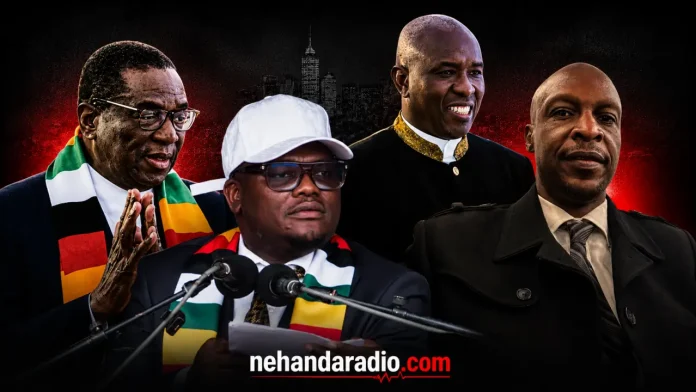
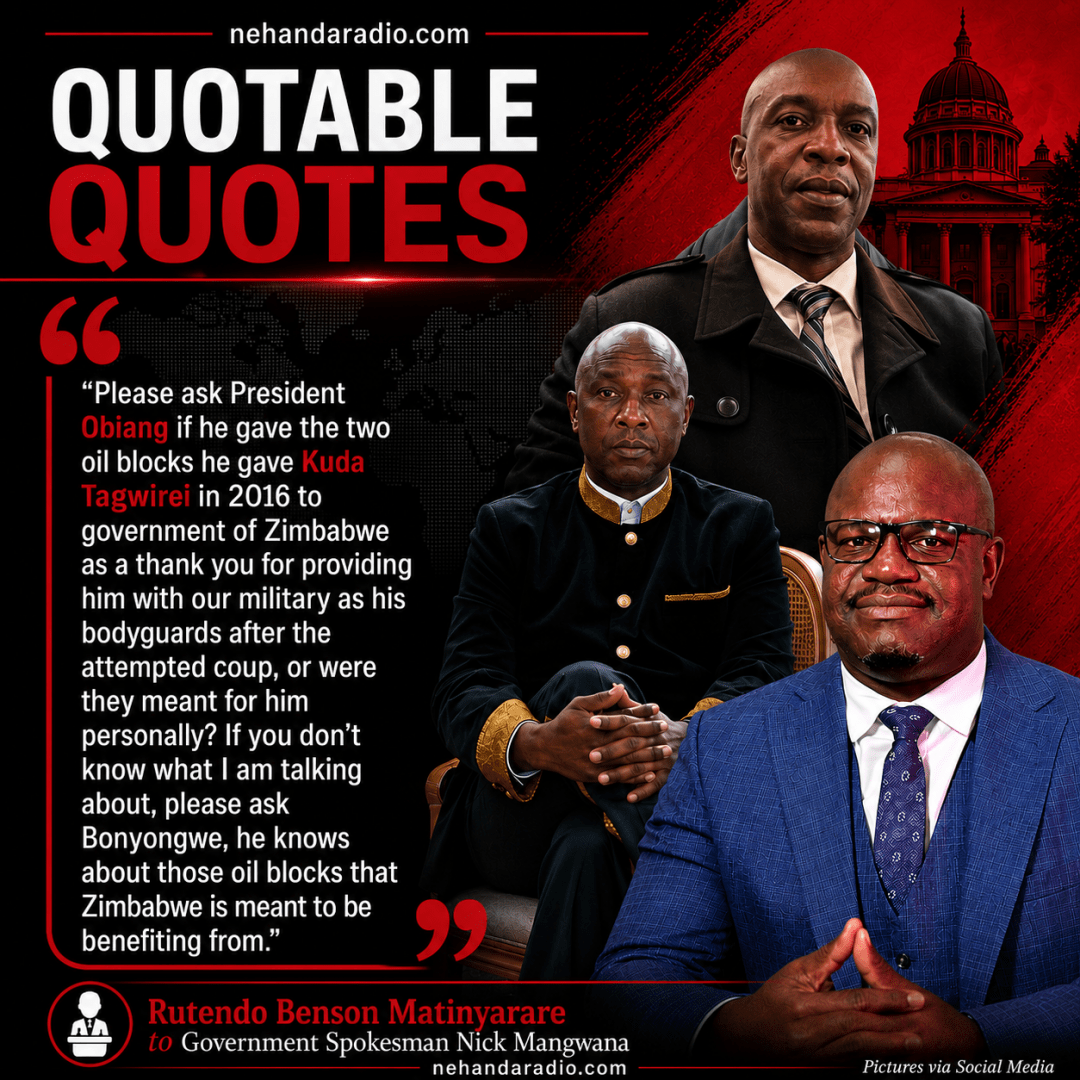
President Emmerson Mnangagwa, Presidential Adviser Paul Tungwarara, tenderpreneur Kudakwashe Tagwirei and political activist Rutendo Benson Matinyarare (Pictures via Facebook - Rutendo Benson Matinyarare and Social Media)

Activist Rutendo Benson Matinyarare has found himself at the centre of a growing political storm after an extraordinary public exchange with Presidential Adviser Paul Tungwarara prompted questions about the motivations behind his fierce opposition to Constitutional Amendment Bill No. 3 (CAB3).

If you are wondering why President Emmerson Mnangagwa's regime has decided to pay off activist Rutendo Benson Matinyarare, have a look at some of the explosive allegations he was making 😳
If you are wondering why President Emmerson Mnangagwa’s regime has decided to pay off activist Rutendo Benson Matinyarare, have a look at some of the explosive allegations he was making 😳

For months, Matinyarare has been one of the most vocal critics of CAB3, using social media platforms to attack the proposed constitutional changes while also releasing leaked audio recordings involving several prominent public figures, including former Norton MP Temba Mliswa and author Joshua Maponga.

However, a series of posts exchanged with Tungwarara over the weekend has fuelled speculation that the activist’s grievances may have been linked to unpaid political work he claims to have carried out on behalf of individuals connected to the government.

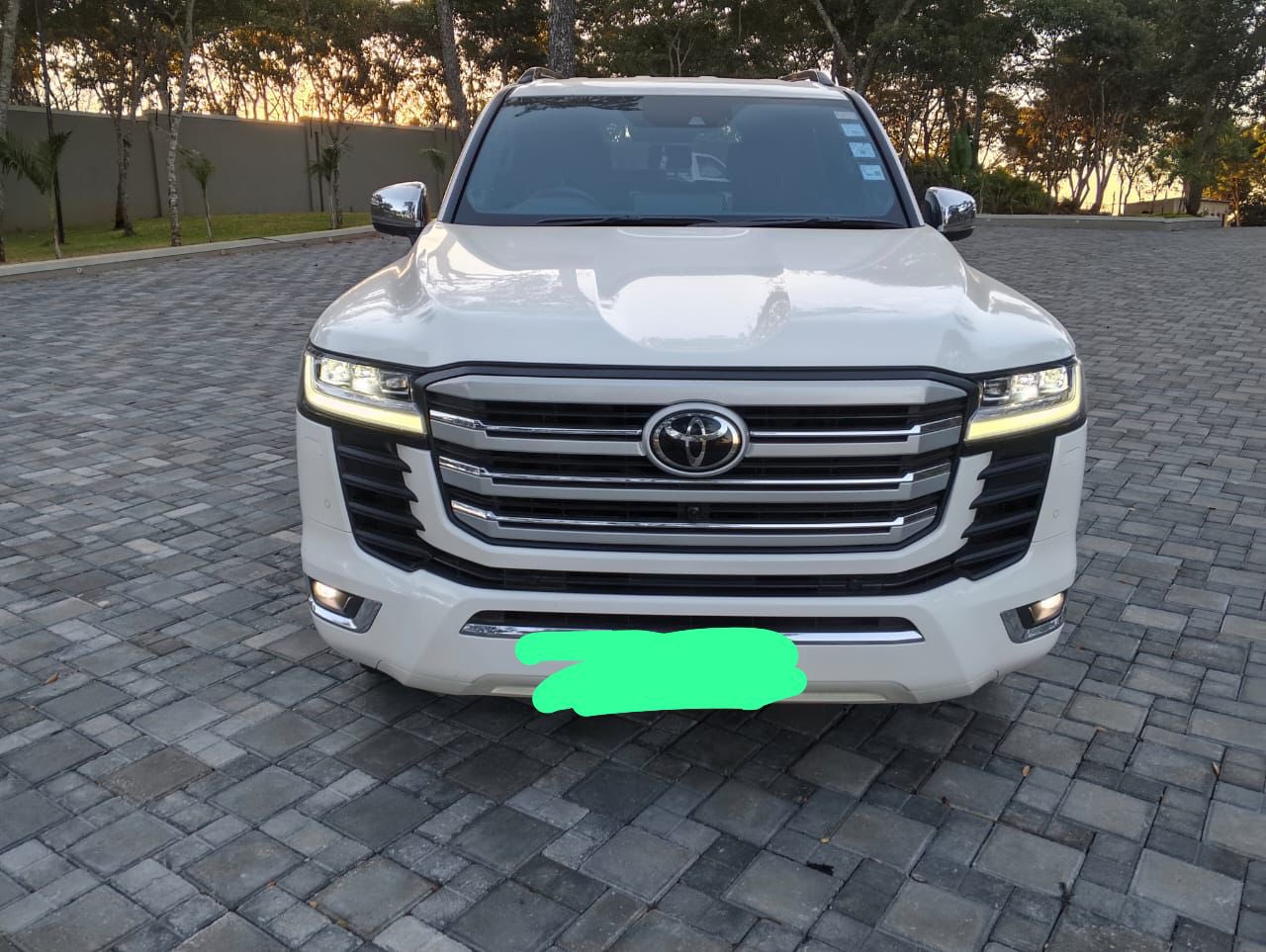
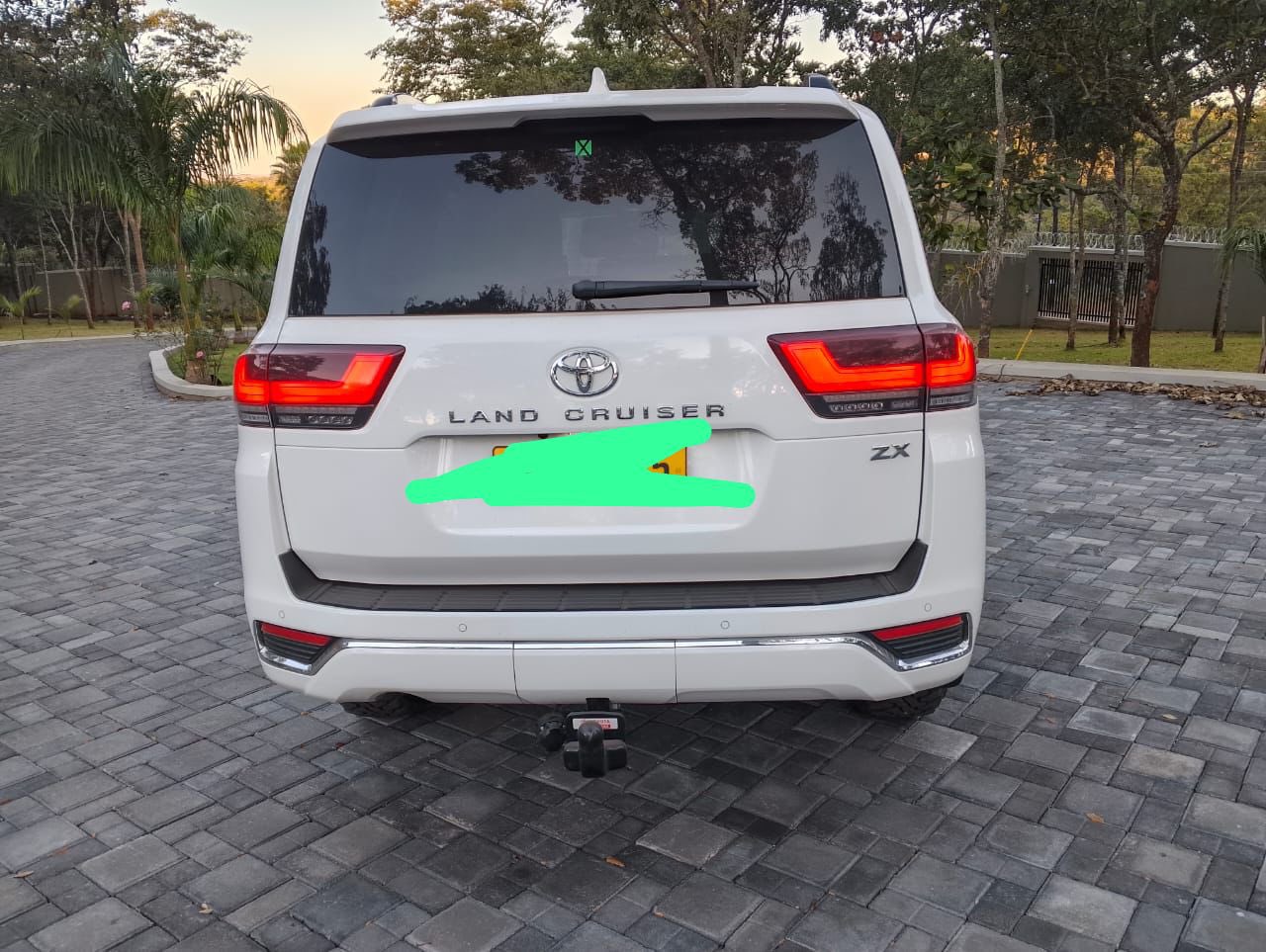
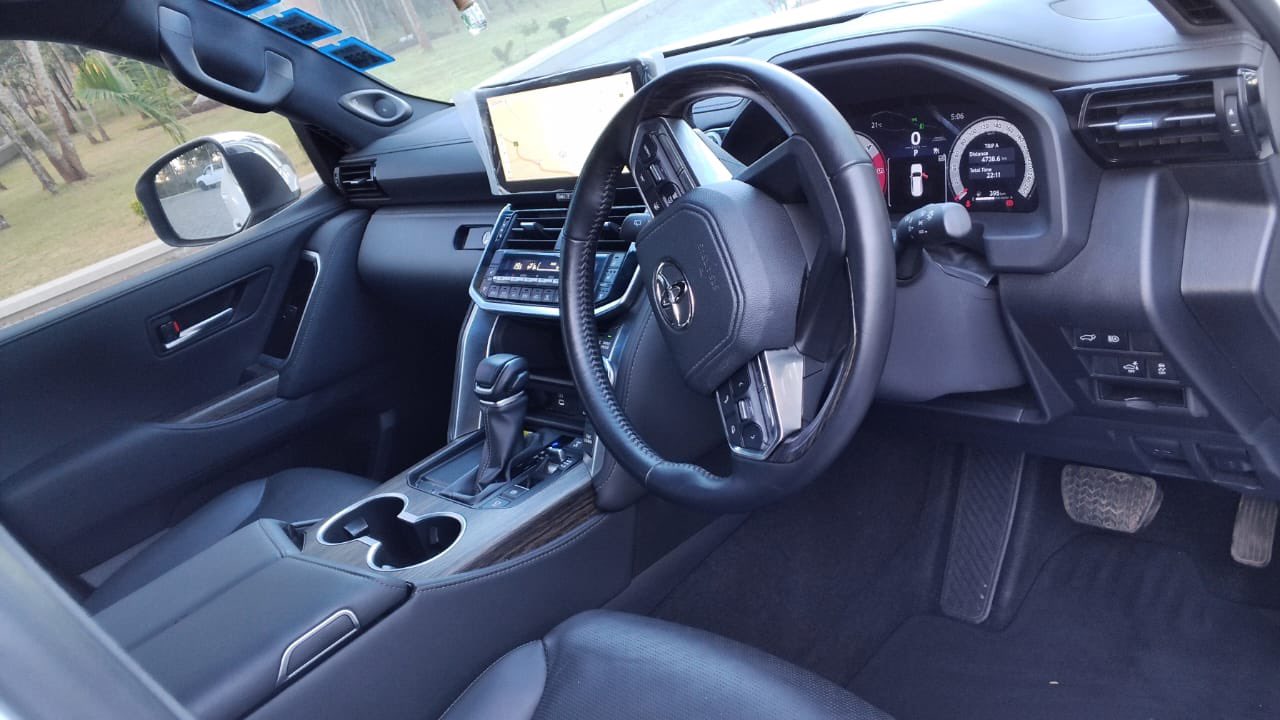
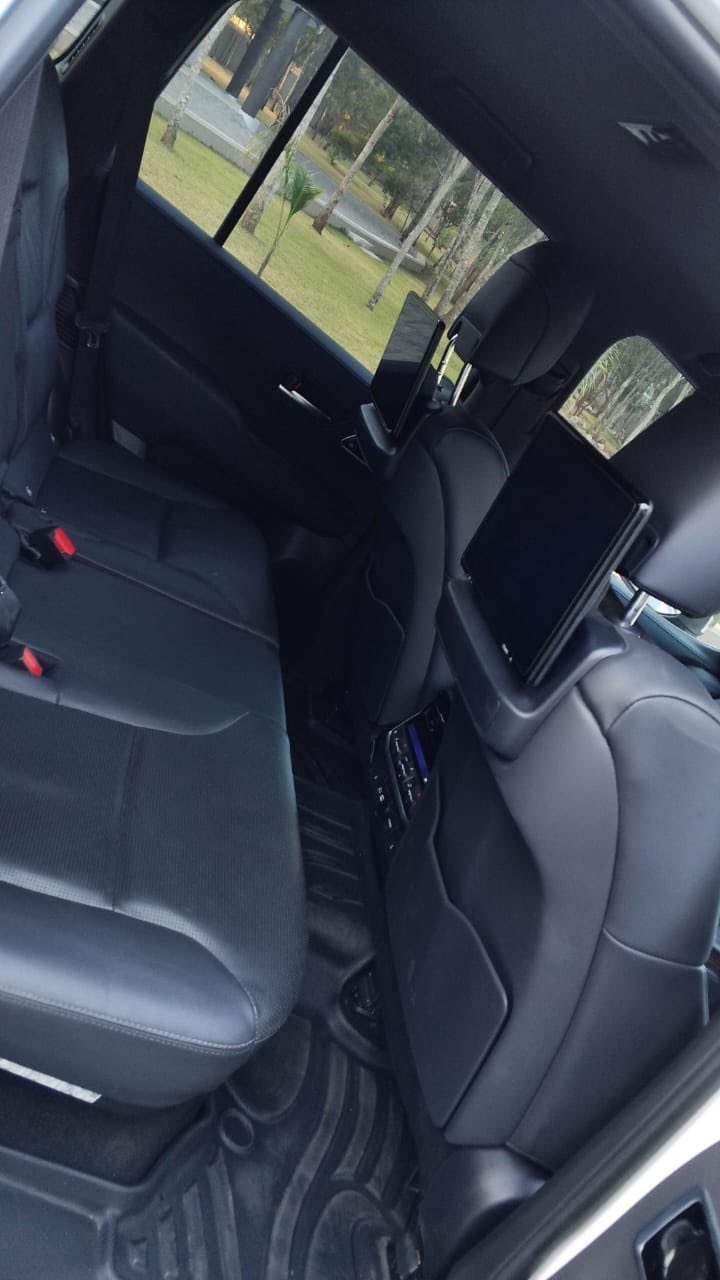
Presidential Adviser Paul Tungwarara shared pictures of the Toyota Land Cruiser bought for activist Rutendo Benson Matinyarare to buy his silence and stop him from leaking audios damaging President Emmerson Mnangagwa and his regime. (📸 Pictures va X - Paul Tungwarara)
Presidential Adviser Paul Tungwarara shared pictures of the Toyota Land Cruiser bought for activist Rutendo Benson Matinyarare to buy his silence and stop him from leaking audios damaging President Emmerson Mnangagwa and his regime. (📸 Pictures va X – Paul Tungwarara)

The controversy began when Tungwarara publicly appealed for calm, saying he had followed Matinyarare’s work with admiration but was concerned about his attacks on President Emmerson Mnangagwa and his decision to air disputes on social media.

He invited the activist to a roundtable discussion to address his concerns.

In response, Matinyarare said individuals who had worked for the country and promoted the President’s agenda should receive recognition and compensation.

He claimed he had participated in campaigns against sanctions, efforts to stop the deportation of Zimbabwean workers from South Africa, initiatives to improve Zimbabwe’s diplomatic relations with Rwanda and programmes designed to promote a positive image of Zimbabwe internationally.

“Now all we are asking for is reciprocity and the correction of an injustice,” Matinyarare wrote.

Presidential Adviser Paul Tungwarara shared pictures of the Toyota Land Cruiser bought for activist Rutendo Benson Matinyarare to buy his silence and stop him from leaking audios damaging President Emmerson Mnangagwa and his regime. (📸 Pictures va X - Paul Tungwarara)
Presidential Adviser Paul Tungwarara shared pictures of the Toyota Land Cruiser bought for activist Rutendo Benson Matinyarare to buy his silence and stop him from leaking audios damaging President Emmerson Mnangagwa and his regime. (📸 Pictures va X – Paul Tungwarara)

The exchange took a dramatic turn when Tungwarara praised Matinyarare’s response and announced that, as a first step towards reconciliation, he should collect a Toyota Land Cruiser 300 Series before their planned meeting.

Matinyarare accepted the offer and elaborated on his frustrations, alleging that he had carried out assignments at the request of presidential advisers and envoys, often at personal and financial cost, only to be abandoned when it came time for remuneration.

“In executing my mandate, I put my life and business interests at risk,” he wrote, adding that he became one of the most unpopular Zimbabweans in South Africa because of his activism.

The public exchange immediately triggered debate on social media, with critics questioning whether Matinyarare’s campaign against CAB3 had been driven by principle or by a dispute over payment.

Presidential Adviser Paul Tungwarara shared pictures of the Toyota Land Cruiser bought for activist Rutendo Benson Matinyarare to buy his silence and stop him from leaking audios damaging President Emmerson Mnangagwa and his regime. (📸 Pictures va X - Paul Tungwarara)
Presidential Adviser Paul Tungwarara shared pictures of the Toyota Land Cruiser bought for activist Rutendo Benson Matinyarare to buy his silence and stop him from leaking audios damaging President Emmerson Mnangagwa and his regime. (📸 Pictures va X – Paul Tungwarara)

Several users openly suggested that his criticism of government figures was linked to unresolved financial grievances rather than constitutional concerns. Others questioned whether his position on CAB3 would change if the remuneration dispute was settled.

The controversy has also renewed attention on Tungwarara’s own remarks about disputes involving individuals close to the presidency.

Before engaging Matinyarare directly, Tungwarara had argued that many public attacks on President Mnangagwa stemmed not from opposition to government policies but from unresolved business disagreements involving people within the President’s circle.

He urged those associated with the presidency to resolve disputes privately and avoid damaging the President’s image through public conflicts.

Presidential Adviser Paul Tungwarara shared pictures of the Toyota Land Cruiser bought for activist Rutendo Benson Matinyarare to buy his silence and stop him from leaking audios damaging President Emmerson Mnangagwa and his regime. (📸 Pictures va X - Paul Tungwarara)
Presidential Adviser Paul Tungwarara shared pictures of the Toyota Land Cruiser bought for activist Rutendo Benson Matinyarare to buy his silence and stop him from leaking audios damaging President Emmerson Mnangagwa and his regime. (📸 Pictures va X – Paul Tungwarara)

The episode has added another layer to the increasingly heated debate surrounding CAB3, with supporters and opponents of the Bill now arguing not only over the proposed constitutional changes but also over the credibility and motivations of some of the loudest voices in the national conversation.

Matinyarare remains a polarising figure. Supporters credit him with spearheading anti-sanctions campaigns through the Zimbabwe Anti-Sanctions Movement (ZASM) and raising awareness of regional issues, including the conflict in eastern Democratic Republic of Congo.

Critics, however, accuse him of courting controversy and frequently shifting political positions.

As questions continue to swirl around the exchange with Tungwarara, the affair has become one of the most talked-about political stories on Zimbabwean social media, raising fresh questions about activism, patronage and influence in the country’s increasingly polarised political environment.

Ghana slams Canada over Thomas Partey visa ban ahead of World Cup opener

0
Ghana's Sports Minister Kofi Adams (Picture via Facebook - Ministry of Sports and Recreation)

Ghana has launched a diplomatic push against Canada’s decision to deny midfielder Thomas Partey entry into the country ahead of the Black Stars’ opening match at the 2026 FIFA World Cup.

The move means the former Arsenal star is set to miss Ghana’s Group L clash against Panama in Toronto on Wednesday, despite being cleared to enter the United States for the remainder of the tournament.

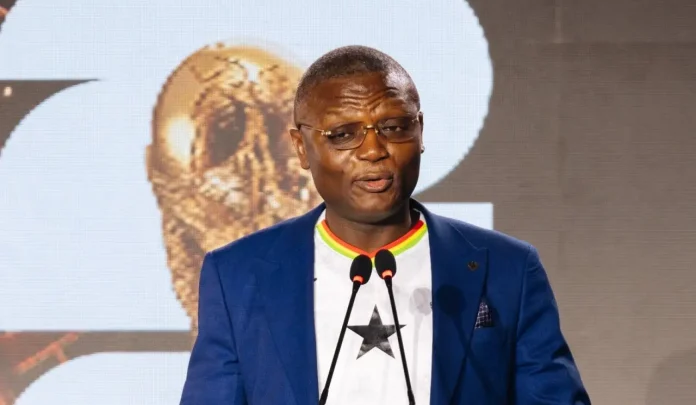
Ghana’s Sports Minister Kofi Adams has condemned the decision, describing the grounds for the visa rejection as “flimsy” and urging Canadian authorities to review the matter.

“If any Ghanaian is touched anywhere, we will not keep quiet over it,” Adams told Channel One TV.

“Through the appropriate channels, we have communicated to the rightful authorities and are requesting for them to use all processes to review and give opportunity for a review of such a decision that we think frowns on international laws and conventions.”

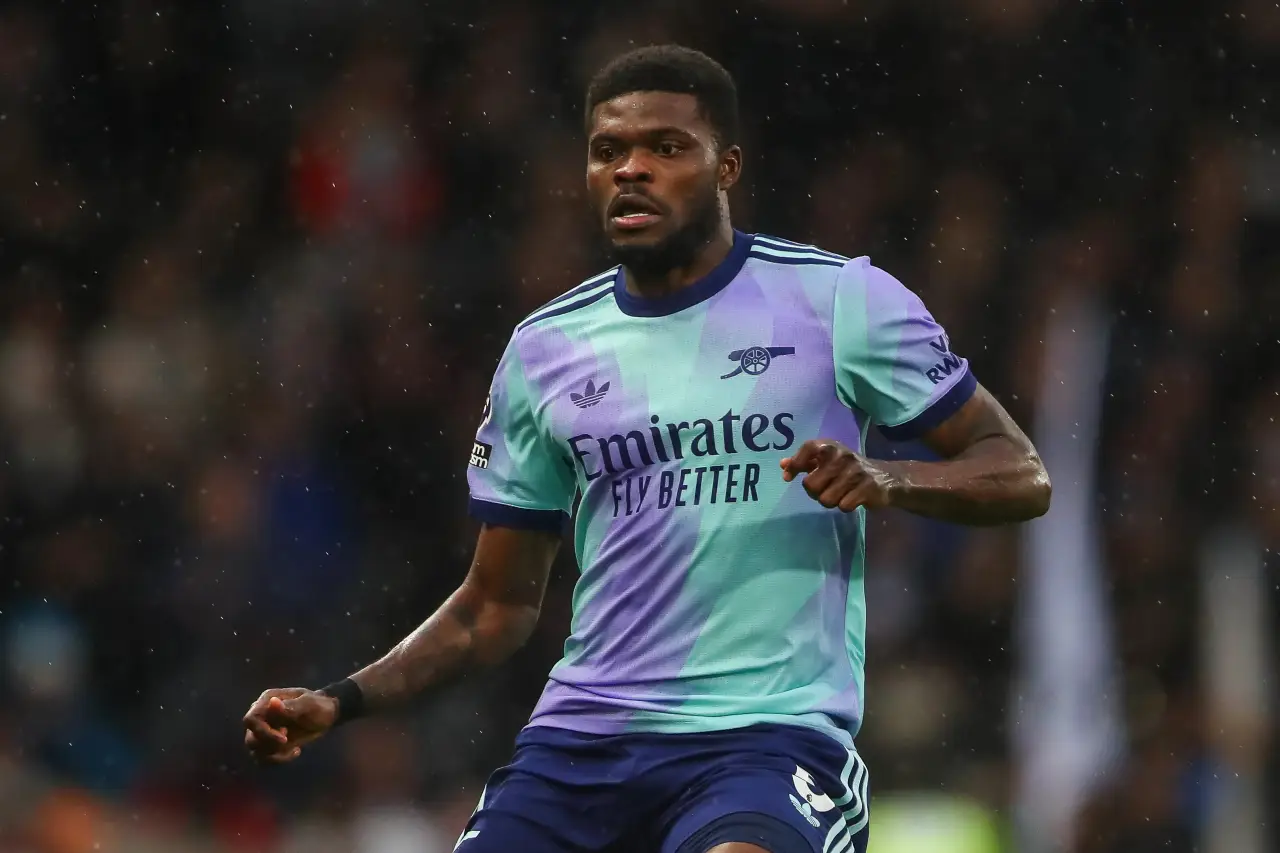
Thomas Partey of Arsenal during the Premier League match Fulham vs Arsenal at Craven Cottage, London, United Kingdom, 8th December 2024 — Photo by NewsImages via DepositPhotos.com

The minister argued that Partey has only been charged and has not been convicted of any crime, making the decision difficult to justify.

“He has not been found guilty,” Adams said. “Even in the country where they claim he committed the act, for which reason he is in court, which he has denied, he is still living there as a free citizen.”

FIFA confirmed on Friday that Partey would not be permitted to travel to Canada and would instead remain at Ghana’s training base in Boston.

The 33-year-old midfielder is currently facing seven counts of rape and one count of sexual assault in the United Kingdom. He has pleaded not guilty to all charges and remains on bail pending trial.

The allegations relate to four different women and stem from incidents allegedly occurring between 2021 and 2022. Partey was initially charged in July 2025 with five counts of rape and one count of sexual assault. He entered not guilty pleas later that year.

In February 2026, prosecutors brought two additional rape charges involving a fourth complainant. Partey again pleaded not guilty when he appeared before Southwark Crown Court in April.

The trial had initially been scheduled for November 2026 but is now expected to be delayed until January 2027.

Canada’s government has defended its position, stressing that hosting the World Cup does not exempt visitors from immigration laws.

In a statement, Immigration, Refugees and Citizenship Canada said every case is assessed individually under Canadian law and based on the facts available.

Canada’s immigration guidelines indicate that individuals may be denied entry if they have committed or been convicted of certain offences, although Partey has not been convicted.

FIFA also distanced itself from the controversy, stating that visa decisions remain entirely within the authority of host governments.

The dispute has escalated beyond football, with Ghana’s Ministry of Foreign Affairs accusing Canada of acting unfairly.

In a statement released on Saturday, the ministry described the decision as “high-handed and extremely unfair”, arguing that relying on unproven allegations rather than a court verdict raises serious concerns about fairness and proportionality.

The ministry said Ghana was actively engaging Canadian authorities through diplomatic channels and called for the decision to be reversed.

“Government further notes Mr Partey’s selection for the upcoming FIFA World Cup and the significant national and global sporting considerations at stake, and therefore urges Canada to rescind its decision in the interest of fairness and cardinal principles of common law,” the statement said.

While Ghana’s hopes of overturning the decision remain uncertain, Partey is expected to be available for the Black Stars’ remaining group-stage fixtures in the United States.

Ghana face England in Foxborough on June 23 before concluding their group campaign against Croatia in Philadelphia on June 27.

The absence of one of Ghana’s most experienced players is a major setback as the Black Stars seek a strong start in a group where every point could prove crucial.

Zari Hassan and Shakib Cham announce shock split after 5 years together

0
Ugandan socialite and businesswoman Zari Hassan has confirmed that her marriage to Shakib Cham Lutaaya has come to an end (Pictures via Instagram - Zari The Boss Lady and Shakib Cham)

Ugandan socialite and businesswoman Zari Hassan has confirmed that her marriage to Shakib Cham Lutaaya has come to an end, bringing the curtain down on one of East Africa’s most talked-about celebrity relationships.

The announcement was made through a joint statement shared on Zari’s Instagram page, where the couple revealed they had mutually agreed to separate after five years together.

In the statement, the pair said they reached the decision following extensive reflection and cited irreconcilable differences as the reason for ending their relationship.

“Five years later, after much thought and reflection, we believe it is best for us to part ways due to irreconcilable differences,” the statement read.

The former couple stressed that the separation was amicable and that there was no animosity between them.

“We appreciate the time we shared, the memories we created, and the support we gave each other. There is no anger or resentment; sometimes, two people simply grow in different directions.”

They added that they would continue to maintain a friendship built on mutual respect and wished each other happiness and success in the future.

The split follows months of speculation from fans and followers who had questioned the status of their relationship on social media.

Zari, widely known as “The Boss Lady,” and Shakib publicly confirmed their romance in May 2022 before tying the knot in a private traditional ceremony held in Pretoria, South Africa, in April 2023.

At the time, Zari disclosed that she had met Shakib’s parents and that they were supportive of their relationship despite the 12-year age gap between them.

Later that year, the couple celebrated their love with a lavish white wedding that was featured on the Netflix reality series, Young, Famous & African.

Although they shared a highly publicised romance, Zari and Shakib did not have children together.

The breakup marks another chapter in the personal life of the South Africa-based entrepreneur, whose relationships have often attracted widespread public attention.

Before Shakib, Zari was famously involved with Tanzanian music star Diamond Platnumz. The former couple share two children and ended their relationship in 2018 after Zari publicly accused the singer of repeated infidelity.

Zari is also the mother of three sons from her marriage to the late Ugandan businessman Ivan Ssemwanga, who died in 2017.

Since then, she has continued to build her profile as a businesswoman, reality television personality and social media influencer, while managing family and business interests in South Africa.

For now, both Zari and Shakib appear determined to move forward respectfully, closing the chapter on a relationship that captivated fans across Africa.

Nigerian migrant wins €500,000 lottery in Italy but says residency permit is the real jackpot

0
Imagbe Ehizomwengie, 36, spent years struggling to secure legal status after arriving in Italy in 2016. (Picture via Picture via ilresto Del Carlino)

A Nigerian migrant who won €500,000 on an Italian scratchcard lottery says finally receiving legal residency in Italy has brought him greater joy than the life-changing windfall itself.

Imagbe Ehizomwengie, 36, spent years struggling to secure legal status after arriving in Italy in 2016. This week, a court ordered that he be granted a residency permit, ending a lengthy immigration battle that had left him unable to work legally despite winning a fortune.

Speaking to the Guardian newspaper (UK) Ehizomwengie said; “I’ve been praying for this moment ever since I arrived in Italy. Receiving the permit means more to me than winning the money. I want to work and contribute to society.”

His extraordinary story began in October last year when he used money earned from selling handkerchiefs and begging outside a supermarket in Turin to buy a €5 Gratta e Vinci scratchcard.

To his astonishment, he discovered he had won the top prize of €500,000.

The victory initially appeared to solve his financial problems. Instead, it created a new challenge.

Because he did not have a residency permit, Ehizomwengie was unable to open a bank account to receive the winnings. At the same time, his lack of financial independence complicated efforts to secure legal residency.

Before reaching Italy, Ehizomwengie endured years of hardship. He said he spent two years captive in Libya after leaving Nigeria and was only released after a ransom was paid. He later crossed the Mediterranean Sea before arriving in Italy.

His application for a special protection permit was rejected. The permit previously offered residency to asylum seekers who did not qualify for refugee status but would face serious risks if returned home.

The scheme was significantly restricted by the government of Prime Minister Giorgia Meloni in 2023.

Unable to work legally, he survived by selling items on the street and occasionally purchasing scratchcards in the hope that luck might eventually change his life.

“When I lived in Nigeria, I was always praying for opportunities,” he said. “You also need to take risks in life, and I kept believing that one day I might even become a millionaire.”

His difficulties continued after the lottery win. According to reports, a Nigerian friend entrusted with helping him manage the funds took advantage of the situation. Eventually, about half of the post-tax winnings were transferred to the account of Ehizomwengie’s cousin.

The money was later used to purchase Mama Africa, a shop specialising in African food products in the coastal town of Falconara in Italy’s Marche region.

Meanwhile, his lawyer, Andrea Palazzeschi, pursued his residency case through the courts.

This week, a court in Ancona ruled in Ehizomwengie’s favour, citing his ability to speak Italian, his employment at the business and his financial independence.

Palazzeschi stressed that the court’s decision was based on his client’s integration into Italian society rather than his lottery success.

“Imagbe didn’t get the residence permit because he won the money,” said Palazzeschi. “He got it because he proved to be a good candidate.”

The remarkable story has attracted widespread attention in Falconara, where residents have followed his journey from undocumented migrant to business owner.

Although he plans to organise a celebration, Ehizomwengie insists the party will mark his residency permit rather than the lottery prize.

“I want to work and intend to keep my feet firmly on the ground,” he said. “I just want to live a normal life.”

Trevor Ncube compares Tagwirei to Gupta empire, warns Zimbabwe faces state capture crisis

0
Publisher Trevor Ncube (centre), President Emmerson Mnangagwa (left) and tenderpreneur Kudakwashe Tagwirei (right) - Pictures via Facebook - Trevor Ncube and Social Media

Veteran media entrepreneur Trevor Ncube has issued a stark warning about what he sees as the growing concentration of political and economic power in Zimbabwe, drawing comparisons between businessman Kudakwashe Tagwirei’s rise and the influence once wielded by the Gupta family in South Africa.

Ncube, the founder and chairman of Alpha Media Holdings (AMH), made the remarks in a lengthy commentary published on his Substack platform and shared excerpts on X, where he argued that a series of recent developments point to a broader struggle over Zimbabwe’s political future.

Referencing the widely publicised wedding of Tagwirei’s son, reportedly costing around US$20 million, Ncube suggested the event represented more than a lavish family celebration.

“The Guptas’ Sun City wedding accidentally exposed their capture of South Africa. Tagwirei’s $20 million wedding deliberately displayed his of Zimbabwe,” Ncube wrote.

The marriage ceremony between Taonanyasha John Tagwirei and Poneso Tinomuda Janda evolved into a public spectacle because of the extraordinary wealth reportedly displayed during the celebrations. (Picture via Social Media)

Ncube revealed that he had previously served alongside Tagwirei on President Emmerson Mnangagwa’s Presidential Advisory Council (PAC), claiming it became apparent during their time together that the businessman enjoyed greater access to the President than the council itself.

The veteran publisher said attention should not be focused solely on a recently leaked audio recording in which a voice purportedly claims political influence and presidential ambitions.

Instead, he argued that the more important question is whether the claims align with publicly documented events and developments.

Ncube pointed to a range of issues he believes demonstrate Tagwirei’s growing influence, including reported interests in CBZ Holdings, Sakunda Holdings’ involvement in the Command Agriculture programme, the controversial acquisition of Kuvimba Mining House, his appointment to oversee aspects of Zimbabwe’s land tenure reforms and his recent co-option into ZANU PF’s Central Committee.

He also cited Tagwirei’s proximity to senior political leaders, including his presence during South African President Cyril Ramaphosa’s visit to President Mnangagwa’s Precabe Farm in May.

Kudakwashe Tagwirei seen here with President Emmerson Mnangagwa at the wedding of his son, Taonanyasha John Tagwirei and Poneso Tinomuda Janda (Picture via Social Media)

According to Ncube, these developments form a broader pattern that raises concerns about the relationship between wealth, political influence and state power in Zimbabwe. He stressed that his observations do not depend on the authenticity of the leaked audio recording.

“The leaked audio — the grandiose claim: ‘I am the next president’ — cannot be authenticated. But authenticity is the wrong test. The right test is whether the claims map onto documented behaviour,” he wrote.

Central to Ncube’s argument is Constitutional Amendment Bill No. 3 (CAB3), which he described as the key issue facing Zimbabwe.

He argued that the proposed constitutional changes would transfer significant influence over presidential succession from ordinary voters to political elites operating within Parliament and party structures.

Ncube suggested that such changes could benefit individuals who possess substantial political influence but lack a nationwide electoral constituency.

“The electorate is the last institution standing between a businessman and a captured presidency,” Ncube warned.

South African president Cyril Ramaphosa seen here with Zimbabwean tenderpreneurs Kudkwashe Tagwirei and Wicknell Chivayo at President Emmerson Mnangagwa’s Precabe Farm in Kwekwe (Picture via Chibage)

Drawing parallels with South Africa’s state capture scandal, Ncube argued that Zimbabwe risks entrenching a system where political power, wealth and patronage become increasingly intertwined.

He contended that while the Gupta family’s influence was eventually exposed through media investigations and the Zondo Commission, Zimbabwe faces the danger of institutionalising similar dynamics through constitutional changes.

Ncube concluded by calling for greater transparency around the controversial US$1.6 billion Kuvimba transaction, resistance to CAB3 through democratic means and renewed efforts to protect citizens’ right to choose their leaders directly.

He framed the debate as a defining test of whether political authority in Zimbabwe remains rooted in the electorate or shifts increasingly towards wealthy and politically connected individuals.

Mnangagwa’s government is facing growing criticism over proposed constitutional reforms that opponents say are designed to keep the ruling party in power beyond current legal limits.

The proposed Constitution of Zimbabwe Amendment Bill No. 3, introduced by the ruling ZANU-PF, seeks to make sweeping changes to the country’s political system.

President Emmerson Mnangagwa seen here with the bride and groom Taonanyasha John Tagwirei and Poneso Tinomuda Janda and tenderpreneur Kudakwashe Tagwirei (Picture via Social Media)

Among the most controversial proposals is an increase in presidential and parliamentary terms from five years to seven years. The bill would also remove direct presidential elections, replacing them with a system in which the president is elected by Parliament.

The amendment further proposes postponing the next parliamentary elections from 2028 to 2030, effectively extending the tenure of current office holders.

Government officials argue that the reforms are necessary to promote political stability and ensure continuity in the implementation of long-term national development programmes.

According to the administration, longer terms would allow leaders sufficient time to complete major projects and policy initiatives without disruption from frequent election cycles.

Critics, however, contend that the proposed changes would weaken democratic accountability, reduce citizens’ direct role in choosing their leaders and undermine constitutional safeguards intended to prevent the concentration of power.

Opposition figures and civil society groups have accused the government of attempting to entrench its hold on power under the guise of political stability.

The proposed amendments are expected to spark intense political debate as they move through the legislative process, with supporters and opponents divided over their implications for Zimbabwe’s democratic future.