LEIPZIG, GERMANY - JUNE 18, 2024: Cristiano Ronaldo during warm up for the Euro 2024 Group F match Portugal vs Czechia — Photo by Dziurek via DepositPhotos.com
Cristiano Ronaldo delivered the perfect response to his critics on Tuesday night, scoring twice in Portugal’s emphatic 5-0 victory over Uzbekistan before turning to the television cameras and declaring: “I’m back! I’m back!”
The 41-year-old Portugal captain produced a vintage performance to become the first player in football history to score in six different FIFA World Cups, adding yet another remarkable milestone to an already legendary career.
Ronaldo’s defiant celebration appeared aimed at those who had questioned whether he still belonged on football’s biggest stage after Portugal’s disappointing 1-1 draw against DR Congo in their opening Group K fixture.
While fellow superstars Lionel Messi, Kylian Mbappe, Erling Haaland, Vinicius Junior and Harry Kane had all made headlines during the opening weeks of the tournament, Ronaldo had endured growing scrutiny over his performances.
Against Uzbekistan, however, he reminded the world exactly why he remains one of football’s most feared goalscorers.
Cristiano Ronaldo seen during UEFA Euro 2024 game between national teams of Portugal and France at Volksparkstadium, Hamburg, Germany (Picture by Maciej Rogowsk Photography via DepositPhotos.com
The veteran striker needed just six minutes to make history, meeting a Joao Cancelo cross with a superb half-volley to score his landmark World Cup goal.
He doubled his tally before halftime, calmly finishing after being released by a perfectly weighted pass from Bruno Fernandes.
Only a goal-line clearance from Uzbekistan defender Abdukodir Khusanov denied Ronaldo a first-half hat-trick.
Despite Portugal’s dominance after the break, the five-time Ballon d’Or winner was unable to complete the treble he desperately wanted.
After the final whistle, Ronaldo explained the meaning behind his emotional celebration.
“It was only so they don’t forget. Twenty-three years doing this like that,” he said.
“I’m very happy, but the most important thing is the work the team did and the confidence it gives us.
“Obviously personal records are always nice, but my goal is always to help the team achieve its objectives.”
Ronaldo admitted Portugal had endured a difficult period following their opening match.
“It’s been a difficult week, a dark week without kicking a ball, but we dealt with it as we always do because we believe in our work. It was difficult, but we’re back.”
Portugal coach Roberto Martinez praised his captain’s leadership during a week dominated by criticism and scrutiny.
“It was a difficult week because we hadn’t achieved the result we were aiming for and we had a difficult situation with criticism, noise, which was actually unfair,” Martinez said.
“Cristiano Ronaldo was a perfect captain, very much focused and made use of his experience because it is not the first time he deals with this situation.”
The Portugal boss described Ronaldo as an icon and role model whose professionalism continues to inspire younger players.
Former England captain Wayne Rooney, who played alongside Ronaldo at Manchester United, also hailed the veteran striker’s latest achievement.
“To score two goals at the World Cup at 41 is incredible,” Rooney said.
“He’s taken a bit of criticism and this is how he responds. He has done that his whole career.”
Former Manchester United captain Roy Keane was equally emphatic.
“Cristiano Ronaldo was never gone,” Keane said.
“He is the man. Doubted genius.”
The performance also strengthened Ronaldo’s place in World Cup history.
He is now the first men’s or women’s player to score in six different World Cups, surpassing a list that includes Lionel Messi, Brazil legend Marta and Canada’s Christine Sinclair, all of whom scored in five tournaments.
At 41 years and 138 days, Ronaldo also became the second-oldest goalscorer in World Cup history, behind only Cameroon’s Roger Milla, who scored at the age of 42 during the 1994 tournament.
The goals moved Ronaldo’s World Cup tally to 10, although he still trails Argentina captain Lionel Messi, who recently set a new men’s World Cup scoring record with his 17th and 18th goals against Austria.
Portugal’s emphatic victory was completed by a free-kick from Nuno Mendes, an own goal by Uzbekistan goalkeeper Abduvohid Nematov and a late strike from substitute Rafael Leao.
The result leaves Portugal well placed heading into their final Group K match against Colombia, where Ronaldo and company will look to secure top spot and carry their momentum into the knockout stages.
For one night at least, football’s oldest superstar reminded the world that reports of his decline may have been greatly exaggerated.
President Emmerson Mnangagwa at his Pricabe Farm in Kwekwe hosting a faction of the opposition Citizens Coalition for Change (CCC) led by self-appointed Secretary General Sengezo Tshabangu (Picture via X - @edmnangagwa)
Fresh tensions have emerged between Zanu PF and self-styled CCC secretary-general Sengezo Tshabangu ahead of a decisive Senate vote on Constitutional Amendment Bill No. 3 (CAB3), amid reports that negotiations between the two sides have stalled.
The dispute comes just days after legislators aligned to Tshabangu helped the ruling party secure the two-thirds majority required to push the controversial Bill through the National Assembly.
CAB3 was formally introduced in the Senate on Thursday for its first and second readings, setting the stage for another crucial vote that could determine the future of the proposed constitutional changes.
Sources familiar with the negotiations say Tshabangu’s camp is increasingly frustrated and has warned that it could activate what it describes as a “nuclear option” if its concerns are not addressed.
The exact nature of the threat remains unclear, but insiders say it could complicate Zanu PF’s efforts to secure the support needed to pass the Bill in the Upper House.
Last week, 34 legislators aligned to Tshabangu voted alongside Zanu PF in the National Assembly, helping the ruling party comfortably exceed the two-thirds majority threshold required for constitutional amendments.
The Bill seeks to extend the tenure of senior judges and delay the implementation of constitutional provisions relating to elected local authority mayors and presidential running mates.
With the legislation now before the Senate, every vote is becoming increasingly significant.
Zanu PF controls 33 seats in the Senate, while opposition parties hold 26 elected seats. The chamber also includes 18 traditional chiefs and two senators representing persons with disabilities.
A total of 54 votes is required for the Bill to pass.
According to sources, Zanu PF secretary-general Jacob Mudenda and other senior party officials have been engaged in discussions with Tshabangu’s camp in an effort to secure continued cooperation.
Mudenda declined to comment on the negotiations.
“I do not comment on such things,” he said.
Tshabangu’s spokesperson Nqobizitha Mlilo confirmed that talks were ongoing but warned that his camp’s patience was wearing thin.
“We have met, are meeting and continue to engage. We do not want to be put in a position where we activate the nuclear option,” Mlilo said.
“Our requests are politically reasonable. We expect our colleagues to act in the national interest and not take us for granted. The nuclear option remains available.”
He added that discussions could not continue indefinitely.
“We are engaged in substantive dialogue, but dialogue cannot be endless and repetitive. Our demands are reasonable, patriotic, legally sound and in the national interest. If Zanu PF chooses to stall, we are fully prepared to deploy our definitive political leverage.”
Reports circulating within political circles suggest Tshabangu’s camp is seeking influence over several key government ministries, including Education, Public Service, Health and Foreign Affairs.
However, Mlilo rejected suggestions that the discussions were focused on positions or political appointments.
Instead, he said the group’s priority was the establishment of what he described as a National Governance Covenant.
According to Mlilo, the proposed covenant would focus on six key priorities: free quality education, free quality healthcare, social grants for vulnerable citizens, improved remuneration and working conditions for public servants, a pan-African foreign policy and stronger protection of civil and political rights.
“We want a government of national consensus anchored by a National Governance Covenant,” he said.
The standoff comes at a critical moment for CAB3, which has become one of the most controversial pieces of legislation in recent years.
Critics argue that the Bill could fundamentally alter Zimbabwe’s constitutional architecture and have accused the government of attempting to entrench its hold on power.
Supporters insist the amendments are necessary to improve governance, strengthen institutions and ensure policy continuity.
With the Senate vote looming and negotiations continuing behind closed doors, attention is increasingly turning to whether Tshabangu and his allies will continue backing the Bill or trigger the political confrontation they have repeatedly hinted at.
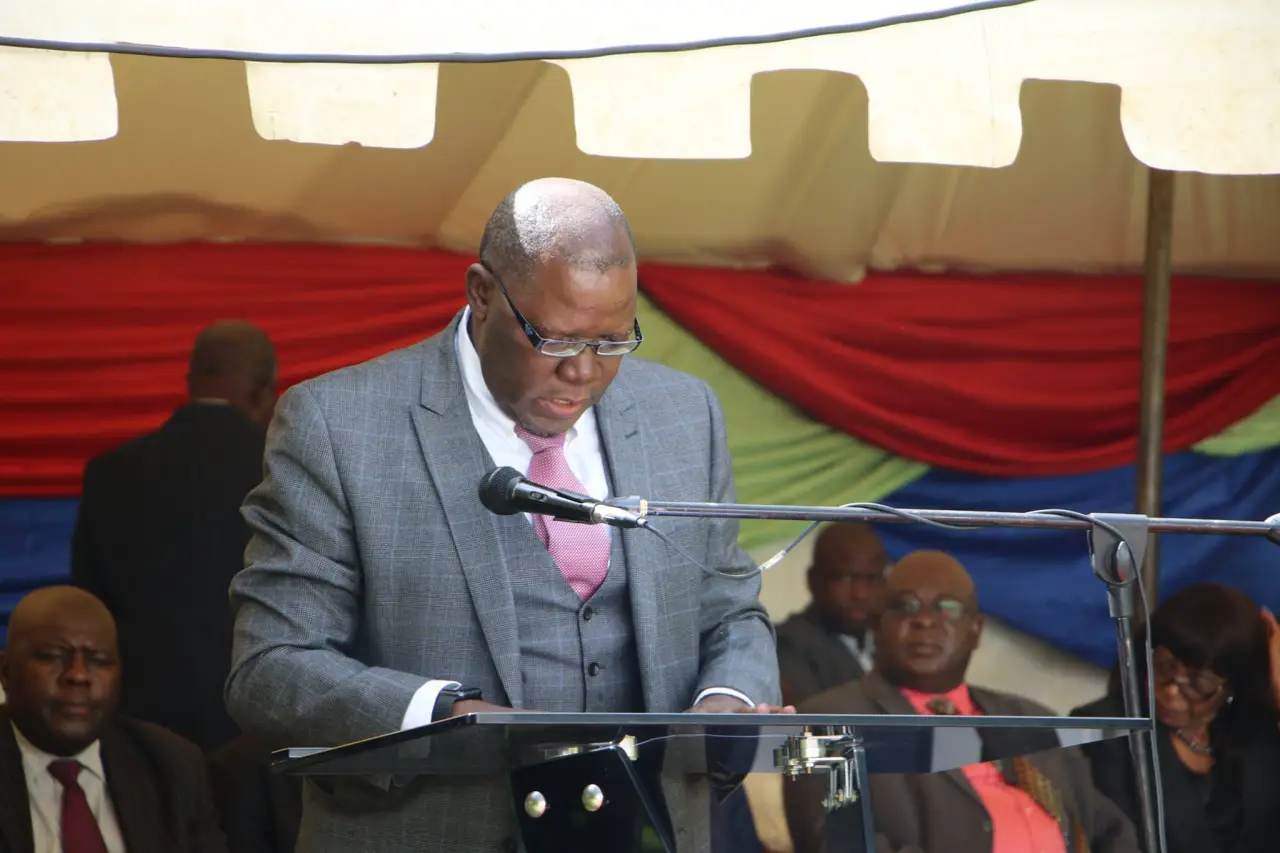
Former Finance Minister Tendai Biti (Picture via Facebook - MDC Alliance)
Armed police raided the offices of a pressure group led by former Finance Minister and opposition figure Tendai Biti late Tuesday night, escalating tensions over controversial constitutional changes that could extend President Emmerson Mnangagwa’s stay in office.
The Constitution Defenders Forum (CDF), which has emerged as one of the most vocal organisations campaigning against Constitutional Amendment Bill No. 3 (CAB3), said armed officers stormed its Harare offices and seized campaign materials including T-shirts and flyers.
The raid came just hours after police arrested the organisation’s Harare director of programmes, Paul Gorekore, following a search of his home in Mbare.
CDF is housed in the same building as Biti Law Chambers, the legal practice of Tendai Biti, who leads the organisation and has been among the most prominent critics of the proposed constitutional amendments.
According to the group, armed police arrived shortly after 11PM in two pick-up trucks and entered the building after confronting a security guard who fled the scene.
The officers then proceeded to the CDF offices, located on a floor above Biti’s law firm, where they allegedly began searching the premises and confiscating materials linked to the organisation’s anti-CAB3 campaign.
CDF said it was compiling a full inventory of the items taken during the operation.
The organisation condemned Gorekore’s arrest and the subsequent office raid, describing the actions as an attempt to intimidate citizens opposed to the constitutional amendments.
“We strongly condemn the arrest and detention of our Harare federation director of programmes following an unlawful entry and search at his house by the ZRP,” CDF said in a statement.
“We view this as an attempt to intimidate citizens and activists exercising their constitutional rights to freedom of expression, association, and peaceful civic participation.”
The group insisted that opposing CAB3 was lawful and protected under the Constitution.
“Advocating against Constitutional Amendment Bill (No. 3) is not a crime. We remain vigilant and resolute in defending constitutionalism and the rights of all citizens.”
The developments come as opposition to CAB3 intensifies ahead of a crucial Senate vote.
The National Assembly passed the Bill on June 18 after 216 MPs voted in favour, comfortably exceeding the 187 votes required for a constitutional amendment.
Among the most controversial provisions are proposals to extend presidential terms from five years to seven years, a move critics say could allow Mnangagwa to remain in office until 2030.
Supporters of the legislation argue that the changes will enhance political stability, improve accountability and reduce the costs associated with elections.
Opponents, however, contend that the amendments amount to a power grab designed to prolong Mnangagwa’s rule beyond the limits originally envisaged by the Constitution.
The Bill is currently before the Senate, where it is expected to secure the additional support needed to advance further through the legislative process.
With civil society groups, opposition politicians and some liberation war veterans increasingly mobilising against the proposal, Tuesday night’s raid is likely to heighten concerns among government critics about growing pressure on organisations leading resistance to CAB3.
The former Zambian president Edgar Chagwa Lungu giving a speech at the opening ceremony of the Michael Chilufya Sata Hospital in Mpika, Zambia — Photo by Wirestock Creators via DepositPhotos.com)
The family of former Zambian president Edgar Lungu has won a decisive court battle over his final resting place after South Africa’s Supreme Court of Appeal ruled that he should be buried in South Africa rather than repatriated to Zambia.
The judgment overturns an earlier High Court ruling that had authorised the Zambian government to take possession of Lungu’s remains and organise a state funeral in his homeland.
Tuesday’s decision brings to an end a prolonged and highly public dispute that unfolded after Lungu’s death and exposed the deep political tensions between his family and the administration of his successor, Hakainde Hichilema.
While the Zambian government expressed disappointment with the outcome, it said it would accept the ruling and would not pursue any further legal action.
Authorities had argued that, as a former head of state, Lungu deserved to be buried in Zambia with full state honours alongside other former presidents at the designated presidential burial site in the capital, Lusaka.
However, his family insisted that his final wishes should be respected and sought a private burial in South Africa after negotiations over funeral arrangements collapsed.
In the judgment, Justice Raylene May Keightley noted that what should have been a process of mourning and closure had instead become a bitter legal confrontation.
“The very ritual intended to bring closure has, instead, pitted family against the state in a hard-fought legal dispute far from the protagonists’ home,” she said.
The dispute intensified last year when the High Court in Pretoria ruled in favour of the Zambian government, allowing the repatriation of the former president’s body.
The decision left members of Lungu’s family visibly distressed, and they immediately lodged an appeal.
In April, confusion deepened when the Zambian government announced that the remains had been formally transferred to the state following a court order.
However, only hours later, another South African court ordered that the body be returned pending the outcome of the appeal proceedings.
Lungu died at the age of 68 at a medical facility in Pretoria after suffering from an undisclosed illness.
His death triggered political controversy in Zambia, with conflicting announcements from the government and the opposition Patriotic Front regarding mourning arrangements.
At one stage, rival mourning programmes were announced and separate condolence books were opened.
Lungu served as Zambia’s president from 2015 until 2021, when he was defeated by Hichilema after years of intense political rivalry.
Relations between the two men remained strained even after Lungu left office.
Following his death, family members revealed that the former president had expressed a desire for Hichilema not to attend his funeral or be involved in arrangements surrounding his burial.
In its ruling, the appeal court said the evidence suggested Lungu felt alienated in his own country and feared he would not receive a dignified farewell if his political rival was present.
The judges noted that Lungu appeared to regard himself as “persona non grata” in Zambia and believed his wishes would not be respected.
The ruling finally ends one of the most extraordinary posthumous legal battles involving a former African head of state and clears the way for Lungu’s burial in South Africa.
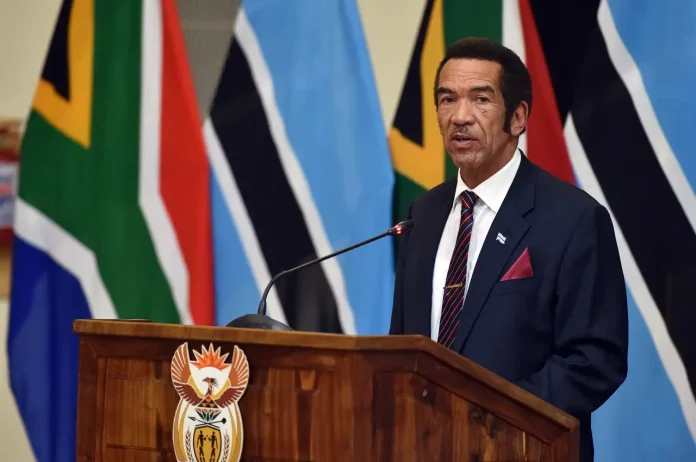
Then President of Botswana Seretse Khama Ian Khama addresses the 3rd SA - Botswana Bi-National Commission (BNC) at the Sefako Makgatho Presidential Guest House in Pretoria. (Photo: GCIS)
The Zimbabwean government has sharply criticised former Botswana president Ian Khama after he accused President Emmerson Mnangagwa of pursuing constitutional changes to prolong his stay in office.
Khama made the remarks on social media while commenting on Constitutional Amendment Bill No. 3 (CAB3), which recently cleared a major hurdle in Zimbabwe’s National Assembly.
The former Botswana leader argued that Zimbabwe had seen little meaningful change since the era of former Rhodesian prime minister Ian Smith.
“The only thing that has changed is the name of the country and the names of its leaders,” Khama wrote. “Oppressors come in all colours.”
His comments drew a swift response from government spokesperson Ndavaningi Mangwana, who dismissed Khama’s criticism.
“Who really cares about the opinions of some washed up has-been seeking relevancy as a remedy to self-inflicted loneliness?” Mangwana said.
Khama, who served as Botswana’s president from 2008 to 2018, has frequently criticised Zimbabwe’s leadership over governance, democracy and human rights issues.
In his latest comments, he accused Mnangagwa of attempting to remain in power through constitutional amendments.
“Here we go again. Another power hungry president has the constitution amended through rigging and cash inducements to extend his term of office,” Khama wrote.
He argued that Zimbabwe was joining a growing list of African countries where leaders have sought to remain in office for extended periods through constitutional changes.
Khama cited several long-serving African leaders, including Paul Biya, Yoweri Museveni and Paul Kagame.
He also alleged that political repression remained a feature of governance in some African countries, drawing comparisons with developments in Zimbabwe.
The criticism comes as Zimbabwe’s Parliament advances CAB3, one of the most controversial constitutional reform proposals in recent years.
Last week, the National Assembly approved the Bill by 216 votes to 42, comfortably surpassing the two-thirds majority required to amend the Constitution.
The legislation proposes extending presidential terms from five years to seven years and would allow Mnangagwa, who is currently expected to leave office at the end of his second term, to remain president until 2030 if the amendment is ultimately enacted.
Mnangagwa came to power following the military-assisted transition that removed former president Robert Mugabe from office in November 2017.
Supporters of the constitutional changes argue that longer terms would provide political stability, reduce the frequency and cost of elections and allow governments more time to implement development programmes.
Opponents, however, argue that the proposals undermine constitutional safeguards and should be subjected to a national referendum rather than being decided solely through Parliament.
The Bill also contains provisions that would replace direct presidential elections with a parliamentary voting system for selecting future presidents.
CAB3 now moves to the Senate, where it must secure another two-thirds majority before proceeding further in the constitutional amendment process.
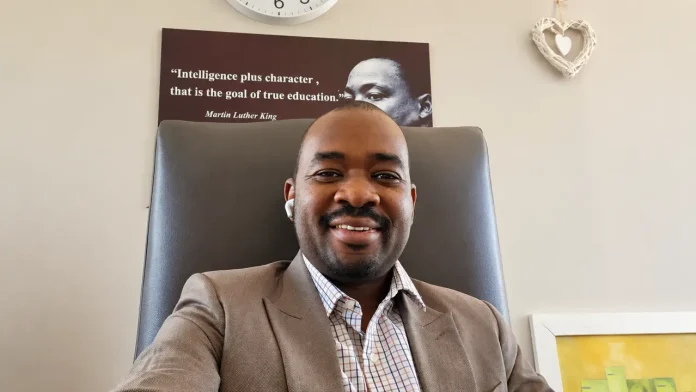
Former Citizens Coalition for Change (CCC) president Nelson Chamisa (Picture via Facebook - Nelson Chamisa)
Former opposition leader Nelson Chamisa has dismissed claims that Constitutional Amendment Bill No. 3 (CAB3) is a settled matter, insisting that any changes to the country’s governance require citizens’ consent and participation, although he has not outlined any specific plan to prevent the proposed amendment from progressing.
In a statement posted on his social media platforms, Chamisa said those claiming CAB3 was a “done deal” were either misleading the public or ignoring the role of citizens in determining the country’s future.
“The citizens are the ultimate decision-makers; they alone have the authority to endorse, reject, or seal any deal,” Chamisa said.
He argued that there was currently no legitimate agreement in place, saying any arrangement made without citizens’ consent remained incomplete.
Chamisa’s remarks come after 35 opposition Members of Parliament voted alongside the ruling party, Emmerson Mnangagwa’s Zanu-PF, to help CAB3 clear its first major legislative hurdle in the National Assembly last Thursday.
The Bill, which seeks to extend the tenure of the President and legislators by two years, was approved by 216 MPs, while 42 voted against it.
The result exceeded the two-thirds majority threshold of 187 votes required for a constitutional amendment to pass in the 280-seat National Assembly.
Parliamentary figures showed that Zanu-PF did not have sufficient numbers on its own to attain the required margin, with support from opposition MPs proving crucial to the Bill’s passage.
Following the vote, Speaker of the National Assembly Jacob Mudenda declared the Bill passed and announced that it would be transmitted to the Senate for further consideration.
CAB3 will now be considered by the Senate, where it must secure another two-thirds majority before advancing further in the constitutional amendment process.
The proposed amendment has attracted criticism from sections of the opposition and civil society, who argue that extending a presidential term should be subjected to a national referendum to allow citizens to decide on the matter.
Despite remaining a prominent opposition figure in Zimbabwe, Chamisa has faced criticism from some quarters for not outlining a clear strategy to halt CAB3.
Observers also point to his leaked audio recording in which he criticized Jameson Timba, Tendai Biti and other former allies for organising opposition to the Bill without his approval, arguing that the remarks undermined efforts to build a united front against the proposed constitutional changes.
In the audio recording, Chamisa is heard asking, “Who gave you the mandate?” in reference to Timba and other opposition leaders.
In November 2025 he sparked controversy after declaring on X that “there is no constitution to protect or defend” and that “we must instead defend and protect our country.”
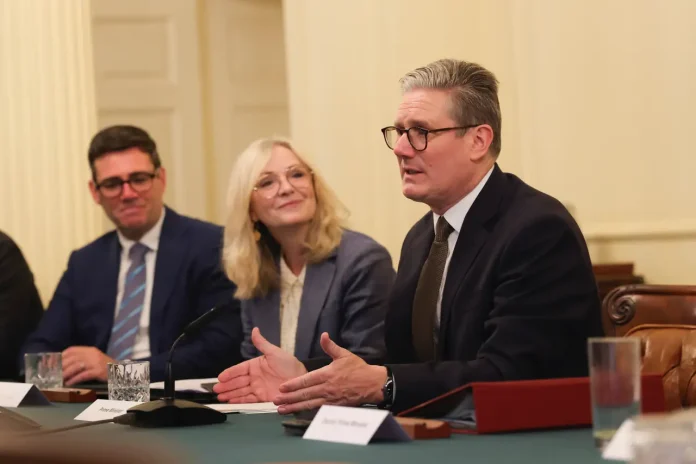
London, United Kingdom. Prime Minister Keir Starmer hosts Metro Mayors including Andy Burnham (Manchester) from across the United Kingdom in 10 Downing Street, 9 July 2024. (Picture by Simon Dawson / No 10 Downing Street, OGL 3 , via Wikimedia Commons)
Andy Burnham has formally entered the race to succeed Prime Minister Keir Starmer after the Labour leader announced his resignation in an emotional address outside Downing Street.
Burnham, who was sworn in as the new MP for Makerfield just hours after Starmer’s announcement, confirmed he would seek the Labour leadership, setting the stage for a potentially swift transition at the top of government.
However, the contest may already be tilting heavily in Burnham’s favour after former Health Secretary Wes Streeting abandoned plans to stand and instead pledged his full support to the former Greater Manchester mayor.
Streeting said Burnham had demonstrated his ability to reconnect with voters, pointing to Labour’s success in Makerfield after the party suffered setbacks in local elections earlier this year.
“If Labour changes, we can still win,” Streeting said. “I think Andy is the person to lead us to do that.”
He dismissed suggestions that his endorsement had been secured in exchange for a future government role, insisting discussions with Burnham had focused on ideas rather than positions.
Starmer announced earlier that he would remain prime minister until a successor is chosen, a process he said should be completed by the time Parliament returns in September. He added that the timetable could be accelerated if Labour unites behind a single candidate.
In an emotional farewell statement, Starmer thanked his wife and family and said he wanted to focus on being “the best dad” he could be to his children.
The political upheaval immediately triggered calls from opposition parties for a fresh general election.
Nigel Farage argued that the country should be allowed to choose its next prime minister directly rather than having a new leader selected internally by Labour.
Describing developments in Westminster as “Italian-style farce politics”, Farage said the next prime minister would not have received a direct mandate from voters.
Conservative leader Kemi Badenoch also criticised the uncertainty created by the leadership transition, warning that important decisions facing the country could not be delayed.
She said national security must remain the government’s top priority regardless of who ultimately succeeds Starmer.
Meanwhile, Wales’ First Minister Rhun ap Iorwerth wished Starmer well but called on the incoming Labour leader to establish a stronger relationship with devolved governments.
He expressed frustration over what he described as a lack of engagement between Westminster and Cardiff and said Wales needed greater respect, fairer funding and more powers.
Labour figures in Wales offered a more positive assessment of Starmer’s tenure, with interim Welsh Labour leader Ken Skates crediting him with rebuilding the party and delivering a historic election victory.
As Burnham arrived in London, he reiterated his admiration for Starmer’s leadership while confirming his intention to seek the top job.
He described leaving Greater Manchester as an emotional moment and said he hoped he was leaving the region in a stronger position than when he took office.
International reaction also followed Starmer’s resignation.
Volodymyr Zelenskyy thanked the outgoing prime minister for his support during Ukraine’s war with Russia, praising the cooperation between the two countries.
In Moscow, Kremlin spokesman Dmitry Peskov suggested that Britain’s approach to Russia was unlikely to change significantly regardless of who becomes Labour leader.
With Burnham now emerging as the overwhelming favourite and major Labour figures rallying behind him, attention is turning to whether any serious challenger will enter the race or whether Labour will quickly unite around a single candidate.
Zimbabwean author Sue Nyathi whose book is behind the Netflix hit series The Polygamist (Picture via Facebook - Stainedglasstv Productions)
On a crisp evening in mid-June 2026, the global entertainment landscape witnessed an unprecedented cultural shift.
Millions of viewers across the globe sat glued to their screens as a 22-episode supernovela titled The Polygamist broke its way into Netflix’s global non-English Top 10 chart, racking up an astonishing 19.1 million viewing hours in its debut week.
The slick, high-stakes drama, filled with corporate espionage, devastating betrayals, and deep societal secrets, felt like a glamorous television revolution. Yet, its true origin lay far from Hollywood or Johannesburg’s production hubs.
It began 14 years earlier in Bulawayo, Zimbabwe, penned by a young investment analyst typing away in the quiet hours of the night.
South African actor S’dumo Mtshali has cautioned men against celebrating or emulating Jonasi Gomora, the wealthy and charismatic central character he portrays in Netflix’s hit adaptation of Sue Nyathi’s bestselling novel, The Polygamist. (Picture via Netflix – Stained Glass TV Productions)
For Sukoluhle “Sue” Nyathi, whose first name translates to “a beautiful night” in Northern Ndebele, this global breakthrough is the culmination of an extraordinary literary journey.
It is a story of defiant creativity, a 12-year odyssey from a self-published manuscript rejected by traditional publishers to the heights of international streaming success.
Today, Nyathi stands as one of Southern Africa’s most formidable literary voices, an author who successfully traded the rigid precision of balance sheets for the fluid, messy, and urgent truths of contemporary African society.
The Bulawayo Roots and the Balance Sheet
Born and raised in Zimbabwe’s second-largest city, Bulawayo, Nyathi grew up in an environment where education was deeply prized, but creative writing was rarely viewed as a viable profession. Her early life was defined by an insatiable appetite for the written word.
She read everything she could get her hands on, developing an early fascination with how stories are structured.
”I began writing at the age of 20,” Nyathi recalls, reflecting on the initial spark of her creative ambition. “But like many young Africans, I had to navigate intense family career expectations. Writing was seen as a hobby, not a career.”
Yielding to practical realities, she pursued a highly rigorous academic and corporate path. She enrolled at the National University of Science and Technology (NUST) in Zimbabwe, where she completed a Master of Science degree in Finance and Investment.
Zimbabwean author Sue Nyathi and Gugu Gumede who playes the character Joyce Gomora. Her book is behind the Netflix hit series The Polygamist (Picture via Facebook – Stainedglasstv Productions)
By the time economic instability forced her to migrate to Johannesburg, South Africa in 2008, Nyathi was a highly accomplished economic development consultant and investment analyst.
Yet, the corporate world could not suppress her creative drive. For years, she lived a double life, balancing corporate demands with creative ambitions. By day, she analysed investment portfolios and drafted economic reports.
By night, she became a literary architect, building complex characters and intricate plots.
”I struggled deeply with imposter syndrome in the corporate world,” Nyathi admits. “I knew I was good at finance, but my soul was always tethered to the page. Balancing the two required a relentless discipline. You have to find time when there is none.”
This rigorous dual existence shaped her sharp, analytical approach to storytelling. Her finance background gave her a unique eye for structural detail, power dynamics, and the economic undercurrents that dictate human relationships.
However, by the time she hit her late thirties, the friction between her corporate safety net and her artistic call reached a breaking point. At 40, she made the daring decision to leave finance entirely to become a full-time writer.
”People thought it was a crazy decision,” she notes with a warm smile. “But it was a leap of faith driven by the four Ps that govern my life: Passion, Perseverance, Persistence, and Providence.”
Unveiling the Secret Architecture of Desire
That leap of faith was built on the foundation of her extraordinary 2012 debut novel, The Polygamist. The book’s journey to the screen is a classic masterclass in creative resilience.
When Nyathi finished the manuscript, traditional publishing houses across South Africa and Zimbabwe uniformly rejected it, claiming there was no market for a modern, fast-paced drama about wealthy Zimbabwean polygamy.
Undeterred, Nyathi took a massive financial risk and self-published the book.
The inspiration for the novel came directly from her observations growing up in Zimbabwe. She was fascinated by how polygamous dynamics had evolved across generations.
”This is not the traditional polygamy that I write about,” Nyathi explains, drawing a sharp contrast with the historical, rural setup where multiple co-wives lived openly under one homestead. “Modern polygamy has changed. It is often underground, concealed in secret apartments, hidden behind secondary bank accounts, and disguised as long business trips.”
The Polygamist offers a vivid, gripping look into this hidden world. The narrative revolves around Jonasi Gomora, a wealthy, charismatic, and powerful businessman who operates as the ultimate patriarch.
Jonasi believes he can seamlessly manage his life, his empire, and the women around him through sheer financial power and emotional manipulation.
The true heart of the novel lies in the distinct, fiercely drawn women who circle Jonasi’s orbit, each representing a different facet of survival, ambition, and female identity in contemporary Africa.
Joyce is the elegant, pristine first wife and a social media darling who has spent decades building the perfect image of marital bliss and upper-class respectability. She acts as the anchor of the family front, sacrificing her own peace to protect the institution of her marriage.
In sharp contrast stands Matipa, an ambitious, highly educated corporate executive. She does not enter a relationship with Jonasi out of desperation; rather, she approaches him as an equal power player, viewing their connection through the lens of ambition, status, and mutual advancement.
Finally, there is Essie, the quiet, deeply grounded first love from Jonasi’s humble past. She represents decades of hidden sacrifice and holds the profound emotional history that Jonasi has worked tirelessly to bury beneath his new money.
When Jonasi’s web of deception begins to unravel, these women are forced to confront one another and their own choices.
The novel dives deep into the themes of patriarchy, infidelity, and gender relations, exploring how financial power is used to control women, and how those same women find agency, sisterhood, and survival within a deeply unequal system.
It was this brilliant examination of modern relationships that caused the book to explode across Southern Africa via word-of-mouth. Readers recognised the characters because they were talking about their own uncles, husbands, neighbours, and bosses.
From Print to Pixels: The Netflix Transformation
The road from self-published word-of-mouth hit to global television phenomenon took 14 years, a journey that required remarkable patience.
In 2026, Netflix released the 22-episode adaptation, reimagining the original Zimbabwean setting within the ultra-wealthy, fast-paced corporate playground of Johannesburg, South Africa.
Produced by Stained Glass TV Productions, the powerhouse team behind iconic South African hits like Uzalo and The Wife, and directed by the acclaimed filmmaker Akin Omotoso, the series was designed as a premium supernovela.
Rather than a slow-burning drama, the show opens with a shocking hook, which is the sudden death of Jonasi Gomora. From there, the 22 episodes peel back the layers of his life, showing how his hidden double lives led to his spectacular downfall.
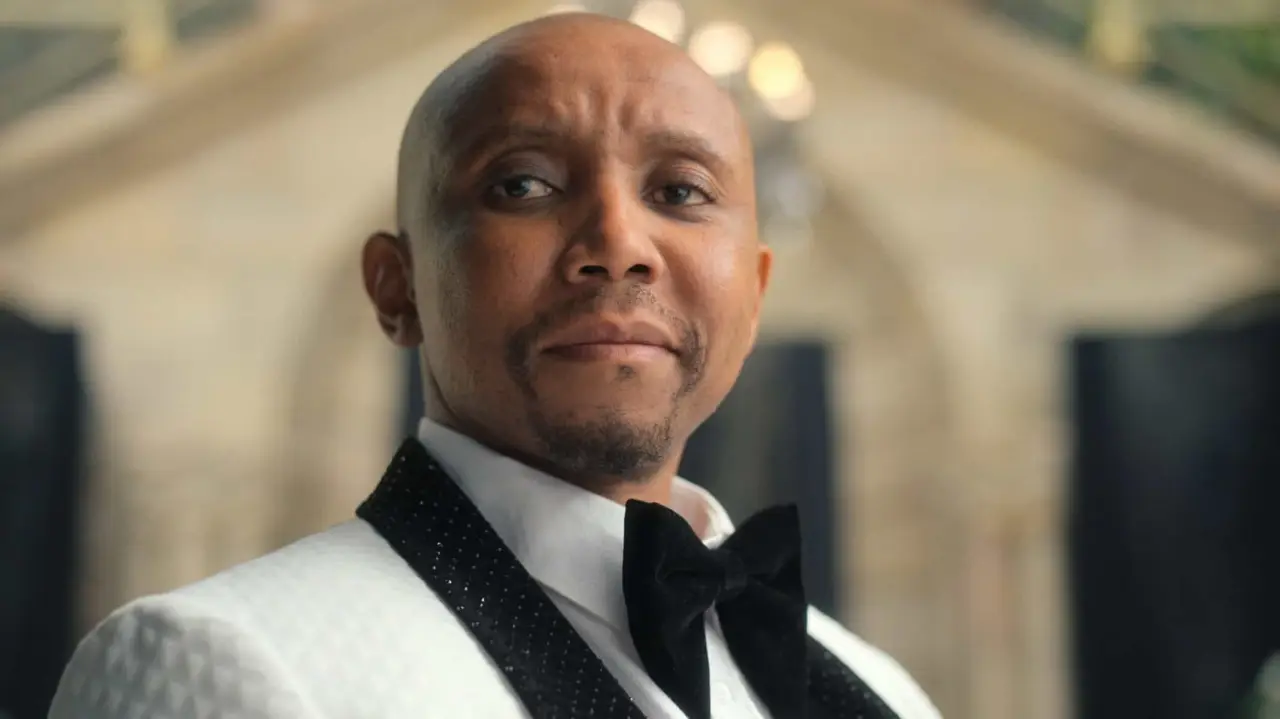
The cast features some of South Africa’s finest screen talent. S’dumo Mtshali delivers a brilliant, multi-layered performance as the morally ambiguous Jonasi Gomora, sparking intense debates across social media about whether Jonasi was a masterful puppet master or a deeply damaged man undone by his own greed.
Gugu Gumede delivers a career-defining performance as Joyce, capturing her descent from a composed social media darling into an emotional meltdown, and her eventual survival. Kwanele Mthethwa shines as the ambitious Matipa, while veteran actor Kenneth Nkosi brings crucial depth as Magesh Gomora.
For Nyathi, who actively worked on the adaptation and has previous screenwriting credits on South African television dramas like Matatiele and Bone of My Bones, seeing her characters brought to life on this scale was deeply emotional.
She shares that seeing the teaser for the first time gave her absolute goosebumps, noting that to see characters that lived in her head for over a decade suddenly walking, talking, and making decisions on a global screen was the absolute pinnacle of her career.
The adaptation’s massive success has had unexpected real-world cultural impacts as well. The Gauteng Department of Health even used the series’ plotlines to launch public health campaigns about the real-life risks of hidden multiple partners and STIs, proving that Nyathi’s fiction strikes an incredibly accurate chord with modern realities.
A Cartography of Modern African Realities
While The Polygamist has captured the global spotlight, it represents just one chapter in Nyathi’s extensive, deeply researched body of work. Across her five novels and major collaborative projects, she has built a reputation as an exceptional chronicler of the modern African experience, consistently addressing themes of identity, economic migration, and social pressure.
In her critically acclaimed second novel, The Gold Diggers, which was published in 2018 and longlisted for the prestigious Dublin Literary Award, Nyathi turned her analytical eye toward the Zimbabwean migration crisis.
The novel follows a group of Zimbabweans who illegally cross the Limpopo River into South Africa in 2008, fleeing economic collapse in search of the elusive Johannesburg gold. It provides a heartbreaking, visceral look at the human cost of political instability and economic desperation.
Her third book, A Family Affair, published in 2020, explores the intricate web of secrets, expectations, and unspoken traumas that bind a wealthy family together, showing how the desire to maintain appearances can destroy individual lives.
She followed this with the award-winning An Angel’s Demise in 2022, a sweeping, emotionally charged epic that explores a woman’s journey through political awakening and personal tragedy against the backdrop of Zimbabwe’s turbulent history.
In 2025, she continued her hot streak with her fifth novel, Rubies and Rain, a beautiful exploration of love, resilience, and class divisions.
Nyathi’s work extends into non-fiction and cultural commentary as well. She contributed to the landmark anthology Black Tax: Burden or Ubuntu, exploring the complex financial obligations middle-class Africans owe to their extended families.
She also co-edited Hair: Weaving & Unpicking Stories of Identity, using the politics of Black hair to unpack deeper questions of race, gender, and self-worth, and championed women’s voices in the powerful anthology When Secrets Become Stories.
Inside the Writer’s Lab and Literary Influences
Peeking behind the curtain of her creative process reveals the true depth of Nyathi’s discipline and background. It took exactly 14 years for The Polygamist to go from its initial 2012 book publication to its 2026 Netflix premiere.
During her intense corporate finance days, Nyathi maintained a grueling schedule, writing almost exclusively between 10:00 PM and 2:00 AM after her young son went to sleep.
Outside of literature, she remains a highly respected consultant on economic development and investment trends across the African continent.
When reflecting on the authors who shaped her voice, she frequently cites African literary giants like Tsitsi Dangarembga, Chimamanda Ngozi Adichie, and Sindiwe Magona as some of her foundational creative influences.
The New Dawn of Zimbabwean Storytelling
The historic success of The Polygamist on Netflix represents far more than a personal triumph for Sue Nyathi. It signals a vital landmark moment for Zimbabwean literature and continental storytelling.
For decades, Zimbabwean literature was globally recognised through its brilliant, politically heavy diaspora narratives.
Nyathi’s breakthrough proves that contemporary African popular fiction – stories of romance, corporate power, marital drama, and urban life – possesses immense global commercial power.
By transforming a distinct Zimbabwean story into a pan-African Netflix phenomenon that unites viewers from Lagos to London, Nyathi has demonstrated that African experiences are not fragmented by borders.
Her journey from a rejected, self-published author in Bulawayo to an internationally adapted screenwriter is a powerful reminder that our stories are valid, necessary, and universally resonant.
As global audiences eagerly await her future projects, one thing remains absolutely certain: Sue Nyathi has forever rewritten the rules of the African literary success story.
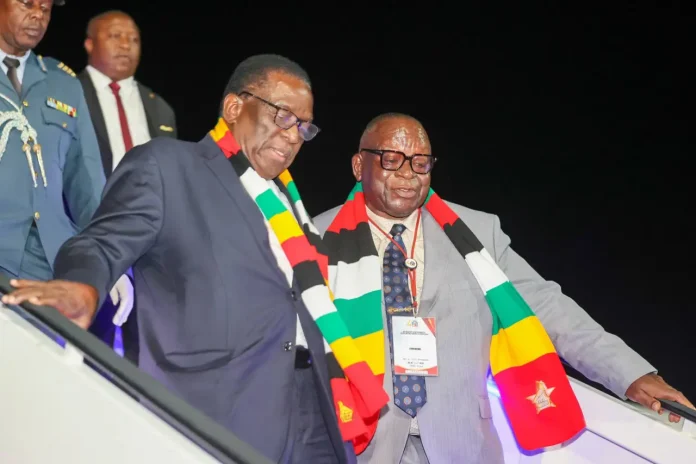
President Emmerson Mnangagwa seen here arriving in Eswatini with Victor Matemadanda, the Zimbabwean Ambassador to Mozambique, 23 April 2026 (Picture via Facebook - Emmerson Dambudzo Mnangagwa)
Zimbabwe’s Ambassador to Mozambique and the Kingdom of Eswatini, Victor Matemadanda, has died.
The news was confirmed on Sunday by Permanent Secretary in the Ministry of Information, Publicity and Broadcasting Services, Nick Mangwana.
Writing on X, Mangwana announced that the veteran politician and diplomat had passed away the previous night.
“Ambassador Victor Matemadanda passed away last night. This is a deeply saddening loss,” Mangwana wrote.
“Dr Matemadanda served as Zimbabwe’s Ambassador to the Republic of Mozambique and the Kingdom of Eswatini. Sincere condolences go to His Excellency the President, whom he represented with dedication, and to his family, friends, colleagues and the nation at large.”
Details surrounding Matemadanda’s death remained limited on Sunday morning.
Political activist Rutendo Matinyarare claimed on social media that the ambassador had travelled home from Mozambique and later fell ill after sharing a meal with his family.
According to Matinyarare, Matemadanda reportedly began suffering from vomiting and diarrhoea before being taken to a medical facility where he later died. The claims have not been independently verified by authorities.
Matinyarare also paid tribute to the late diplomat, describing him as a strong advocate for the welfare of war veterans.
“The Ambassador was uncompromising in his call for the upholding of liberation promises to war veterans. May he rest in peace,” he wrote.
Journalist Hopewell Chin’ono reflected on Matemadanda’s complex political journey, describing him as a figure who at times aligned with popular causes and at other times defended government interests.
“He was a man who lived a colourful and complex life, at times standing with the people, and at other times pursuing the interests of the regime when it suited him,” Chin’ono wrote.
The veteran journalist said one of his most memorable encounters with Matemadanda was an interview conducted more than a decade ago in which the politician spoke passionately about issues affecting ordinary Zimbabweans.
Chin’ono said the interview remained significant because some of the ideals Matemadanda championed at the time were not reflected in later government actions.
Former Norton legislator Temba Mliswa described Matemadanda as one of the key figures behind the political developments that culminated in the establishment of the Second Republic.
Mliswa said the former Zimbabwe National Liberation War Veterans Association leader played a critical role alongside other war veterans during the events surrounding Operation Restore Legacy in 2017.
“The narrative surrounding Restore Legacy cannot be articulated without acknowledging his name,” Mliswa said.
He credited Matemadanda and fellow war veterans with taking significant personal risks at a time of intense political uncertainty, including facing threats of arrest and loss of property.
Mliswa also recalled working closely with Matemadanda during political campaigns and efforts to mobilise support for President Emmerson Mnangagwa.
“The Second Republic did not emerge from the Army or some other external force but rather from the steadfast resolve of the War Veterans,” Mliswa said.
Born into Zimbabwe’s liberation struggle generation, Matemadanda rose to national prominence through the war veterans movement and later became an influential figure within ZANU PF.
In recent years, he served as Zimbabwe’s ambassador to both Mozambique and Eswatini, representing the country in diplomatic and regional affairs.
His death marks the passing of a prominent political figure whose influence extended from the liberation war veterans movement to government and diplomacy.
Further details regarding funeral arrangements and official mourning procedures are expected to be announced by the government and family.
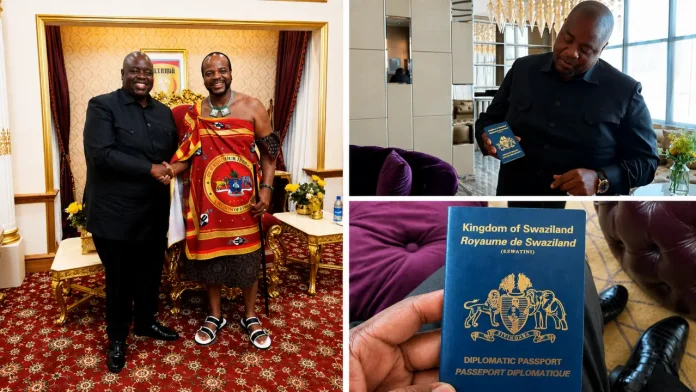
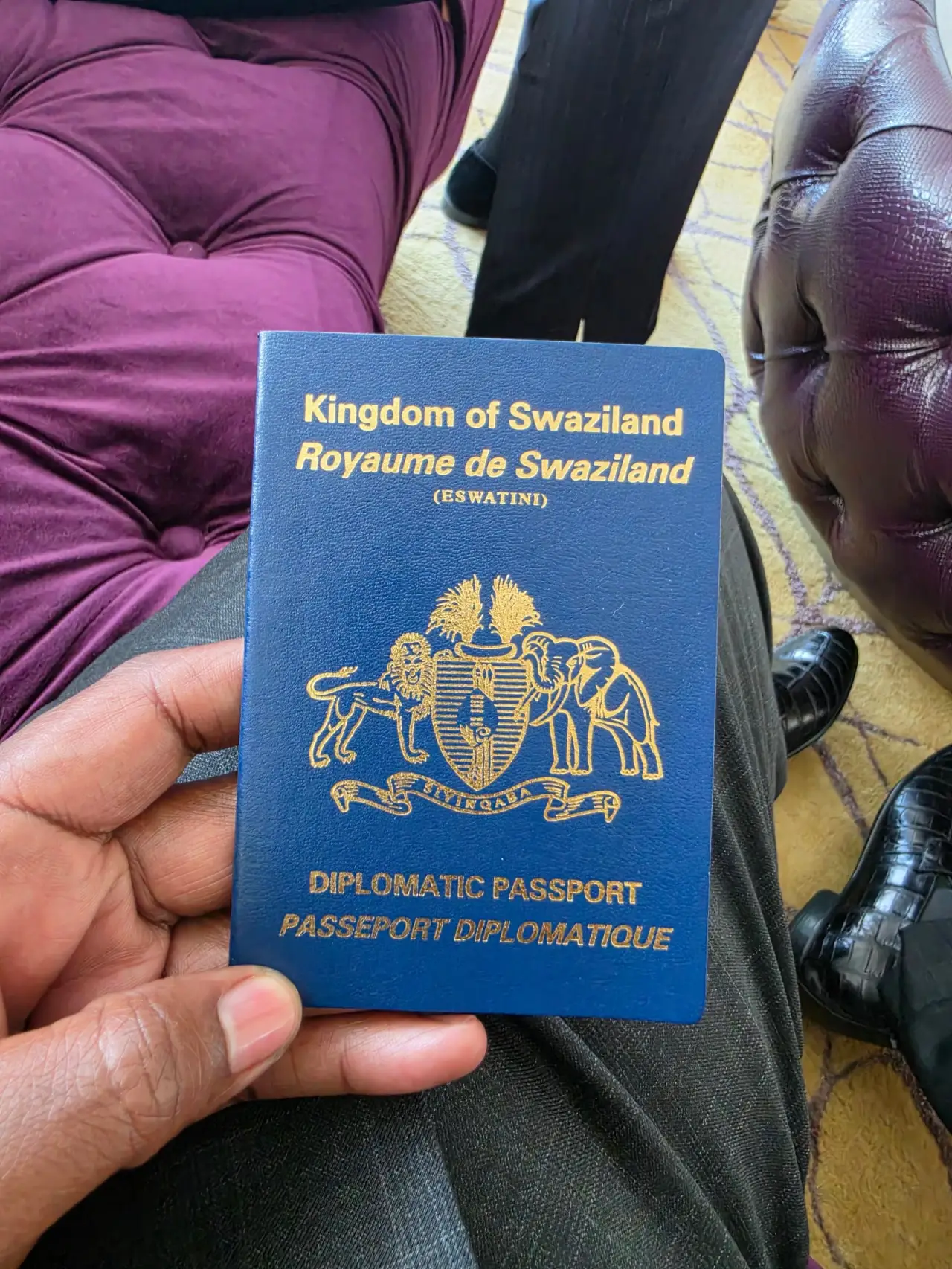
Controversial Zimbabwean businessman Wicknell Chivayo has announced that he has been granted citizenship of Eswatini and issued with a diplomatic passport following a meeting with King Mswati III at the Royal Palace. (Pictures via Facebook - Wicknell Chivayo)
Controversial Zimbabwean businessman Wicknell Chivayo has announced that he has been granted citizenship of Eswatini and issued with a diplomatic passport following a meeting with King Mswati III at the Royal Palace.
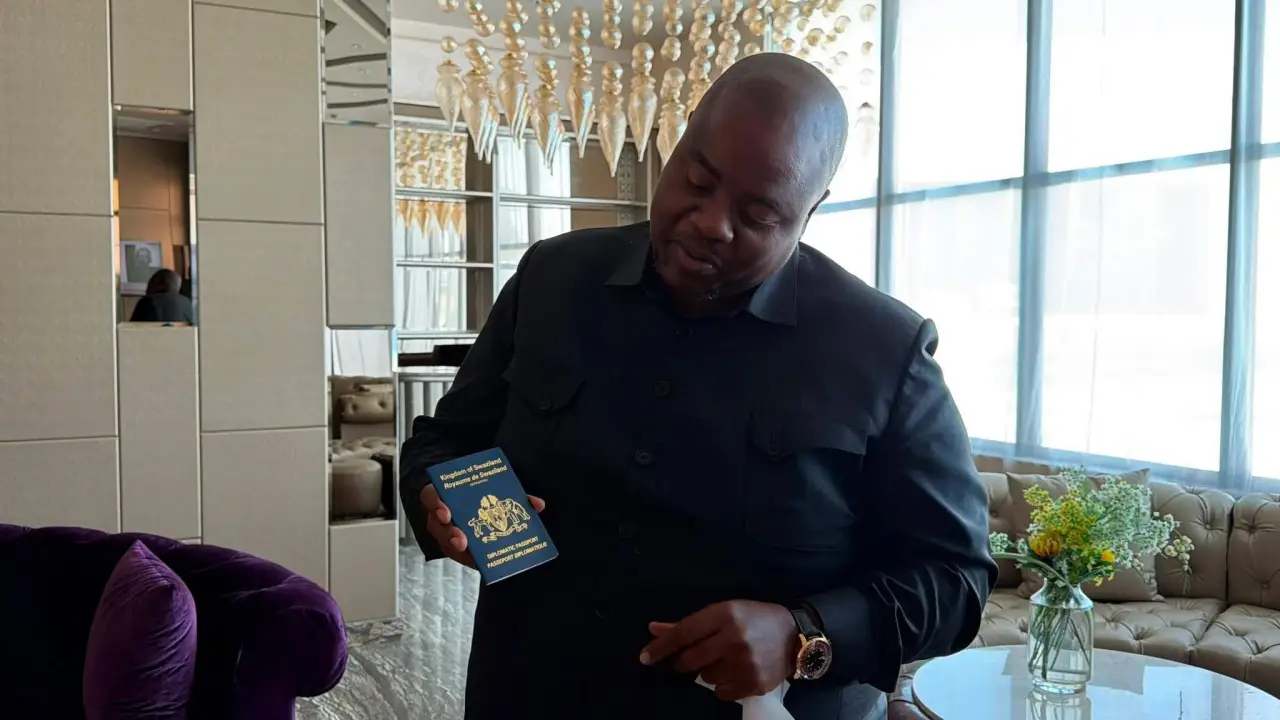
In a lengthy statement posted on his verified Facebook page on Thursday, Chivayo shared photographs showing him holding what he said was an Eswatini diplomatic passport.
Controversial Zimbabwean businessman Wicknell Chivayo has announced that he has been granted citizenship of Eswatini and issued with a diplomatic passport following a meeting with King Mswati III at the Royal Palace. (Pictures via Facebook – Wicknell Chivayo)
According to Chivayo, the development followed what he described as a personal audience with the monarch, during which King Mswati III instructed his administration to grant him citizenship.
“The king accepted me as his young, fellow African son,” Chivayo wrote.
He added that he had also been presented with a diplomatic passport to facilitate travel and business activities within Eswatini.
“Coupled to this, I was further presented with a diplomatic passport, meant to facilitate ease of travel and doing business in Eswatini, in the various pursuits in infrastructure development,” he said.
Controversial Zimbabwean businessman Wicknell Chivayo has announced that he has been granted citizenship of Eswatini and issued with a diplomatic passport following a meeting with King Mswati III at the Royal Palace. (Pictures via Facebook – Wicknell Chivayo)
Chivayo claimed that King Mswati III expressed appreciation for his philanthropic activities in Zimbabwe and elsewhere on the continent, as well as his support for liberation movements and political parties in Southern Africa.
He said the king specifically commended his backing of Zanu PF and President Emmerson Mnangagwa.
According to Chivayo, discussions also focused on potential investment opportunities in Eswatini’s energy and infrastructure sectors.
The businessman said his companies and strategic partners were prepared to mobilise capital and arrange financing for viable development projects in the kingdom.
Drawing a comparison with Zimbabwe, Chivayo described Eswatini as an attractive destination for investment due to what he characterised as a more favourable economic environment and stronger access to international development financing.
Through companies including Intratrek Zimbabwe and IMC Communications, Chivayo has secured government contracts in Zimbabwe valued at close to US$1 billion, largely within the energy sector.
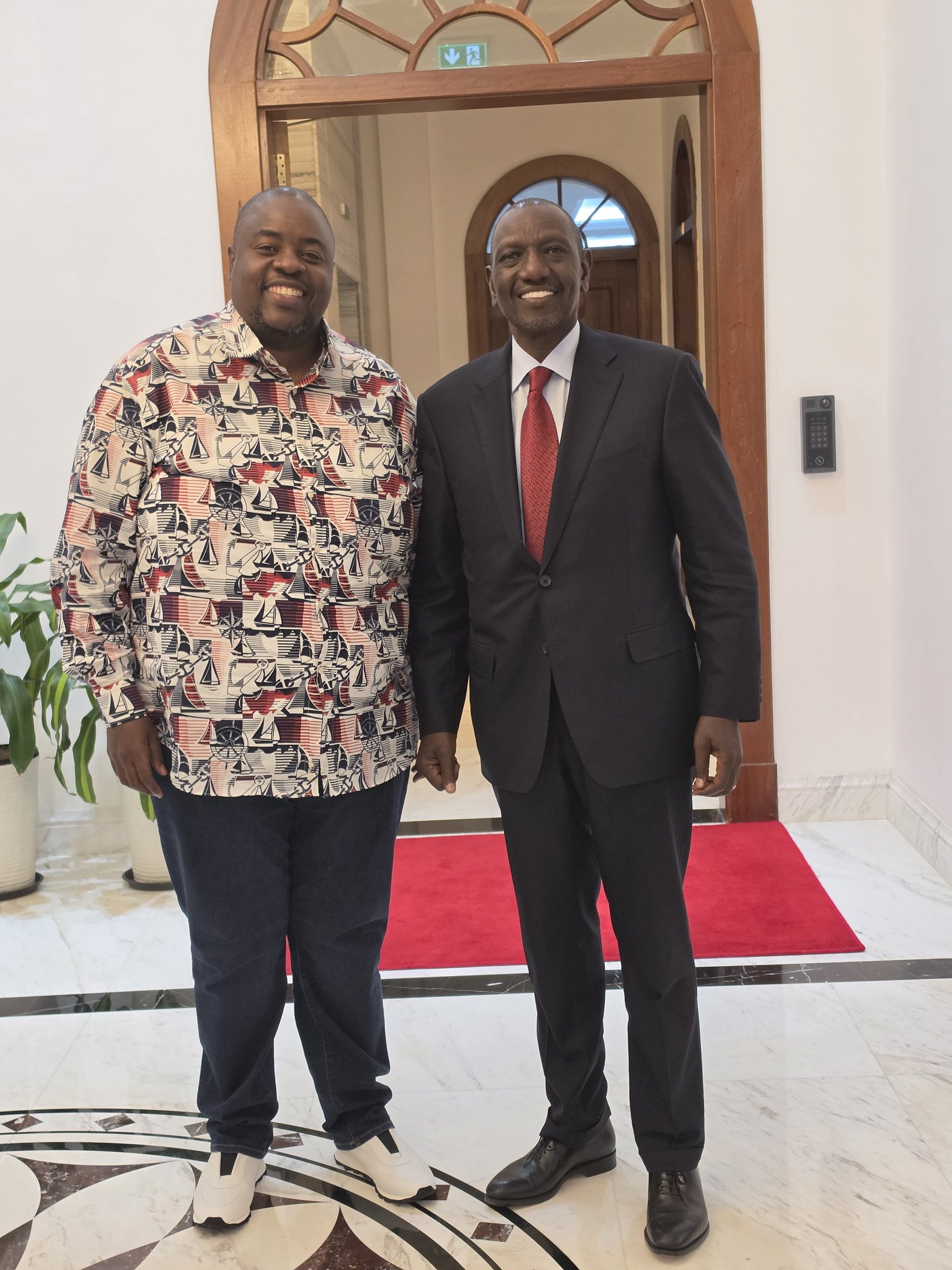
Wicknell Chivayo meets Kenyan President William Ruto at State House in Nairobi on June 15, 2026
The businessman has long been regarded as a close ally and financier of the ruling Zanu PF party. Critics have alleged that his access to lucrative government contracts stems from political connections rather than competitive processes, allegations he has consistently denied.
Wicknell Chivayo shakes hands with Nigerian leader Bola Tinubu in Abuja on October 8, 2025
If confirmed, the move would add King Mswati III to a growing list of African leaders who have publicly engaged with Chivayo in recent years.
Tanzania president Samia Suluhu warmly greeting Wicknell Chivayo in Dar es Salaam on May 27, 2025
The businessman has previously shared photographs and details of meetings with several heads of state across the continent, including William Ruto, Samia Suluhu Hassan, Peter Mutharika, Daniel Chapo, Bola Tinubu and Hakainde Hichilema.
Neither the Eswatini government nor the Royal Palace had publicly commented on Chivayo’s claims at the time of publication.