A set of striking AI‑generated images imagining the future of Nzvimbo Growth Point, Chiweshe, Mashonaland Central, has ignited a wave of debate, excitement and frustration among residents.
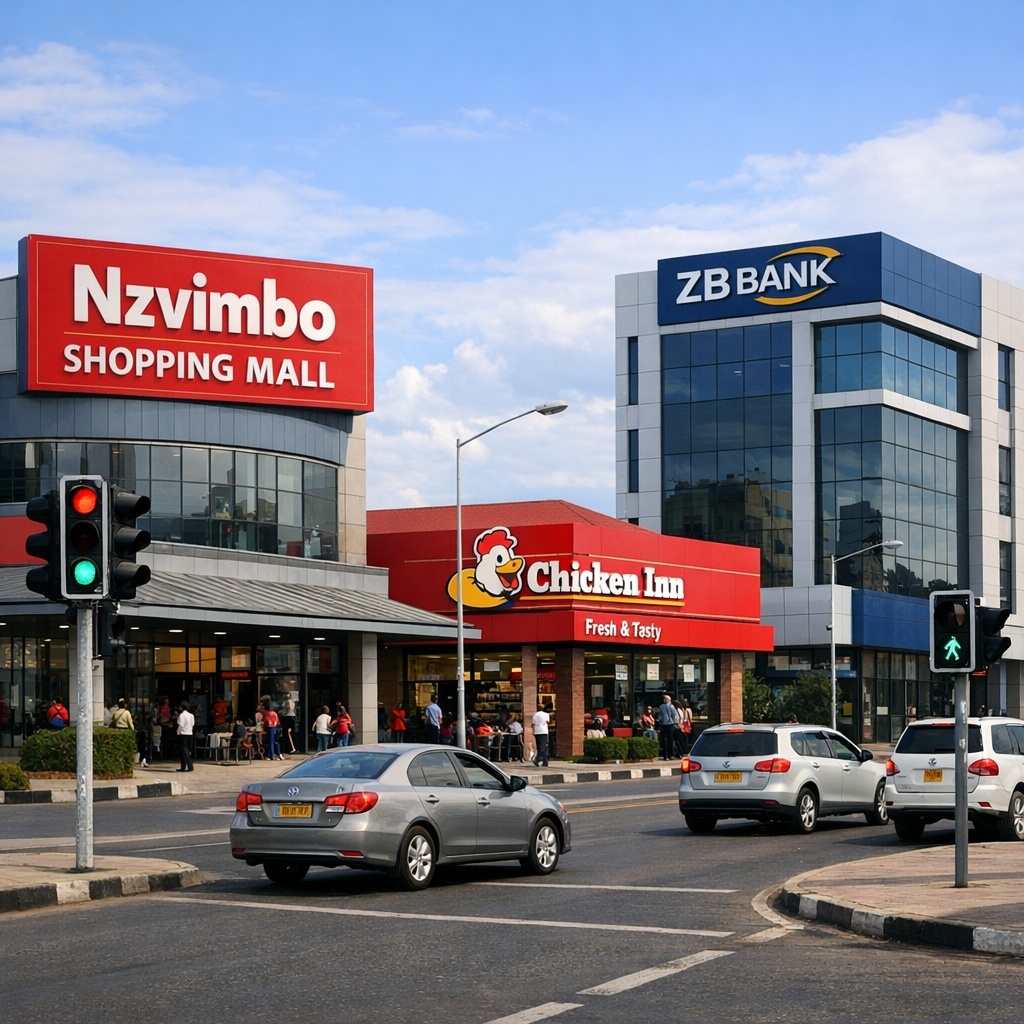
Created by Macdonald Chimbizi, an England‑based journalist and social commentator born in Chiweshe, the designs paint a bold vision of a modernised rural hub complete with a redesigned town centre, a community radio station, Dzimbabwe ultra‑luxury coaches, and a fully‑fledged Gombekombe Hiking Centre positioned to drive regional tourism and help decongest Harare.

Chimbizi said he created the visuals to provoke imagination and dialogue:
“By creating the AI images I wanted to whet the appetite of readers, politicians and help them envision what the future could look like.”

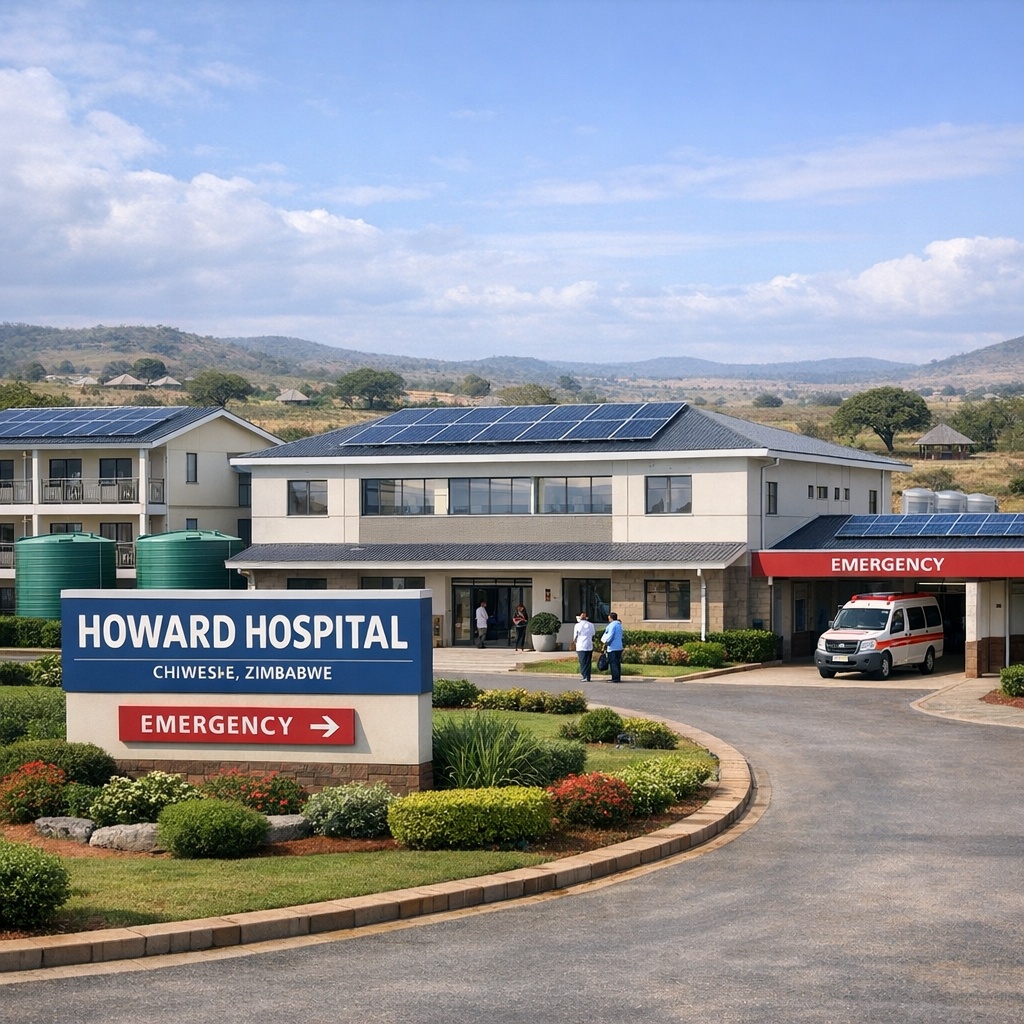
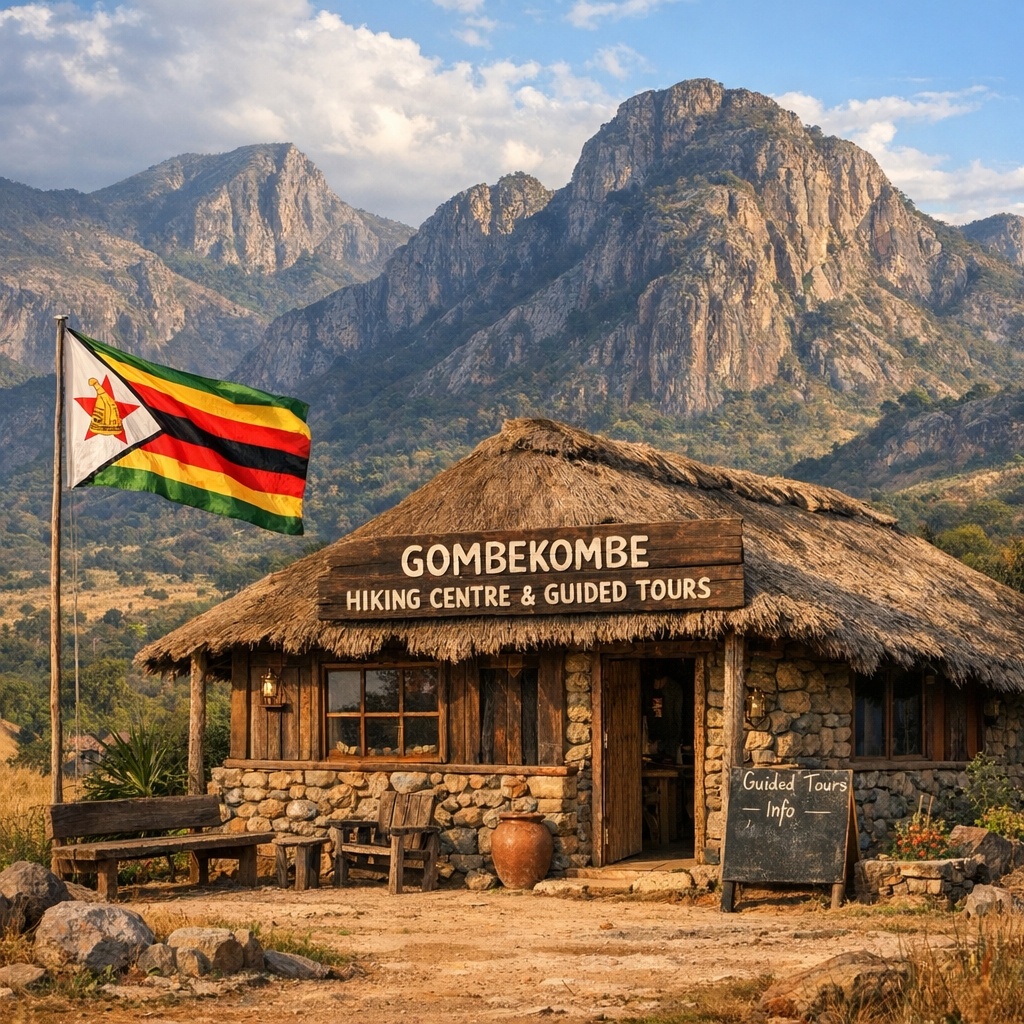
The images, shared on the popular Facebook group Isu vekuChiweshe with over 22,000 members, quickly went viral. Reactions ranged from hopeful to humorous.
“This is possible if we stop corruption,” commented Cuthbert Mubaira, echoing the frustrations of many.
“This is good imagination… Everything we see today was once an imagination,” added Lloyd Chiromo.
“Very possible with good and responsible leadership,” wrote Ashley Mapfumo, pointing to Mashonaland Central’s untapped natural resources.
Others were more sceptical, with Kelly Gauzan jesting, “AI — if wishes were horses beggars might ride.”
Most readers bemoaned the slow pace of progress, noting that the futuristic mock‑ups sharply contrasted with the reality in Nzvimbo, which has seen minimal development since the early 1980s.
A Vision Born From a Forgotten Policy
The debate has reopened scrutiny of Zimbabwe’s Growth Point strategy, introduced at Independence in 1980.


Designed to stimulate rural transformation, Growth Points were meant to decentralise industry, curb rural‑to‑urban migration, and turn small settlements into thriving economic centres.
More than four decades later, many Growth Points — including Nzvimbo — have not fulfilled that promise.
Chiweshe Confronts its Reality
Across Chiweshe, residents say development has remained stagnant. Even The Salvation Army‑owned Howard Hospital, once a flagship institution, is now a shadow of its former self, struggling to serve a population in need of modern facilities.
Older residents recall that Nzvimbo Growth Point once boasted an aerodrome at Independence — a piece of infrastructure that could have evolved into a regional airport.


Instead, it slipped into disuse, reduced to a cattle grazing field before eventually being turned into a residential area.
Local observers note that Chiweshe has the road networks capable of supporting development, and sits on gold deposits that, if responsibly managed, could uplift local communities. Despite these advantages, economic progress has remained elusive.
Adding to the sense of disappointment is the contrast between the area’s underdevelopment and the prominence of individuals linked to it.
Chiweshe has produced national figures such as the late Chen Chimutengwende, the late Vice President Joseph Msika, and business stalwarts Tafadzwa Msarara and the late Peter Pamire.
Yet, residents note that the region’s development has not kept pace with the stature of its notable sons.
Digital Visions, Real‑World Questions
For many, Chimbizi’s AI mock‑ups have done more than entertain — they have reopened difficult conversations about leadership, accountability, resource management and the unrealised potential of rural Mashonaland Central.
Whether these vivid digital visions will inspire genuine transformation remains to be seen. But one thing is clear: Nzvimbo Growth Point’s future — long overshadowed by decades of stagnation — is back in the public eye, and the community is demanding answers.
Discover more from Nehanda Radio
Subscribe to get the latest posts sent to your email.