Movements are seldom announced with fanfare in the opaque world of Zimbabwean military intelligence, and even more rarely do they involve the spouse of the sitting Vice President.
Yet, the recent removal of Colonel Miniyothabo “Minnie” Baloyi from the heart of the military intelligence department and her subsequent reassignment to the Zimbabwe National Army Commander’s Pool is a development that demands examination.
To the casual observer, this may appear to be a routine administrative rotation within the barracks.
However, for those who have spent decades charting the jagged terrain of Zimbabwe’s internal power dynamics, it represents a decisive strike in the long-running cold war between President Emmerson Mnangagwa and his ambitious deputy, Constantino Chiwenga.
The Commander’s Pool is a term that carries a specific, almost funereal weight within the Zimbabwean security sector. It is not a place for rising stars or strategic thinkers; rather, it is a holding pen for the influential who have become inconvenient.
Historically, it has served as a gilded purgatory where high ranking officers are stripped of their operational command and left to wither in professional obscurity.
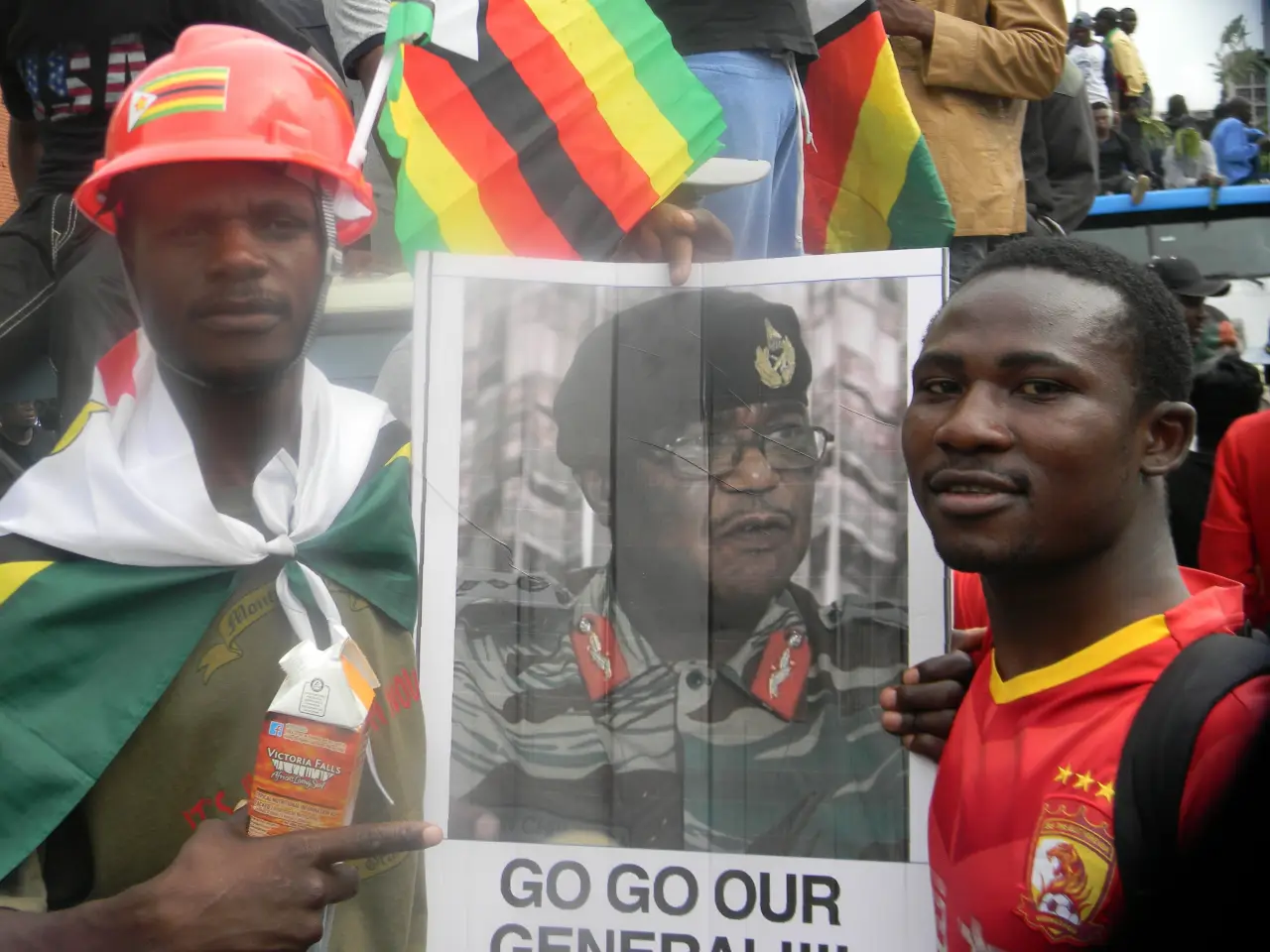
By placing Baloyi there, Mnangagwa has not merely moved a soldier. He has successfully amputated a vital limb of the vice president’s situational awareness within the intelligence community.
To understand the gravity of this shift, one must return to the rainy November of 2017.
The military intervention that toppled Robert Mugabe was not a selfless act of democratic restoration but a sophisticated palace coup led by Constantino Chiwenga, then the Commander of the Defence Forces. Mnangagwa was the beneficiary of that steel, but he was also its hostage.
The uneasy partnership that followed was born of necessity rather than affinity. Chiwenga represented the raw power of the gun, while Mnangagwa represented the civilian veneer and the administrative guile of the ruling ZANU PF party.
Since that day, the president’s primary objective has been the systematic dismantling of the very power base that installed him in the State House.
The removal of Baloyi, who served in military intelligence for approximately six years, is the latest chapter in a broader narrative of containment.
For years, the president has moved with the slow, deliberate pace of a chess master, gradually reshaping the military hierarchy to ensure that loyalty flows toward the presidency rather than the vice presidency.
We saw the first major tremors in 2019, when senior generals intimately associated with the 2017 coup, including Douglas Nyikayaramba and Martin Chedondo, were retired and sent into diplomatic exile as ambassadors.
These men were the architects of the transition, and their removal signaled that the “Coup Generation” was being phased out in favour of a more compliant, Mnangagwa-aligned officer corps.
The pace of these reshuffles has accelerated with alarming consistency. Just recently, the 2025 removal of Army Commander Anselem Sanyatwe, a man once considered Chiwenga’s most loyal enforcer, was a watershed moment.
Sanyatwe was reassigned to the Ministry of Sport, a move so transparently insulting that it bordered on the comical.
This was followed by the reassignment of Brigadier General Stanley Mangena to non-military duties. Each of these moves serves the same purpose: to isolate Chiwenga from the tactical and operational levers of the Zimbabwe National Army.
The case of Colonel Baloyi, however, is particularly pointed because it enters the domestic sphere of the vice president. In a security state like Zimbabwe, information is the most valuable currency.
For Chiwenga, having a spouse within the inner sanctum of military intelligence provided a layer of protection and a private channel of information.
Her removal suggests that Mnangagwa is no longer content with merely controlling the borders of Chiwenga’s influence; he is now willing to breach the walls of his personal household.
Public commentary has provided a rare glimpse into the justifications for this purge.
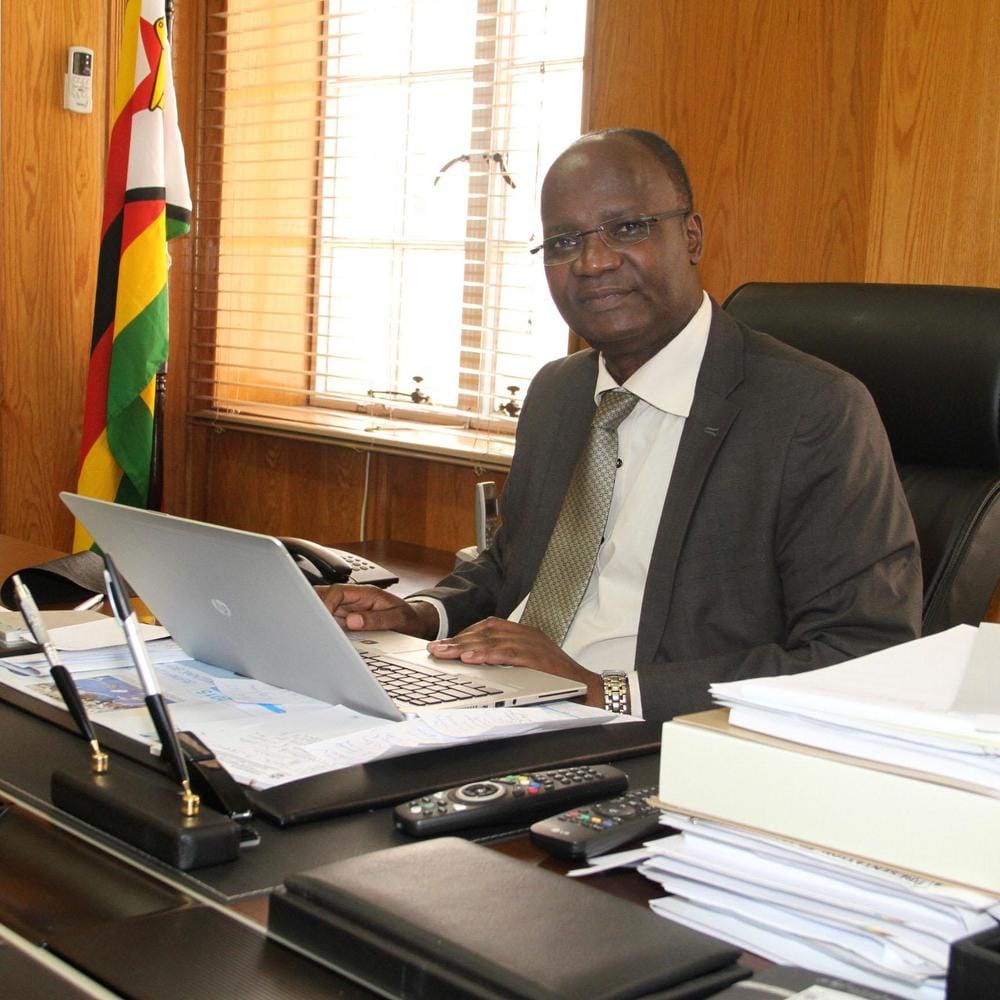
Jonathan Moyo, the exiled former minister and perennial thorn in the side of the establishment, suggested on social media that a “VVIP-linked officer” within military intelligence was responsible for leaking sensitive information.
Similarly, the outspoken Temba Mliswa publicly called for Baloyi’s removal, alleging that she was running a “parallel structure” that bypassed traditional chains of command.
Whether these allegations of leaks and parallel structures are true or merely convenient pretexts is almost irrelevant. In the theatre of ZANU PF politics, the accusation is often the execution.
These public volleys provided the necessary political cover for Mnangagwa to act under the guise of “professionalising” the service and eliminating factionalism.
This strategy of “administrative decapitation” is a hallmark of Mnangagwa’s long game. By avoiding a direct, bloody confrontation with Chiwenga, the president mitigates the risk of a counter coup while ensuring that his rival is left with a title but no troops.
Control of the security apparatus is the only metric of power that truly matters in Harare. Without a loyal intelligence network and without sympathetic commanders in the field, Chiwenga’s path to the presidency becomes increasingly narrow and fraught with danger.
The implications for Zimbabwe’s succession politics are profound. As the country looks toward the horizon of the next election cycle, the question of who comes after Mnangagwa remains the central obsession of the political class.
For years, the assumption was that Chiwenga would eventually succeed his principal as part of a pre-arranged deal struck during the 2017 intervention.
However, the systematic purging of Chiwenga’s allies suggests that any such deal has been torn up and discarded.
Mnangagwa is not preparing for a transition; he is preparing for a long, uncontested tenure or, at the very least, a hand-picked succession that excludes the military strongman.
We are witnessing the final stages of the civilianisation of the coup. Mnangagwa, the quintessential survivor of Zimbabwean politics, has proven far more adept at the dark arts of institutional manoeuvering than his military rivals.
By the time Chiwenga realises the extent of his isolation, the structures that once supported him will have been entirely rebuilt in the image of his rival.

The reassignment of Baloyi is more than just a personnel change. It is a signal to the entire security establishment that the old loyalties of 2017 no longer offer protection.
In the New Dispensation, there is only one sun in the sky, and everyone else, regardless of their rank or their marriage, is merely a satellite orbiting the presidency.
As the Commander’s Pool grows more crowded with the ghosts of Chiwenga’s influence, the vice president’s political future looks increasingly like a lonely vigil.
The tragedy of Zimbabwean politics remains its cyclical nature. The tools of statecraft are not used to build institutions or foster democratic growth but to wage a permanent war of attrition within the ruling elite.
While the generals and the politicians trade blows through reassignments and intelligence purges, the fundamental governance of the nation remains an afterthought.
For now, the momentum resides entirely with the president. In the high stakes game of Harare’s thrones, Emmerson Mnangagwa has once again proven that he is the most dangerous man in the room, not because he holds a gun, but because he knows exactly how to take it away from you.
Gabriel Manyati is a Zimbabwean journalist and analyst delivering incisive commentary on politics, human interest stories, and current affairs.