“After journalism, the best profession is law,” US president Franklin D. Roosevelt once remarked, a sentiment that has lingered with me as I write this. I am not a lawyer. I do not hold an LLB.
What I do have is the training and eye of a journalist, the vocation of observation and the responsibility to translate events that matter into words the public can grasp.
Journalism, in that sense, is an enviable profession. It allows one to stand at the intersection of law, power and society, to witness history as it unfolds, and to tease out the human stories behind the cold letters of legal charges.
In recent days, I’ve spent hours talking with a few lawyer friends in South Africa who have followed the Bellarmine Chatunga Mugabe case closely.
Today they helped me understand the full ramifications of his decision to abandon a planned bail application and enter plea negotiations with prosecutors.
It is a move that, at first glance, may seem tactical or procedural. In truth, it is a pivot point that reshapes his legal fate, public perception and the broader discourse on justice in South Africa.
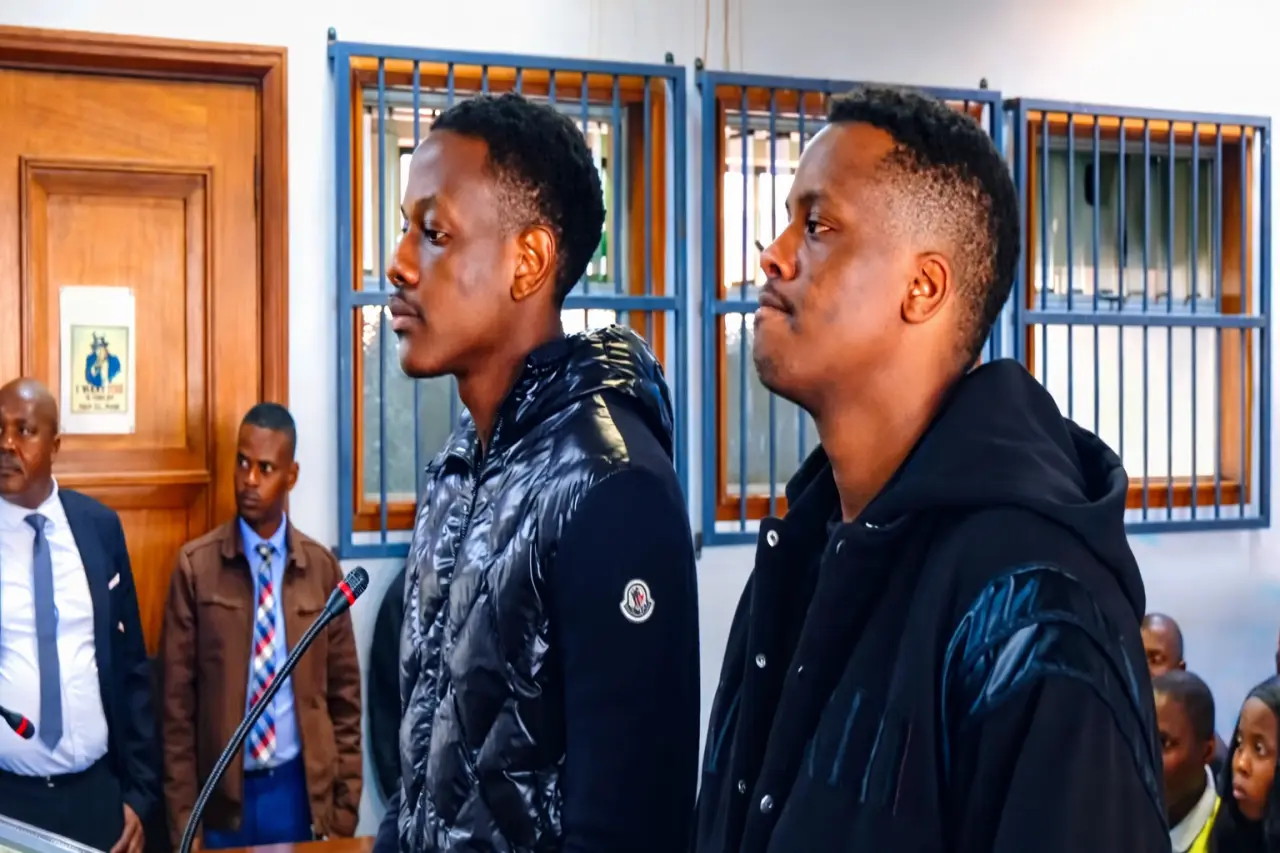
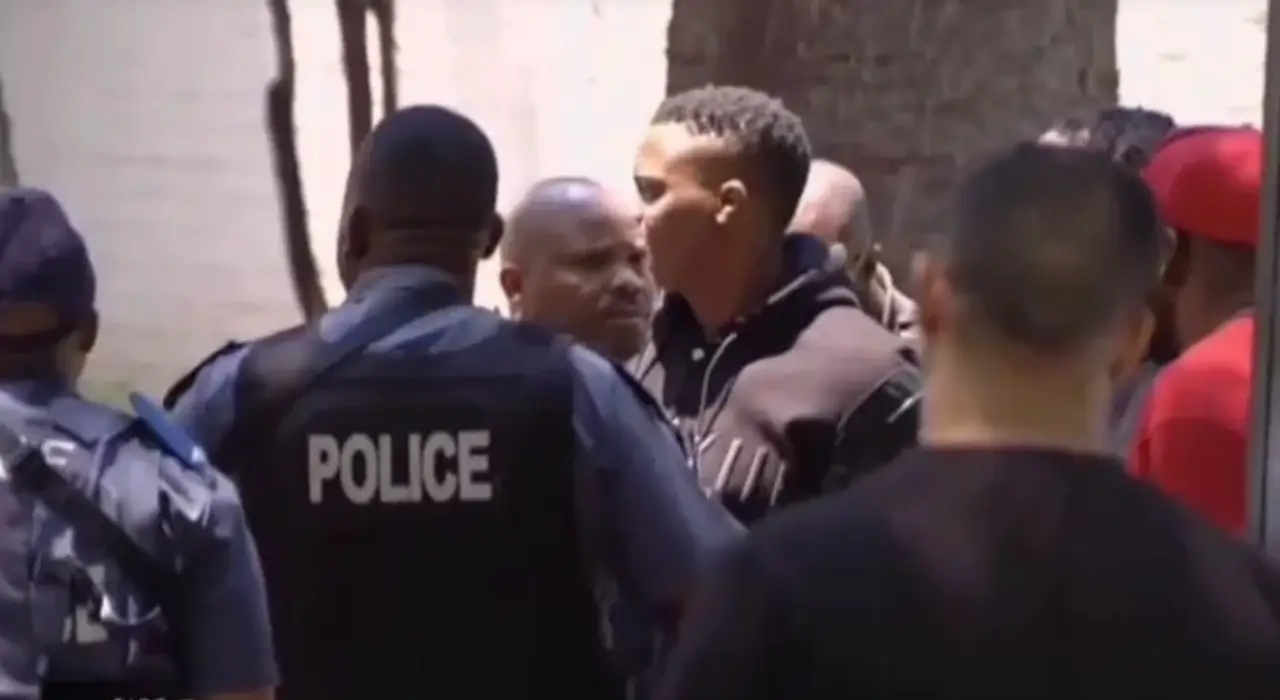
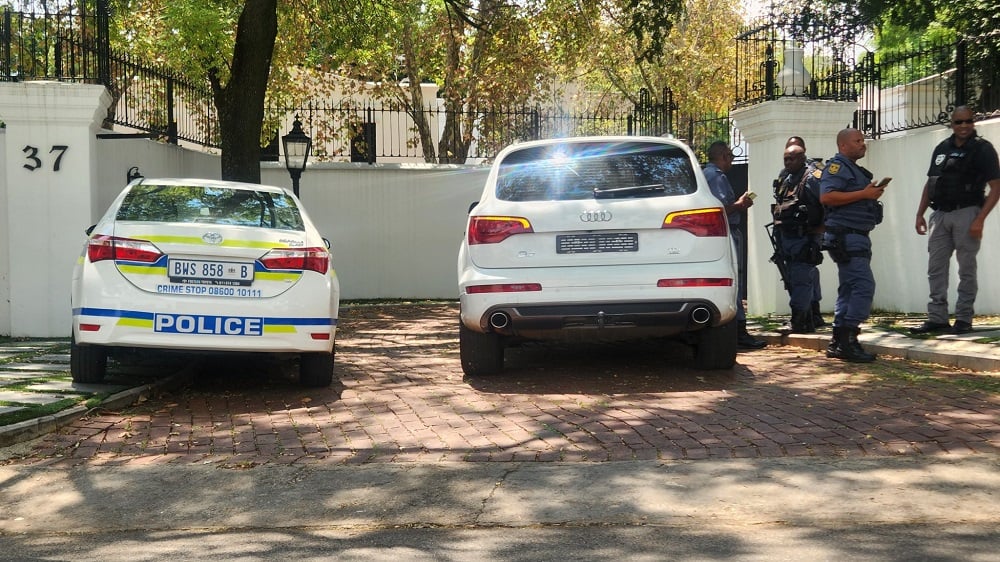
Chatunga Mugabe, the son of Zimbabwe’s late former president Robert Mugabe, first captured public attention when he was arrested following a shooting incident at his Hyde Park residence in Johannesburg last month.
The incident left a 23-year-old employee critically injured. Alongside him was his co-accused, Tobias Mugabe Matonhodze, whose fortunes in the case are intertwined with Chatunga’s decisions.
The story, already steeped in familial, political and social intrigue, became even more compelling when the bail hearing failed to proceed. A sudden announcement from their legal team revealed that both accused would instead explore a plea bargain with the state.
As my lawyer friends explained, a plea bargain in South Africa is not merely a method to speed up legal proceedings. It is a strategic negotiation, a balancing act that weighs risk against certainty.
For Chatunga, it offers the possibility of avoiding the unpredictable outcome of a trial where multiple serious charges – attempted murder, illegal possession of firearms, theft, pointing a firearm and defeating the ends of justice – hang over him like a storm cloud.
A trial could mean years of custody, exhaustive cross-examinations and a public airing of every detail, magnified by the weight of his family name.
The legal implications are concrete. For attempted murder alone, a conviction could carry up to 15 years in prison. Firearm-related charges could attract a further 10 to 15 years. Lesser charges, while serious, could be suspended or carried concurrently.
My friends explained that plea bargains often reduce sentences by 25-50 percent, especially if the accused co-operates fully and has no previous convictions.
In practical terms, this could mean Chatunga serves five to eight years instead of a decade or more, with some lesser charges suspended or subject to probation.
Beyond sentencing, the decision has reputational and social consequences. Accepting a plea bargain is an admission of guilt, a formal acknowledgment that the accused bears responsibility for offences that shocked the community.
In a family as politically and historically significant as the Mugabes, this carries weight beyond the individual. Zimbabweans and South Africans alike are watching not just the legal process but the moral calculus of accountability.
Wealth, privilege and influence intersect with the law in ways that are impossible to ignore, and the optics of a plea deal – while legally sound – may shape public perception as much as the sentence itself.
The co-accused, Matonhodze, is also affected. Prosecutors may leverage the negotiations to secure co-operation, and the outcome for one accused often influences the other.
Plea bargains ripple outward, shaping the legal landscape for associated parties, affecting strategies and creating subtle pressures that are invisible outside the courtroom.
From a human perspective, the impact of custody and delayed hearings is tangible. Chatunga has spent weeks navigating a legal system under intense scrutiny.
One previous hearing was postponed after a power outage at Alexandra Magistrate’s Court, a reminder that even the mechanics of justice can falter.
While administrative issues have since been resolved, every day in custody adds to the tension and uncertainty that accompanies high-profile cases.
There is also a larger question at play: how justice is perceived when it intersects with influence. High-profile cases often stir suspicion that wealth or status might shield the accused from full accountability.
South Africa’s legal system, however, is robust, and judges weigh plea bargains carefully. Transparency and strict adherence to procedure are essential to maintaining public confidence. For observers in both countries, the forthcoming court appearance on March 17 will be pivotal.
It will reveal whether prosecutors and defence teams can finalise terms that satisfy legal standards while meeting the public’s expectation of accountability.
The plea bargain embodies the tension between pragmatism and principle. It is pragmatic because it limits uncertainty, mitigates risk and offers a pathway to resolution.
It is principled because it acknowledges wrongdoing, holding the accused formally accountable, even if the sentence is reduced.
The negotiation process also allows the justice system to function efficiently, sparing witnesses from prolonged trauma and reducing the resource burden of a full trial.
Yet, the very efficiency that makes plea bargains attractive can also provoke criticism. Critics may argue that they allow the powerful to escape the full weight of justice, highlighting the delicate balance courts must strike between fairness, expedience and public trust.
What the Chatunga Mugabe case illustrates is that legal strategy is inseparable from human and societal factors. Decisions made behind closed doors – whether to plead guilty, negotiate terms, or fight for bail – have ramifications that echo far beyond the courtroom.
They influence reputations, affect families, shape public opinion and ultimately reflect how justice is administered in a society grappling with issues of power, privilege and equality before the law.
As a journalist, my role is to observe and to narrate, not to arbitrate. Yet even from the outside, the stakes are clear.
Chatunga Mugabe remains in custody as plea negotiations begin, and the weeks ahead will determine whether the case concludes through a negotiated resolution or returns to the full glare of trial proceedings.
The outcome will matter not only for him but for public confidence in the justice system and for the broader question of how societies reconcile privilege with accountability.
In following this story, one cannot help but reflect on Franklin D. Roosevelt’s insight. Journalism and law are intertwined in their pursuit of truth, justice and public accountability.
By chronicling this case, observing its twists and analysing the implications of legal strategy, journalists perform a vital role in translating the law for the society it serves.
And in doing so, we are reminded that even outside the courtroom, the pursuit of justice requires vigilance, insight and the courage to tell complex stories in ways the public can understand.
Gabriel Manyati is a Zimbabwean journalist and analyst delivering incisive commentary on politics, human interest stories, and current affairs.
Discover more from Nehanda Radio
Subscribe to get the latest posts sent to your email.