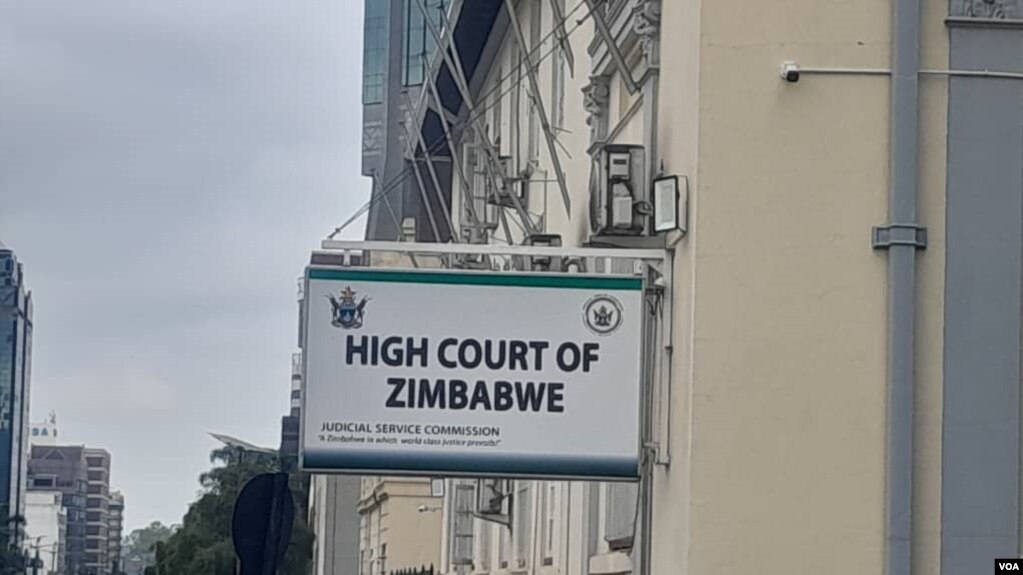
The High Court of Zimbabwe has dismissed an application by African Century Limited, a registered Deposit Taking Microfinance Bank, seeking the release of a high-end Toyota Land Cruiser VXR valued at over US$147,000 seized by the Zimbabwe Revenue Authority (ZIMRA), ruling that the tax authority acted lawfully in placing a lien on the vehicle over unpaid customs duties linked to a third party that reportedly owes more than US$1.2 million in tax arrears.
In his judgement, Justice Siyabona Paul Musithu found that the vehicle was legally subject to detention under customs laws, despite claims by the microfinance institution that it owned the car.
The case centred on a luxury Toyota Land Cruiser VXR which African Century said it had purchased and financed under a lease agreement with Brian Justice Enterprises (Pvt) Ltd.
The vehicle was imported into Zimbabwe in 2024 and customs duty amounting to over US$55,000 was paid.
However, ZIMRA later detained the vehicle under a “receipt for items held” notice, citing outstanding tax obligations of more than US$1.2 million owed by Brian Justice Enterprises.
African Century argued that the seizure was unlawful because it, not Brian Justice Enterprises, owned the vehicle. The firm insisted it had no connection to the tax dispute and demanded the immediate release of the car.
ZIMRA maintained that the vehicle was properly detained under Section 201 of the Customs and Excise Act, which allows the State to place a lien on goods belonging to a debtor until outstanding duties are paid.
The authority argued that, based on customs records, Brian Justice Enterprises was the importer of the vehicle after ownership was formally changed from Toyota Zimbabwe during the clearance process.
As such, the vehicle fell within the scope of enforcement measures tied to the company’s tax debt.
Justice Musithu ruled that the application was properly brought as a declaratory matter, rejecting ZIMRA’s argument that it was a disguised review filed out of time.
However, the court held that Brian Justice Enterprises became the importer when the vehicle was cleared for consumption under its name, despite the financing arrangement with African Century.
While African Century funded the purchase, the court ruled that financing alone did not override customs documentation or make the firm the legal importer for purposes of the Act.
Justice Musithu noted that since Brian Justice Enterprises owed substantial customs duties, ZIMRA was entitled to detain the vehicle under Section 201, which gives the State priority over other claims.
“There may have been a contractual arrangement as between the applicant and BJ Enterprises in terms of which the applic-ant played the role of financier, but that ar-rangement did not transcend customs processes that regulate the importation of goods.
“The mere fact that the applicant provided funding did not automatically make it the importer or owner of the goods for cus-toms purposes,” Justice Musithu said.
Each party was ordered to bear its own costs.
The application was dismissed in full, leaving the vehicle under ZIMRA’s control pending resolution of the tax debt owed by Brian Justice Enterprises.
African Century Limited was represented by Gill, Godlotons and Gerrans as its legal practitioners, while ZIMRA was represented by Kantor & Immerman.