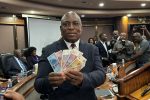
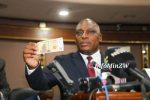
Issuing a structured currency may seem like a solution to economic woes, but it could plunge Zimbabwe deeper into hyperinflationary turmoil. Here’s why:
1. Backed by Derivatives and Gold: The proposed currency allegedly backed by derivatives and gold lacks sufficient value to support the economy.
The debt crisis leaves the country unable to access affordable borrowing which would be used to leverage asset derivatives or acquire more mineral assets.
The value of our mineral assets reserve is inadequate to sustain the Zimbabwean economy. The lack of transparency around the asset being used to back this currency is already evidence of this.
According to Finance Minister Mthuli Ncube’s latest budget statement, the economy runs on US$10billion contrary to the US$575m reserve total and 2.1 tonnes of gold touted.
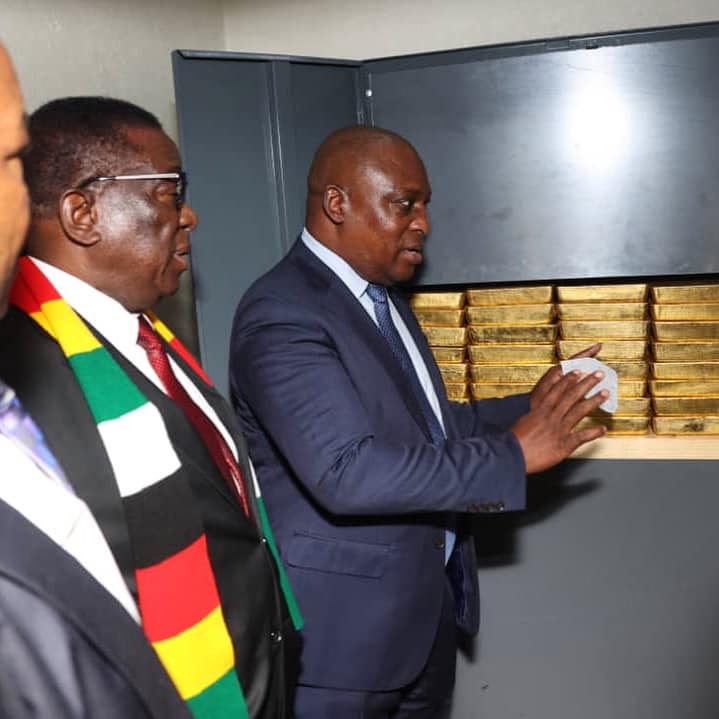
It is also worrisome that money donated to address hunger and other social protection issues will be diverted to back this asset which will not generate a return on investment for the people of Zimbabwe.
2. Printing Funny Money: The Reserve Bank of Zimbabwe (RBZ) will likely exploit the situation to print excessive amounts of currency, backed by this low-value securities. This reckless printing will inflate the money supply beyond the asset’s true worth.
3. Flooded Market: The influx of this “funny money” into the economy will primarily serve to settle contractor payments and civil wage bills. However, it will flood the market, exacerbating the currency’s devaluation.
4. USD Conversion: Faced with the devaluation of the local currency, individuals and businesses will rush to convert their holdings into USD, seeking a stable store of value. This phenomenon of bad money chasing good money will further deplete the local currency’s worth.
The consequences are dire, with hyperinflation projected to skyrocket, potentially reaching over 10,000% by December 2024. Zimbabwe cannot afford to repeat past mistakes.
It’s imperative that policymakers exercise caution and explore sustainable solutions to avoid exacerbating the economic crisis.