Home Blog

Benjani hints at strained relationship with Highlanders executive: “Everyone didn’t want me here”

0
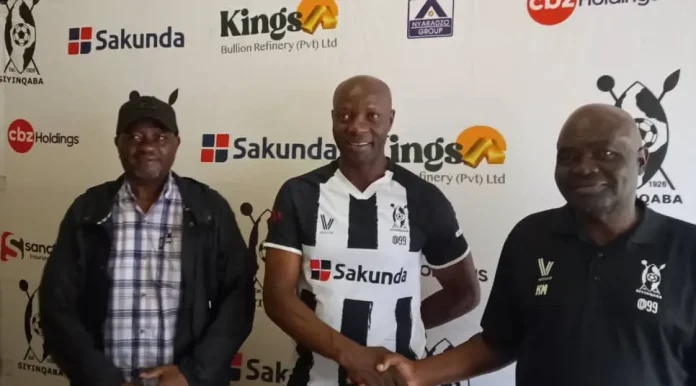
Highlanders FC head coach Benjani Mwaruwari is officially unveiled by the club in January 2026 (Picture via X - @wicknellchivayo)

Highlanders FC head coach Benjani Mwaruwari has dropped a bombshell revelation telling a press conference, “I have been working in difficult conditions. Everyone didn’t want me here”.

The remarks were taken to mean he has a strained working relationship with the leadership at the club who initially resisted appointing him on the basis he was effectively forced onto them by club benefactor, controversial businessman Wicknell Chivayo.

One Bosso fan vented on X, writing; “they haven’t paid him and the other guys since his appointment, despite Wicknell Chivayo having released the funds. They’re also not signing the players he wants, this board needs to get serious.”

Boss Gee on X wrote: “They wanted a foreign coach. Don’t be moved Benjy stay calm. I am a Dembare supporter but I am happy when I see our former players with international experience sitting on the bench in our local games.

“This is actually an opportunity to have our local players to play abroad.”

Top lawyers demand retractions from Wafawarova over US$20m ‘cabal’ claims

0
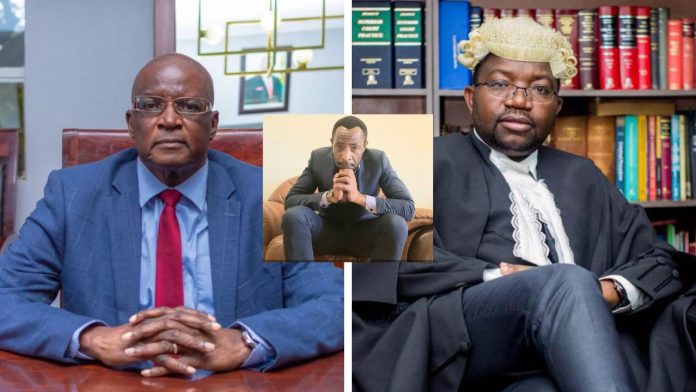
Top lawyers Canaan Dube and Thabani Mpofu going after writer Reason Wafawarova (inset)

Prominent Harare-based legal practitioners have issued urgent demands for retractions and apologies from social media commentator Reason Wafawarova following a series of posts alleging the existence of a US$20 million “Matebeleland cabal” linked to Zimbabwe’s constitutional reform agenda.

Two separate law firms, Dube, Manikai & Hwacha (DMH Legal) and Mtetwa & Nyambirai, have written to Wafawarova on behalf of their respective clients, accusing him of publishing false and defamatory claims on social media platform X.

DMH Legal, acting for senior partner Canaan Dube, dismissed the allegations as “false, malicious and grossly defamatory.”

The firm said Wafawarova falsely claimed that Dube, alongside constitutional law expert Professor Jonathan Moyo and Advocate Thabani Mpofu, had received US$20 million to “sanitize” a presidential term extension agenda.

The lawyers further accused Wafawarova of misrepresenting Dube’s background by linking him to Matabeleland, describing the claim as both false and calculated to damage his reputation.

In a letter dated April 1, 2026, DMH Legal demanded that Wafawarova immediately retract the statements, delete the offending posts, and publish a retraction on the same platform within 48 hours, warning that failure to comply would result in legal action.

A second letter, dated April 2, 2026, from Mtetwa & Nyambirai, acting on behalf of Advocate Thabani Mpofu, raises similar complaints.

The firm said Wafawarova escalated the allegations by claiming Mpofu had been hired by Dube to produce a legal strategy paper outlining how presidential term limits could be altered without a referendum.

According to the letter, Wafawarova alleged that Mpofu was part of a US$20 million scheme involving multiple actors tasked with advancing the purported agenda through Parliament.

Mtetwa & Nyambirai described the claims as baseless, defamatory, and harmful, arguing they portray Mpofu as a corrupt and unethical legal practitioner willing to subvert the Constitution for financial gain.

The firm said the posts had exposed their client to public ridicule and damaged both his professional and personal reputation, including casting doubt on his integrity and principles.

“Your posts were intended to characterize, and were understood to mean that our client is a charlatan who is prepared to subvert the supreme law of the land for tainted monetary gain,” the lawyers stated.

“Your posts clearly conveyed to every reasonable reader that our client is not a worthy professional in that he is greedy, is motivated by money as opposed to principle and honesty, teamed up with other allegedly similarly afflicted persons to subvert the Constitution of Zimbabwe for financial gain, is a hypocrite who does not walk his public talk and is unworthy of public trust as a professional.”

The lawyers have given Wafawarova 24 hours to retract the statements, issue a full and unreserved apology, and confirm compliance, failing which legal proceedings may follow.

The controversy comes amid heightened public debate over constitutional amendments and allegations of efforts to extend presidential term limits beyond 2028, an issue that has drawn sharp political and legal scrutiny.

The return of the King of the Airwaves: Tich Mataz ends three decades of exile

0
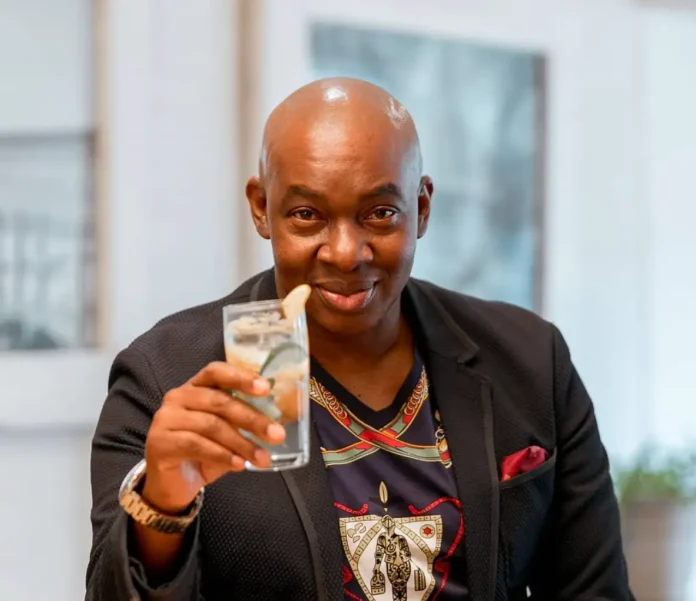
In a move that has sent shockwaves of nostalgia and excitement through the broadcasting industry, Tichafa Matambanadzo, the man the continent knows and loves as Tich Mataz, has officially joined Channel Africa. (Picture via Instagram - Tich Mataz)

The golden voice that once defined the rhythm of a young, democratic South Africa is finally echoing through the corridors of the SABC once more.

In a move that has sent shockwaves of nostalgia and excitement through the broadcasting industry, Tichafa Matambanadzo, the man the continent knows and loves as Tich Mataz, has officially joined Channel Africa.

It is a homecoming that seemed impossible for 28 years, marking the end of one of the most dramatic periods of professional exile in the history of African media.

​To understand the magnitude of this return, one must look back to the mid-nineties, an era when Mataz was not just a DJ but a cultural phenomenon.

He was the quintessential “it boy” of the airwaves, a smooth-talking, high-energy maestro who turned Metro FM into a powerhouse and became the face of television hits like Woza Weekend.

Yet, in 1998, the music stopped with a jarring suddenness that left millions of fans in mourning.

​THE SPECTACULAR FALL OF THE JET SETTER

​The story of the deportation of Tich Mataz is the stuff of urban legend, a cautionary tale of fame, paperwork and the unforgiving gaze of the Department of Home Affairs.

While his fans saw a superstar who lived life in the fast lane, the South African government saw something else: a Zimbabwean national who had allegedly circumvented the strict immigration laws of the time.

​The drama unfolded like a high stakes thriller. At the peak of his powers, Mataz was accused of fraudulently obtaining South African identity documents.

The core of the controversy lay in the claim that he had misrepresented his place of birth to secure a South African ID, a move that allowed him to work without the cumbersome restrictions of a work permit.

In the post apartheid transition, the government was keen to demonstrate a firm hand on immigration, and unfortunately for the star, he became the high-profile face of that crackdown.

​Rumours at the time suggested that his downfall was accelerated by professional jealousy.

On the streets of Johannesburg, it was whispered that a rival in the industry, envious of the massive endorsement deals and the sprawling mansion Mataz occupied in the leafy suburbs, had tipped off the authorities.

Whether it was a “snitch” or a routine audit, the result was a swift and unceremonious exit. He was declared a prohibited person and escorted across the border, leaving behind a glittering career and a stunned public.

​YEARS IN THE WILDERNESS AND THE ZIMBABWEAN REINVENTION

​Many expected Mataz to fade into obscurity after the 1998 scandal, but the man possessed a resilient spirit that matched his vocal talent. Returning to Harare, he did not lick his wounds for long.

Instead, he reinvented himself as a media mogul and a pillar of the Zimbabwean broadcasting scene.

He took his “Midas touch” to the Zimbabwe Broadcasting Corporation and later ventured into the world of business and gospel, proving that while you could take the man out of the studio, you could not take the radio out of the man.

​Throughout those 28 years, the legend of Tich Mataz persisted in South Africa. Older listeners would frequently call into radio stations, asking what had happened to the man who made Friday nights feel like a celebration.

His deportation was often cited as the moment the “Golden Era” of Metro FM lost its luster. There were several attempts to bring him back over the decades, but the legal red tape proved too thick, until now.

​THE NEW CHAPTER: CHANNEL AFRICA

​The decision to bring Mataz to Channel Africa is a masterstroke of programming. As the international service of the SABC, Channel Africa is tasked with broadcasting the African story to the rest of the world.

There is perhaps no-one better suited for this mission than a man who has lived the pan-African experience in its most literal sense. He brings with him a maturity tempered by his time away and a deep understanding of the continental media landscape.

​Colleagues at the SABC describe the atmosphere during his first week back as “electric.” There is a sense of a circle finally being closed.

The man who was once unceremoniously shown the door has walked back through the front entrance with his head held high. This is not just a job for Mataz; it is a redemption song.

​THE LESSONS OF THE PAST

​Reflecting on the 1998 incident, it is clear that the deportation was a product of a specific political moment.

Today, the media industry is far more globalised, and the movement of talent across African borders is encouraged as part of the “Africa Rising” narrative. Mataz, in many ways, was a man ahead of his time, a regional superstar when the systems were still stubbornly nationalistic.

​His return also serves as a reminder of the fleeting nature of fame. Mataz has been open in recent years about the psychological toll of his sudden removal from his life in South Africa. He lost businesses, properties and the daily connection with the audience that adored him.

However, he has also spoken about the spiritual growth he experienced during his time in Zimbabwe, crediting his faith for keeping him grounded when the bright lights of Johannesburg were extinguished.

​A LEGACY RESTORED

​As Tich Mataz settles into his new role, the focus is firmly on the future. He is no longer the brash young man in the oversized leather jackets of the nineties; he is a seasoned veteran, a statesman of the mic.

His voice, however, remains unchanged: that rich, velvet tone that can make a simple weather report sound like a symphony.

​The comeback of Tich Mataz is more than just a media story; it is a story of survival and the enduring power of talent.

For 28 years, he was a ghost in the South African media machine, a memory of a time when radio felt larger than life. Today, he is a living breathing reality once more.

​The King has returned to his court, and the airwaves have never sounded better. South Africa has finally forgiven its most famous exile, and in return, Tich Mataz is ready to give the performance of a lifetime. The frequency is set, the mic is live and the legend continues.

Stanbic Bank Zimbabwe posts ZWG1.7 billion full-year profit, up 48%

0
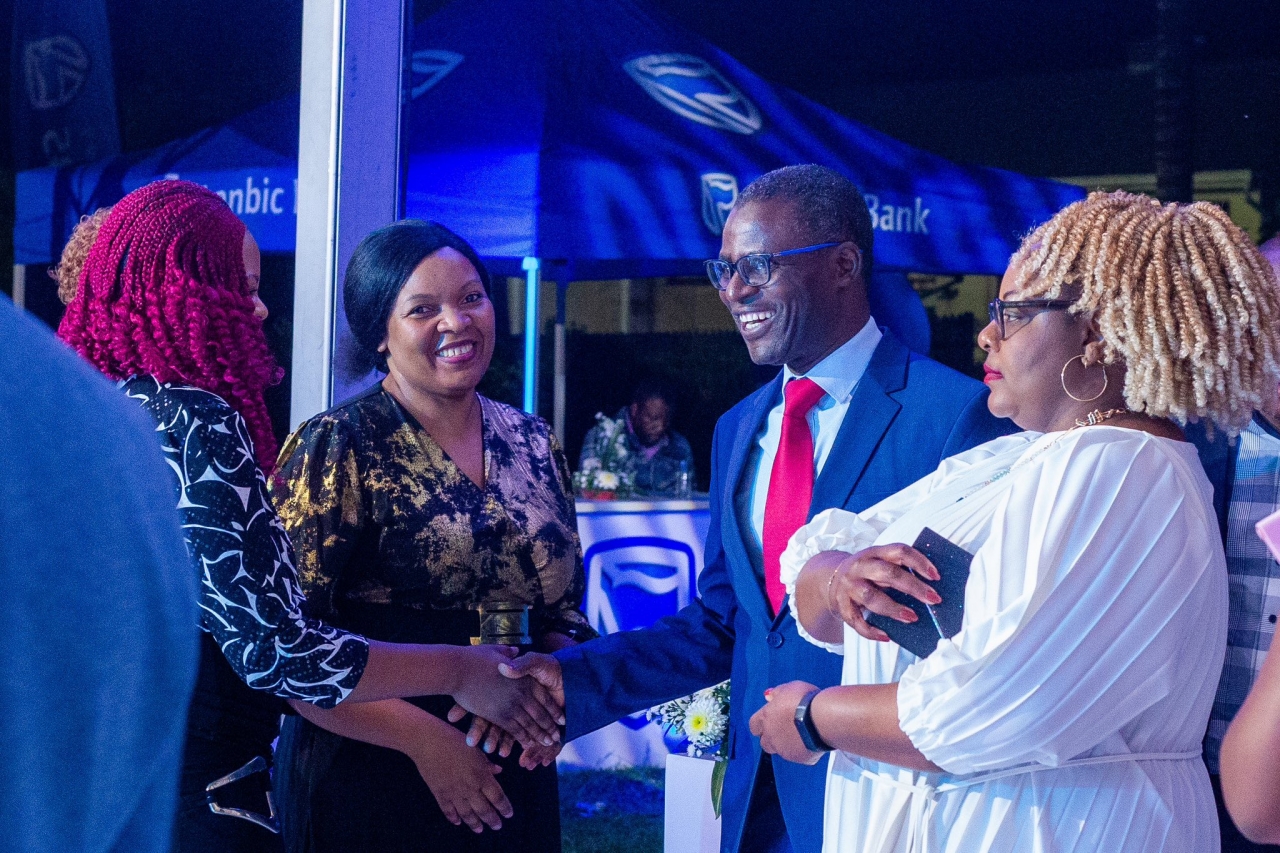
Stanbic Zimbabwe Chief Executive Solomon Nyanhongo and the Stanbic Bank Business team holding a cocktail for their clients in Mutare, November 2023. (Picture via X - @StanbicBankZW)

Stanbic Bank Zimbabwe Limited recorded a good financial performance for the year ended 31 December 2025, achieving a profit after tax of ZWG1.7 billion, driven by robust loan book growth and strong economic fundamentals.

The bank’s net interest income grew by 77 percent to ZWG 1.8 billion, underpinned by a 57 percent expansion in the average lending book to ZWG13.4 billion, supported by growth in deposits and drawdowns on offshore lines of credit secured during the year.

Non-funded income reached ZWG 3 billion, bringing total income to ZWG 4.9 billion.

Customer deposits grew 39 percent to ZWG 20.9 billion, reflecting improved customer acquisition, increased market confidence, and strengthened deposit mobilisation efforts. Total assets closed the year at ZWG 35 billion, up from ZWG 25.5 billion in December 2024.

Stanbic Bank also maintained a strong capital position, with qualifying core capital of ZWG 4.3 billion, well above the regulatory minimum requirement.

Announcing the results, Stanbic Bank chairman Muchakanakirwa Mkanganwi expressed confidence in the bank’s trajectory.

Loan book growth was supported by growth in deposits and offshore lines of credit that the bank had secured.

Stanbic Bank Chief Executive Solomon Nyanhongo attributed the strong performance to disciplined execution and strategic focus.

“The year 2025 was characterised by macroeconomic stability, supported by liquidity controls aimed at containing inflationary pressures.”

Nyanhongo added that the bank continued to support key sectors of the economy, providing foreign currency funding during a record tobacco season of 355 million kilograms and extending USD6.5 million in credit facilities to SMEs.

During the year, Stanbic Bank invested significantly in enhancing customer experience and expanding its footprint.

Key initiatives included the deployment of deposit-taking ATMs and bulk note acceptors, the launch of International Payments (IPay) on Online Banking enabling 24/7 cross-border payments and the integration of the MoneyGram API to enhance remittance capabilities.

New branches were opened in Chiredzi and Masvingo to extend the bank’s reach.

Looking ahead, Mkanganwi said the growth outlook remains strong given commodity price trajectories.

He pointed out that the policy environment will be key in fulfilling this promise, particularly in fiscal management and monetary policy, while the bank remains vigilant to external shocks and climate-related risks.

This, he added, ensures the bank is well-positioned to continue driving Zimbabwe’s growth.

Stanbic Bank Zimbabwe Limited is a member of the Standard Bank Group, Africa’s largest bank by assets and a leading financial services group with a primary listing on the Johannesburg Stock Exchange (JSE).

Through its comprehensive suite of financial solutions, the bank provides a full range of services spanning corporate and investment banking, personal and private banking and business and commercial banking.

National Trauma: The CURSE study of Robert Mugabe and his political and family trajectory

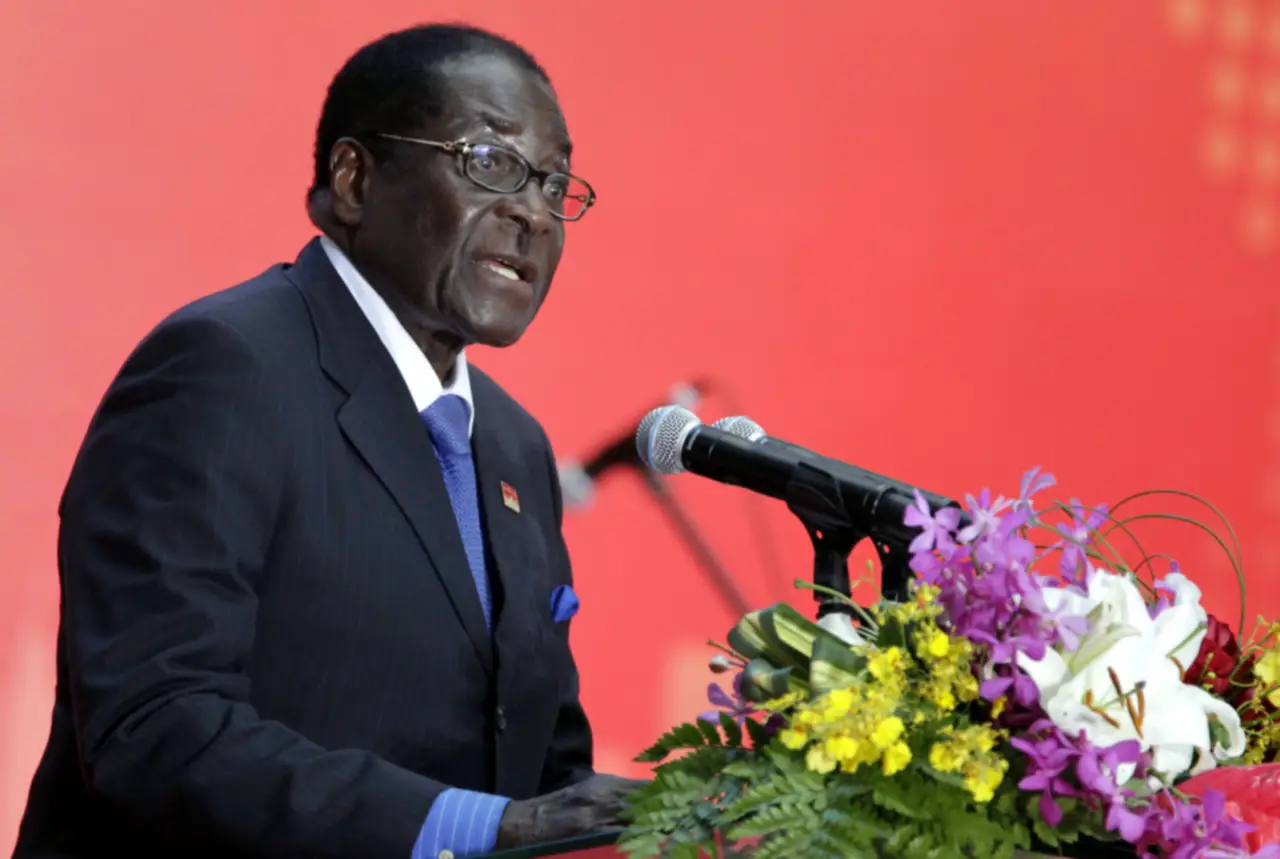
Then Zimbabwean President Robert Mugabe speaks at a ceremony of the National Day for the Republic of Zimbabwe in Expo park in Shanghai, China, August 11, 2010 — Photo by IC Photo via DepositPhotos.com

Zimbabwe stands once again at a fragile crossroads. Political tensions rise, constitutional questions linger and old wounds quietly shape new decisions.

Beneath all of this lies something deeper, something we have never fully confronted: the psychological and intergenerational legacy of our history.

And so we must ask a difficult but necessary question:

What happened to Robert Mugabe and what continues to happen through us?

Mugabe is often described in binaries: hero or villain, liberator or dictator. Both are true and yet neither is adequate. Because Mugabe was not only a political figure. He was also a psychological case study of something far more unsettling:

A traumatised human being who unconsciously went on to traumatise others.

This is not an excuse. It is an attempt to understand.

The Wounded Child Who Became the State

To understand Mugabe, we must look beyond the presidency and examine the human being.

A child shaped by colonial violence.

A young man formed under humiliation, exclusion and domination.

A political actor forged in war, where violence becomes normal, even necessary.

Colonialism was not just a political system. It was a psychological assault. It generated fear, inferiority, anger and a deep need for control. It taught the oppressed that power is the only protection against vulnerability.

When trauma is never processed, it does not disappear. It reorganises the nervous system. It shapes perception. It becomes identity.

So when Mugabe entered the liberation struggle, he did not enter as a blank slate. He brought unprocessed pain. And the war became a second rehearsal:

  • Violence meeting violence,
  • Fear meeting fear,
  • Control becoming survival.

By 1980, Zimbabwe did not simply inherit a government. It inherited a generation whose inner worlds had been shaped by trauma.

When the Oppressed Become the Oppressor

Paulo Freire once wrote: “For the oppressed, to be, is to be like the oppressor.”

This is not a moral judgement. It is a psychological truth.

Unhealed trauma is repeated.

Mugabe’s trajectory reflects this. A man shaped by oppression rose to power and then reproduced, in altered form, the very patterns he once resisted.

A metaphor might help:

A man fights a vampire.
In the struggle, he is bitten.
He returns home, not as a hero, but as something changed.
And he begins to bite those he loves.

Colonial cruelty was Mugabe’s bite.
And tragically, he passed it on.

The Repetition of Pain

Zimbabwe’s history is marked by unsettling parallels with Mugabe and many freedom fighters in the lead:

Denied dignity under colonial rule, then denying dignity to others.
Humiliated by Ian Smith, then overseeing the humiliation of political opponents.
Denied the right to bury his own son, then denying others the right to mourn, as in the case of Dumiso Dabengwa denied the right to bury his long-time friend, Lookout Masuku, both imprisoned without trail for three year.

These are not coincidences, but psychological patterns and clear ones for anyone who really wants to be honest about these matters.

Trauma does not resolve itself. It reenacts itself.

Even moments that looked like unity, such as the Unity Accord, carried the imprint of fear and control, not true healing. The push toward a one-party state was not only political ambition; it was also the trauma-driven belief that control is safer than vulnerability.

Unexamined fear often disguises itself as authority.

A Broken Man, A Broken Inheritance

Mugabe inherited a broken country, economically, politically and psychologically.
A nation emerging from war.
Communities carrying grief and unspoken pain.
A collective nervous system shaped by violence.

Instead of healing this inheritance, it was amplified.
And trauma, by its nature, becomes intergenerational.

It does not end with an individual.
It passes to children, institutions and culture.

This is the deepest paradox:
In leaving behind a broken Zimbabwe, Mugabe also left a broken inheritance for his own children.

The Unconscious Leader

It is difficult to imagine that Mugabe, in a fully conscious and healed state, and knowing that his own children and descendants would live in that world, would deliberately choose repression, cruelty, or division and in the process, contribute in creating a world so broken and dangerous even to his children.

So, we must ask:

Did he fully understand what he was doing?

In many psychological and spiritual traditions, there is a phrase:

“They know not what they do.”

This does not absolve responsibility. Mugabe must be held accountable for the thousands who suffered under his rule.
But accountability and understanding can coexist.

Viewed through the lens of trauma, Mugabe becomes painfully predictable:

A child shaped by fear, humiliation and dehumanization

A fighter shaped by violence.
A leader shaped by the need for control and extreme power.

The rehearsals of his early life did not vanish at independence.
They became policy.
They became governance.
They became Zimbabwe.

The Warning for Zimbabweans Today

This is not only Mugabe’s story.
It is ours.

Zimbabweans today are angry, hurt, frustrated and disillusioned. These emotions are real and legitimate. But they are also dangerous if left unprocessed. We will die and leave our children in a broken world and things will get worse for them.

It does not matter what advantage or disadvantage one has, because if it was about advantages, Mugabes family would not be in the difficulties they face now, with his childrens behaviour and of course, his widow`s motherly pain of having their kids be known for mischief and the risk of incarceration.

Which mother wants their kids in prison? And who would have thought the kids of the once heroic R.G Mugabe, popularly known as Bob only the lighter note and Gushungo on the praise note, would be arrested and made to face the law?

Because if we do not work through our own trauma, we risk becoming what we are fighting. We may overthrow one system, only to recreate it in another form.

This is the vicious cycle.

A Different Model of Participation

Mugabe’s life offers a model not to emulate, but to learn from. It shows what happens when:

• Trauma is not healed
• Power becomes a form of protection
• Violence is internalised and then externalised

The alternative is not passivity.
It is conscious participation.

To fight injustice while also working on oneself to ensure trauma does not stick and that those who suffer from the tentacles of trauma do not stamp us with their bondage.

To engage politically while regulating one’s inner world.

To resist oppression without rehearsing it internally.

If we fail to do this, we risk entering the struggle as ourselves, and emerging as something else. Something that makes the world worse, for indeed, the world is in a bad state and Zimbabwe is part of it.

What Would It Mean to Break the Cycle?

Breaking the cycle requires something Zimbabwe has never fully embraced:

A national and personal commitment to healing.

This will involve:

• Understanding trauma, individually and collectively. I have had people talk about political education and sing that message like it was the national anthem but no one ever speaks about healing education because to many, we are fine. Are we?
• Making space for reflection, not just reaction
• Allowing accountability without permanent dehumanization
• Building political cultures not driven by fear

And asking deeper questions:

Who am I becoming as I fight? And like an actor, aways taking off the acting costume, putting away the props and deroling, to return to themselves and remember to love and empathize again. Imagine an actor never going back to themselves.
What is driving my actions, clarity or pain?
What kind of Zimbabwe am I rehearsing internally?

Participation is not optional.
Our only choice is how we participate.

The Zimbabwe That Can Emerge

Mugabe’s legacy is full of contradictions:

A hero who resisted Western domination,
yet replicated domination at home.
A liberator who became a controller.
A visionary trapped in fear.

If we reduce him to a villain, we learn nothing.
If we excuse him, we betray justice.

But if we understand him, we gain something vital:
A mirror.

And in that mirror, we may glimpse the Zimbabwe we could become,
or the one we must choose not to repeat.

Conclusion: From Repetition to Renewal

Zimbabwe cannot rewrite its past. Mugabe’s chapter is closed.
But the future remains unwritten.

We can continue the cycle of anger, exclusion and unconscious repetition.
Or we can choose awareness, healing and deliberate participation.

Perhaps if Mugabe had found the tools to process his pain, his leadership might have unfolded differently.

But we are here now.
And the question is no longer about him.

It is about us.

Will we enter the struggle as conscious participants,
or as wounded fighters at the risk of becoming what we hate?

Because the truth is simple and difficult:

Careless, angry, unconscious participation can only produce another Mugabe.

Conscious, reflective, healing participation may produce a new us and a new Zimbabwe.

Dr Eddison Zvobgo: Architect of power, victim of politics in Zimbabwe

0
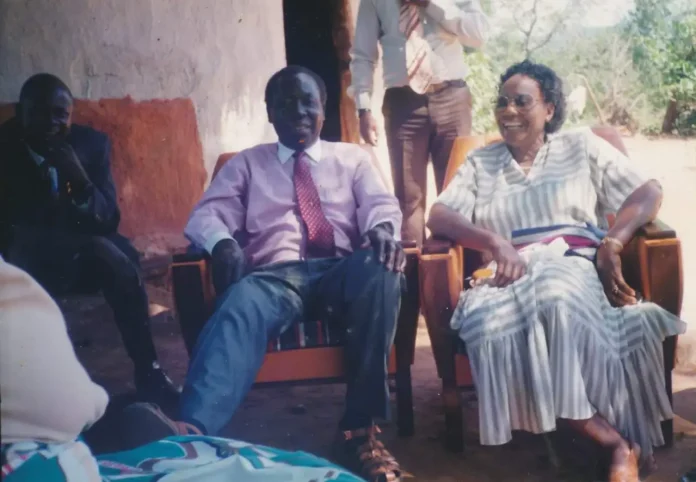
The late former Justice Minister Dr Eddison Zvobgo (centre) seen here with family members (Picture via Facebook - Kerina Zvobgo)

​History is often unkind to those who build the very prisons they later wish to escape. Whenever the story of Zimbabwe’s liberation struggle is told, few figures loom as large, as complex, or as ultimately frustrated as Dr Eddison Jonas Mudadirwa Zvobgo.

He was a man of shimmering intellect, a Harvard-trained legal mind who could quote Shakespeare and Shona proverbs in the same breath, and yet he spent his final years as a political pariah in the very house he helped construct.

​Born in 1935 under the shadow of the Dutch Reformed Church in Masvingo, Zvobgo was the son of a preacher, a pedigree that perhaps gifted him his thunderous oratory.

But the pulpit was perhaps too restrictive for him. He was a man of the “crucible,” as he once described the nationalist struggle.

By the 1960s, he was already a marked man, arrested alongside Robert Mugabe and Joshua Nkomo for daring to suggest that the land belonged to its people. It was in the damp solitude of Rhodesian prison cells that the legend of Zvobgo the intellectual began to crystallise.

​While others merely endured their incarceration, Zvobgo studied. He famously boasted of his academic superiority over his peers, including Mugabe himself.

“I studied vertically,” he would say with that characteristic, mischievous glint in his eye, “while Mugabe studied horizontally.”

It was a cheeky jab at the president’s numerous degrees, but it carried a subtext of genuine intellectual arrogance. Zvobgo did not just want to lead; he wanted to be the smartest man in the room.

​The world truly met him in 1979 at the Lancaster House Conference in London. As the spokesperson for ZANU PF, he was the velvet glove on the iron fist of the revolution.

To the international press, he was a gift from God Almighty: witty, urban and devastatingly sharp. When asked about the morality of the struggle, he was chillingly pragmatic: “Whites must be led down the garden path to the place of slaughter. Morality does not come into it.”

​However, the tragedy of Eddison Zvobgo is that he was the chief architect of his own eventual irrelevance.

As the Minister of Parliamentary and Constitutional Affairs in the late 1980s, he was the man who took a scalpel to the Lancaster House Constitution.

Between 1987 and 1990, Zvobgo masterminded a series of legislative manoeuvres that fundamentally altered the DNA of the Zimbabwean state.

The most consequential of these was Constitution Amendment No. 7, which abolished the office of the ceremonial President and the executive Prime Minister, fusing them into a single, omnipotent Executive Presidency.

​This was not merely a change in title; it was a wholesale transfer of power. Zvobgo’s drafting ensured the President became the Commander-in-Chief with the unilateral authority to appoint and dismiss vice presidents, ministers and even judges.

He facilitated the abolition of the 20 seats reserved for the white minority, a move that removed one of the few remaining parliamentary checks on ZANU PF’s dominance.

By removing the need for the president to be accountable to a separate head of state, Zvobgo effectively dismantled the guardrails of the young democracy.

​Critics suggested he was tailor-making a suit that he expected to wear himself once Mugabe retired. He thought he was building a throne for an eventual successor; instead, he built a fortress that would provide the legal scaffolding for decades of authoritarian rule.

By concentrating power in the hands of one man, Zvobgo’s amendments created a system where the judiciary and legislature became mere appendages of the executive.

The “imperial presidency” he authored allowed for the suspension of human rights with a single pen stroke, a legacy that haunted the country long after Zvobgo himself fell from grace.

​His relationship with Mugabe was a dance of mutual respect and simmering resentment. Mugabe feared Zvobgo’s brilliance and his powerful Karanga base in Masvingo.

Zvobgo, in turn, could not hide his ambition. He was the “President Zimbabwe never had,” a title that became both a compliment and a curse.

​The cracks in the facade began to show on the dark issue of Gukurahundi. While most of the ZANU PF leadership remained silent or complicit in the massacres in Matabeleland, Zvobgo was one of the few who had the courage to offer an apology.

He called it a “moment of madness,” a phrase that has since become a haunting euphemism for state-sponsored violence. This admission of guilt was a cardinal sin in the eyes of the Mugabe inner circle.

​The friction reached a fever pitch in the mid-1990s. Zvobgo’s intellect was no longer a tool for the party; it had become a threat.

Mugabe began to systematically sideline him, moving him from the powerful Justice ministry to Mines, and eventually to the ghost-office of Minister without Portfolio. The personal animosity was palpable.

During central committee meetings, Zvobgo would often correct Mugabe on points of law or history, a public slight the president apparently never forgave.

Mugabe once remarked that Zvobgo was “a man of many words but little action,” to which Zvobgo allegedly retorted that “action without thought is the hallmark of a tyrant.”

​In 1996, Zvobgo survived a car accident that left both his legs shattered. In the paranoid atmosphere of Zimbabwean politics, few believed it was an accident.

His niece, Kelebogile Zvobgo, later recalled the hushed tones of relatives who believed it was an assassination attempt – the price of stepping out of line.

Shortly after, Mugabe demoted him further. Zvobgo, undeterred, retreated to his fiefdom in Masvingo, where he reigned from his hotels, a gaunt but still ebullient king in exile.

​The arrival of Jonathan Moyo, the mercurial academic turned propaganda chief, added a new layer of vitriol to Zvobgo’s life. Moyo was the new “golden boy,” the man tasked with sanitising Mugabe’s image and crushing the independent press.

Zvobgo viewed Moyo as a political upstart, a “Johnny-come-lately” who lacked the scars of the struggle. The two clashed spectacularly over the Access to Information and Protection of Privacy Act (AIPPA) in 2002.

​As Chairman of the Parliamentary Legal Committee, Zvobgo used his legal expertise to dismantle Moyo’s legislation. In a moment of high drama in the house, Zvobgo stood and delivered a blistering critique that stunned his colleagues.

He called AIPPA “the most calculated and determined assault on our liberties guaranteed by the Constitution, in the 20 years I served as cabinet minister.”

He accused Moyo of introducing “unconstitutional and irrational” laws that were “not reasonably justifiable in a democratic society.”

​Moyo, supported by the president’s office, fought back, accusing Zvobgo of being a “reactionary” and a “traitor” who was working with the opposition. The state media, under Moyo’s control, began a campaign to vilify the veteran nationalist.

Zvobgo was unphased. He famously told Moyo that while the minister was “studying how to be a Zimbabwean,” Zvobgo was busy “defining what Zimbabwe is.”

It was a clash between the intellectual founder and the opportunistic enforcer, and while Moyo had the power of the state, Zvobgo had the power of the law.

​His refusal to campaign for Mugabe in the 2002 election was his final act of defiance. He had become a ghost in the machine, a man who spoke truth to power when power no longer cared for the truth.

He looked at the journalists of the day with a mix of pity and frustration, once telling them that interviews were a “test of endurance” due to their “scandalous ignorance.”

​Eddison Zvobgo died of cancer in 2004. He was buried at Heroes’ Acre, a place he helped design for men like himself. At his funeral, the eulogies were grand, but the silence between the words was louder.

He was a man who loved his country but perhaps loved his own brilliance more. He was a poet who wrote the law, a revolutionary who became a victim of his own revolution.

​To remember Zvobgo is to remember the complexity of the Zimbabwean soul. He was a man of the church and a man of the gun, a lawyer and a poet, a builder of systems and a seeker of freedom.

He once told a group of students to study hard until they became like their teachers, their lecturers, the president, “and then myself.”

​He was always the final destination in his own mind. The tragedy is that the country he helped birth never quite caught up to his vision, or perhaps, it caught up to his mistakes all too well.

He remains a towering figure of what might have been – the brilliant enigma who taught us that the law is only as good as the men who wield it.

He died a member of the party he could no longer recognise, a lion in a cage of his own making, watching as the sun set on the dream he had so meticulously, and perhaps too powerfully, codified into law.

Gabriel Manyati is a Zimbabwean journalist and analyst delivering incisive commentary on politics, human interest stories, and current affairs.

Human rights lawyer Doug Coltart assaulted by Zanu PF thugs at CAB3 hearing

1
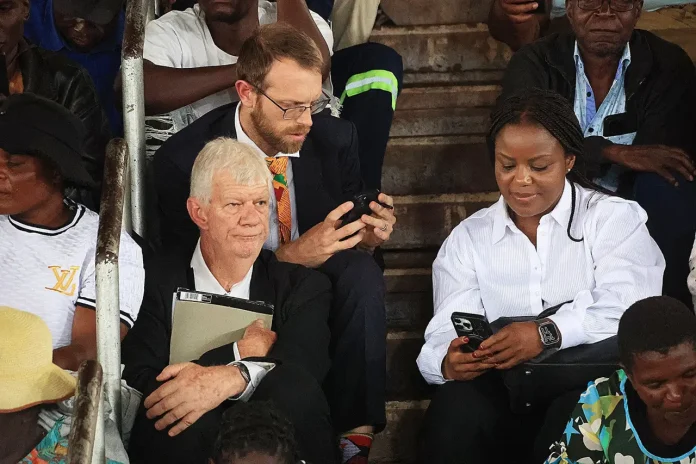
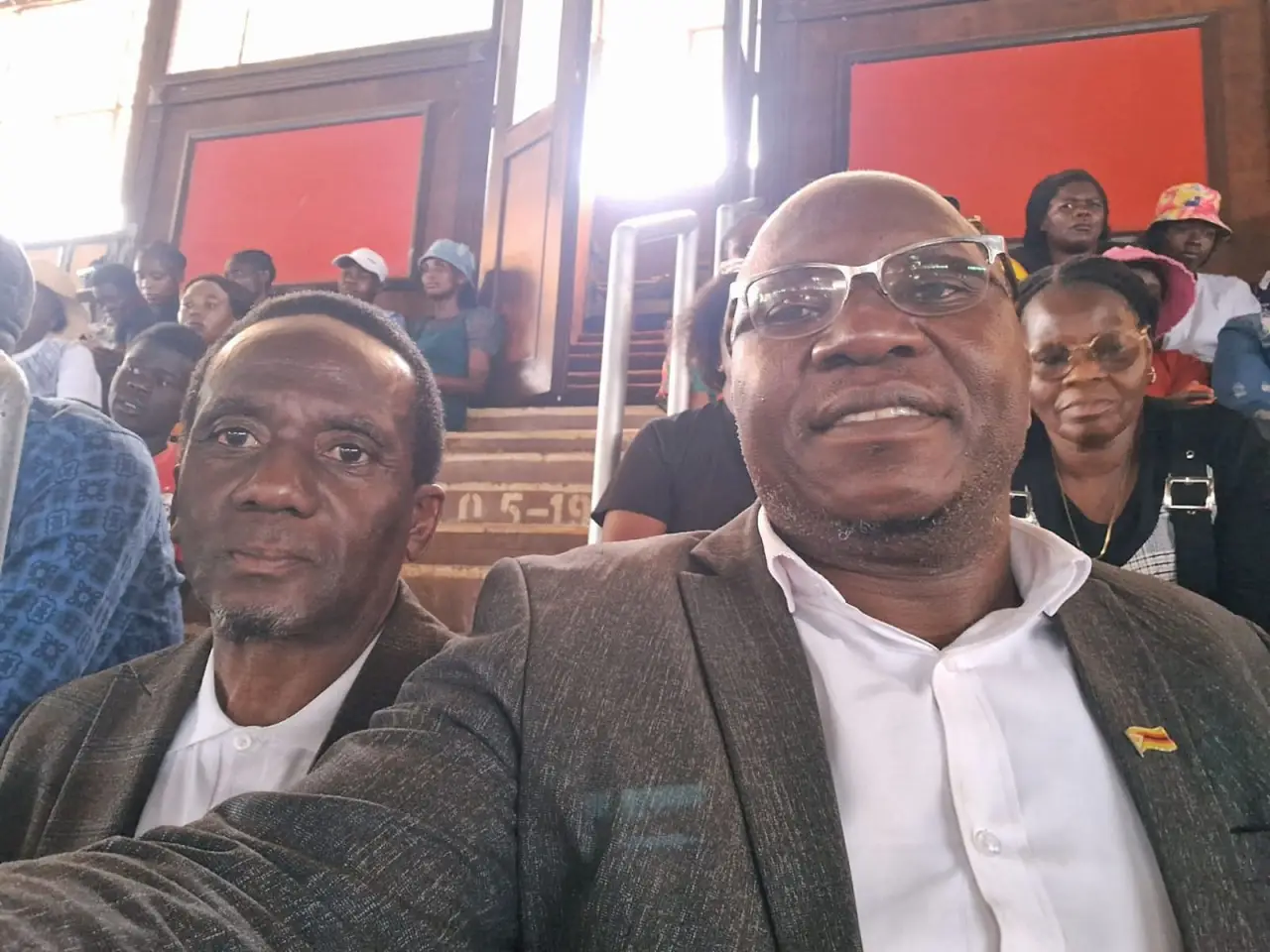
Lawyers Doug Coltart and Fadzayi Mahere seen here at the Constitutional Amendment Bill No. 3 public hearing at the City Sports Centre in Harare (Picture via X - @263Chat)

Violence broke out at a public hearing on Zimbabwe’s proposed Constitutional Amendment Bill No. 3 in Harare, leaving a prominent lawyer assaulted and several journalists injured, raising fresh concerns about the integrity of the consultation process.

Senior opposition and civic figures—including Tendai Biti, Fadzayi Mahere, Gladys Hlatywayo, Doug Coltart, Anna Sanders, Morgan Komichi and Lovemore Madhuku—were attending the hearing at the City Sports Centre, part of a nationwide consultation on proposed constitutional changes.

Lawyer Attacked Amid Disorder

Human rights lawyer Doug Coltart was assaulted during the proceedings after a group of suspected ruling party supporters disrupted the event. Witnesses said his phone was snatched and he was beaten, while attackers questioned his nationality.

Video footage from the scene captured chants directed at Coltart, alongside chaotic scenes in which journalists were caught in a stampede. Several media workers sustained injuries during the disorder.

Family and Public Figures Condemn Assault

Coltart’s father, David Coltart, condemned the attack, describing it as a “brutal assault” by a group of assailants. He said his son escaped with minor injuries, including bruising and abrasions, but had personal belongings stolen.

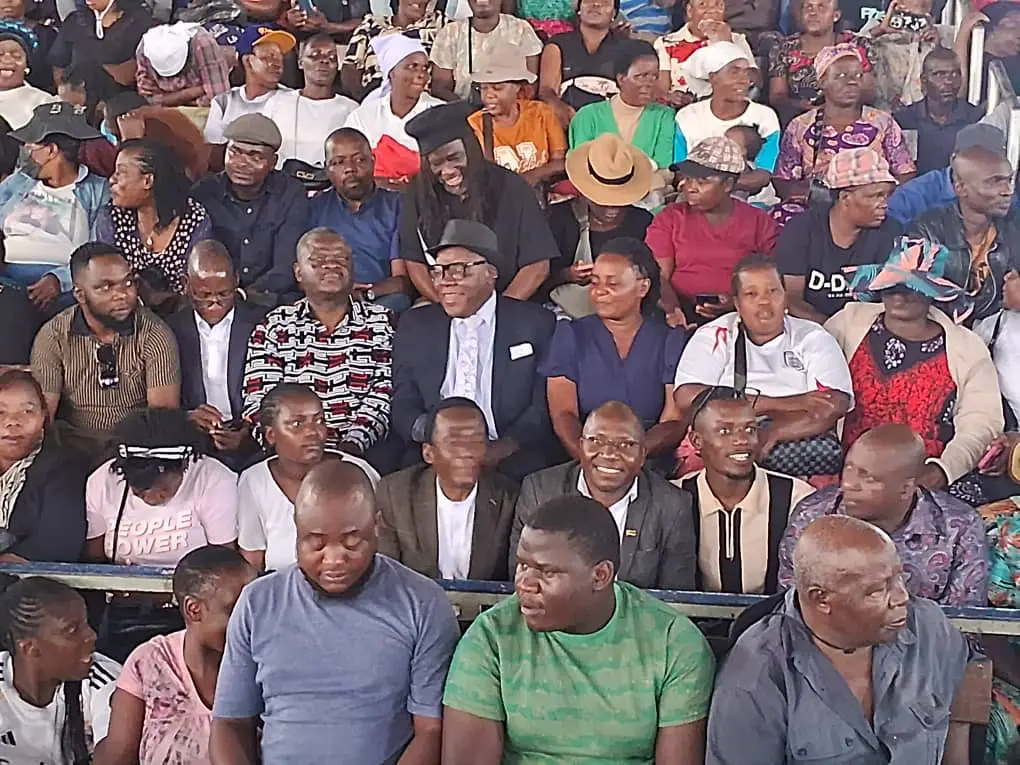
Professor Lovemore Madhuku, Morgen Komichi, Tendai Biti, Defend the Constitution Platform (DCP) leader Senator Jameson Timba and Jacob Ngarivhume attending the CAB3 Public Hearings At The City Sports Centre In Harare, 31 March 2026 (Picture via X - @NgarivhumeJ)
Professor Lovemore Madhuku, Morgen Komichi, Tendai Biti, Defend the Constitution Platform (DCP) leader Senator Jameson Timba and Jacob Ngarivhume attending the CAB3 Public Hearings At The City Sports Centre In Harare, 31 March 2026 (Picture via X – @NgarivhumeJ)

Journalist Hopewell Chin’ono said the incident reflected a breakdown in democratic norms, criticising both the violence and the intimidation of participants in a public consultation process.

Political commentator Jealousy Mawarire questioned the credibility of the hearings, arguing that violence against dissenting voices undermines claims of an inclusive national dialogue.

Former MP Temba Mliswa also condemned the incident, calling for authorities to investigate and hold those responsible accountable. He warned that such incidents risk damaging Zimbabwe’s democratic image.

Questions Over Consultation Process

The public hearings on Constitutional Amendment Bill No. 3 have drawn significant attention across Zimbabwe, with stakeholders invited to present views on proposed changes.

Defend the Constitution Platform (DCP) leader Senator Jameson Timba and Jacob Ngarivhume attending the CAB3 Public Hearings At The City Sports Centre In Harare, 31 March 2026 (Picture via X - @NgarivhumeJ)
Defend the Constitution Platform (DCP) leader Senator Jameson Timba and Jacob Ngarivhume attending the CAB3 Public Hearings At The City Sports Centre In Harare, 31 March 2026 (Picture via X – @NgarivhumeJ)

However, the violence in Harare has intensified criticism from opposition figures and civil society groups, who argue that intimidation and disorder threaten the legitimacy of the consultation process.

Authorities have not yet announced any arrests in connection with the incident.

Donald Trump tells UK and allies to ‘get your own oil’ from Strait of Hormuz

0
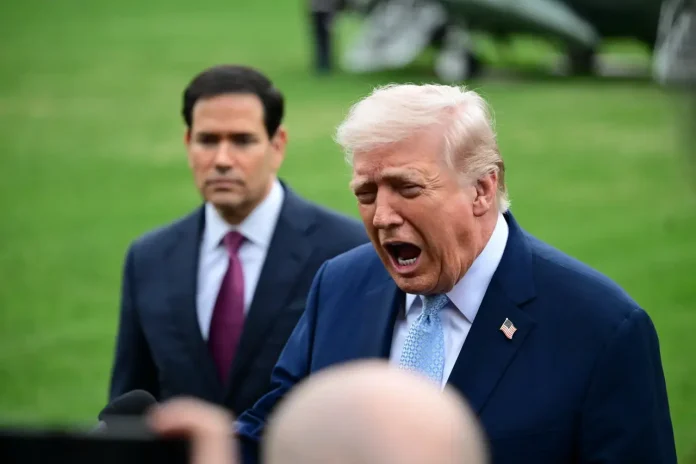
U.S. President Donald J. Trump speaks to reporters on the Strait of Hormuz, Iran, the death of Chuck Norris and news of the day while accompanied by United States Secretary of State Marco Rubio prior to departing on the South Lawn — Photo by thenews2.com via DepositPhotos.com

US President Donald Trump has criticised the United Kingdom and other allies, telling them to secure their own energy supplies rather than rely on Washington.

In a social media post, he warned that the United States may no longer guarantee protection for partners in the region.

Tensions around the Strait of Hormuz have escalated sharply, disrupting global oil flows, pushing fuel prices higher, and intensifying geopolitical strains across the Middle East and beyond.

The comments come as the strategic waterway—through which roughly one-fifth of the world’s oil supply normally passes—has been severely restricted amid ongoing conflict involving the US, Israel and Iran.

Shipping Through Hormuz Drops Dramatically

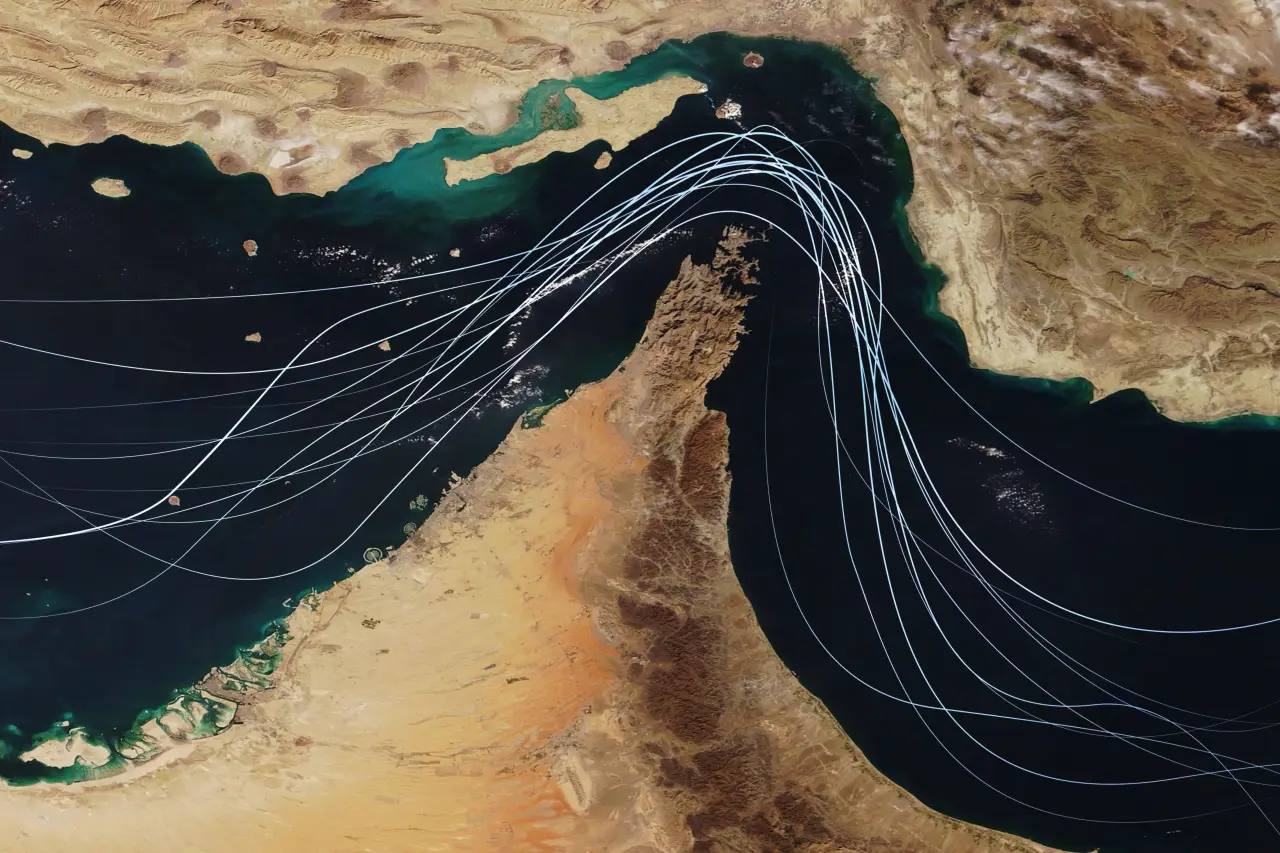
Satellite view of the Strait of Hormuz with white graphic lines representing global shipping lanes and maritime traffic between the Persian Gulf and Gulf of Oman. (Picture by AlonesDJ via DepositPhotos.com)

Maritime traffic through the strait has slowed to a fraction of normal levels. Tracking data indicates only a handful of vessels are currently making the passage each day, compared with nearly 140 daily transits before the conflict.

Recent figures suggest:

  • Just a few ships have crossed on the latest day monitored
  • Four vessels passed the day before
  • Six ships transited on Sunday
  • The weekly peak reached only 13 crossings

Shipping visibility remains limited due to widespread signal interference and vessels disabling tracking systems, making precise counts difficult.

US Defence Secretary Pete Hegseth said maritime traffic had increased compared with earlier disruptions, following claims that Iran had allowed additional vessels to pass. However, independent tracking data indicates flows remain heavily constrained.

Tanker Strike Near Dubai Raises Fears

Security concerns intensified after a Kuwaiti oil tanker was struck near Dubai, with officials attributing the attack to Iran. The vessel was reportedly carrying millions of barrels of crude.

Separately, debris from aerial interceptions has caused injuries in Dubai, highlighting how the conflict is spilling beyond traditional front lines.

Intensifying Military Campaign

The conflict has escalated with sustained strikes across the region. The Israel Defense Forces say they have targeted more than 200 sites in Iran within 24 hours, focusing on air defence systems, missile launchers and weapons infrastructure.

Israel has also continued operations in Lebanon against Hezbollah targets, with ongoing airstrikes in Beirut and southern areas. Lebanese authorities report more than 1,200 deaths and thousands injured since early March.

Israeli ground operations in Lebanon have resulted in confirmed military casualties, while the broader regional war has caused heavy losses, particularly in Iran and Lebanon.

Oil Prices Surge, Global Impact Widens

Energy markets have reacted sharply to the disruption. Brent crude prices have climbed from around $73 per barrel before the conflict to approximately $117.

The surge is feeding through to consumers worldwide:

  • US petrol prices have risen above $4 per gallon for the first time in years
  • UK fuel costs have jumped significantly, with diesel seeing the steepest increases
  • Several countries, including Sri Lanka and Bangladesh, have introduced fuel rationing
  • Slovenia has become the first EU nation to follow suit
  • Australia has cut fuel taxes and introduced temporary public transport incentives

Outlook: Prolonged Distruption Likely

With military activity ongoing and shipping still constrained, analysts warn that instability in the Strait of Hormuz could persist, keeping pressure on global energy supplies and prices.

The situation remains fluid, with risks of further escalation across multiple fronts.

Zimbabwe constitutional hearings rocked by abduction claims and violent clashes

0
In Chitungwiza, three youths who had reportedly spoken to the media against the bill were said to have been abducted and later found injured after being assaulted by suspected state security agents (Image Supplied)

Public consultations on the proposed Constitutional Amendment No. 3 (CAB3) Bill have been overshadowed by reports of violence, intimidation, and alleged abductions, raising concerns about the integrity of the outreach process.

The consultations, which opened on March 30 and will run until April 2 ahead of a parliamentary vote scheduled for May, are intended to gather public submissions on proposed changes that could, among other things, extend President Emmerson Mnangagwa’s tenure and the life of Parliament.

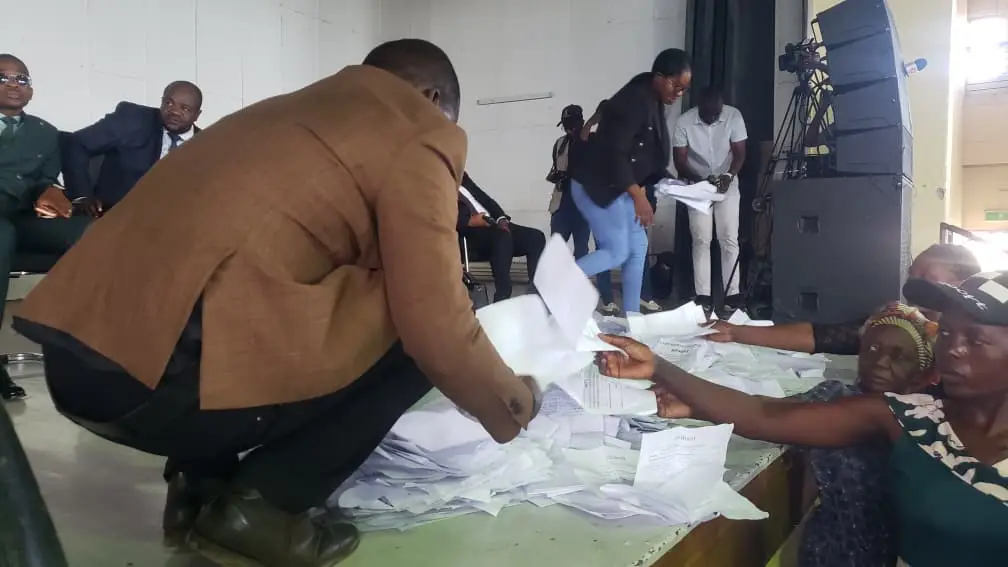
The first day of hearings was disrupted at multiple venues. In Bulawayo, proceedings at Nketa Hall broke down after a woman opposing the bill was chased from the venue and reportedly attacked outside, prompting organisers to cut the meeting short.

In Chitungwiza, three youths who had spoken to the media against the bill were reportedly abducted and later found injured, allegedly at the hands of state security agents.

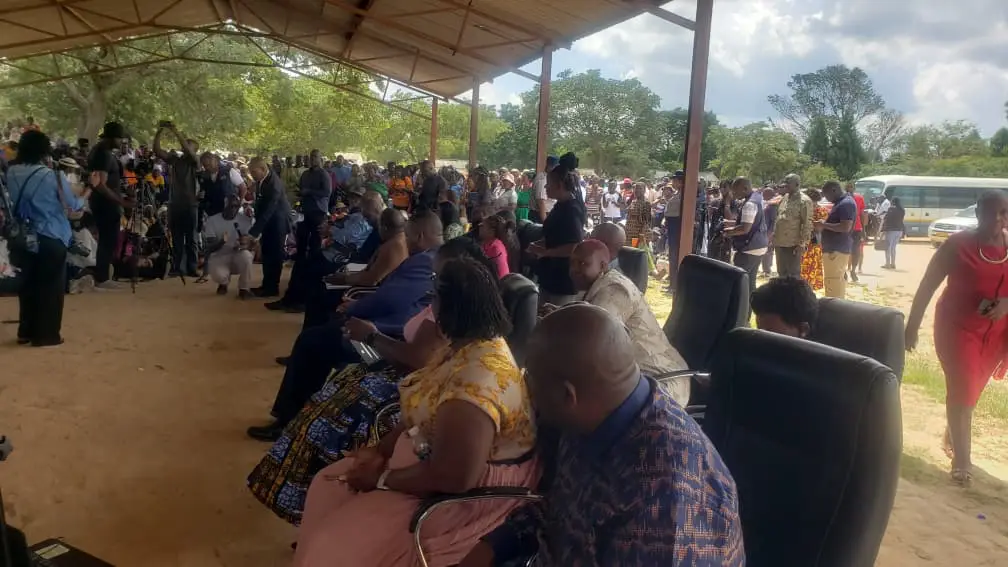
Dema Council Ground (Seke) consultation meeting, 10am-12pm. Est. 300+ attendees, mostly women, few young people. Parliament team led CAB3 consultation, but Zanu PF dominated discussion. Intimidation reported, opposition voices afraid to speak out, submitted written submissions instead. Zanu PF buses transported attendees (3 buses). Concerns raised about safety and fairness."
Dema Council Ground (Seke) consultation meeting, 10am-12pm. Est. 300+ attendees, mostly women, few young people. Parliament team led CAB3 consultation, but Zanu PF dominated discussion. Intimidation reported, opposition voices afraid to speak out, submitted written submissions instead. Zanu PF buses transported attendees (3 buses). Concerns raised about safety and fairness.”

In another incident in Bulawayo, youth activist Denford Sithole was taken by unidentified individuals shortly after presenting opposing views, and was later found in police custody, charged for wearing a Zimbabwe National Students Union (ZINASU) T-shirt.

Other activists were reportedly taken in unmarked vehicles in Bulawayo and elsewhere.

Witnesses at consultations in Harare’s satellite towns also reported that discussions were dominated by ruling party supporters.

Some attendees claimed that transport had been organised to bring participants, while dissenting voices were reluctant to speak openly, opting instead to submit written contributions.

At the Chitungwiza Aquatic Complex, observers said the atmosphere was tense, with opposing views largely silenced amid fears for personal safety.

Aquatic Complex Chitungwiza CAB3 consultation (13:20-15:00hrs). Intimidation reported, opponents of the bill silenced, mostly Zanu PF supporters spoke. Similar to Seke, concerns for safety and fairness. 3 youths abducted for speaking to media against the bill. Atmosphere tense, attendees fearful.

Opposition leaders and civil society actors have criticised the consultations as an effort to “manufacture consensus” rather than genuinely gather public opinion.

Former Finance Minister Tendai Biti described the process as “a fraudulent scam,” claiming it was intended to create the illusion of public backing for the bill.

“Parliament’s public consultation process, which commenced on Monday, is a fraudulent scam that reflects the desperation and moral bankruptcy of the ragtag team pushing Agenda 2030.

“Through capture, coercion and brute force, the regime intends to manufacture a false consensus, a fakery that citizens are behind the grotesque piece of legislation now known as Constitutional Amendment Bill No. 3, or CAB3,” Biti stated.

Legal expert Thabani Mpofu also questioned the credibility of the outreach, noting that without a national referendum, the town hall meetings amount to a “Zanu-PF engineered and self service process.”

“The effect of the town hall meetings is to give a facade of participation. It is to chlorinate the process of the amendment at the end of which Zanu-PF will argue that people participated when they knew that there would be no referendum and their views have for that reason been taken on board.

“In addition, the town hall meetings afford Zanu-PF a medium through which the people can remain focused on its unavailing processes as they fail to pursue their own strategies.

“We surely can’t spend all our time on a Zanu-PF engineered and self service process. We must instead pursue strategies aimed at countering this offense,” Advocate Mpofu noted.

Bulawayo Mayor David Coltart and former legislator Gift Siziba were among those blocked from speaking against the bill during the hearings, highlighting allegations of selective participation and intimidation.

Critics argue these practices have undermined the integrity of the consultation process and cast doubt on its legitimacy.

Teenage Hadebe suspended after TikTok video shows him holding alcohol

0
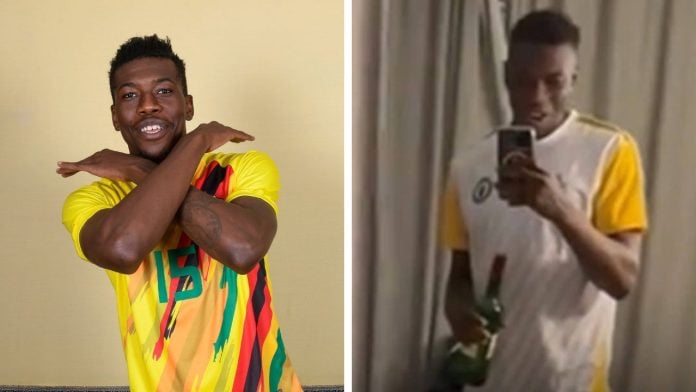
Zimbabwe defender Teenage Hadebe has been suspended after a video surfaced showing him holding alcohol while in camp (Pictures via Zimbabwe Football Association and Social Media)

Zimbabwe defender Teenage Hadebe has been suspended after a video surfaced showing him holding alcohol while in camp, breaching team rules ahead of the Mukuru Four Nations Tournament final.

The incident comes at a crucial time, with Zimbabwe set to face Zambia national football team on Tuesday at Obed Itani Chilume Stadium.

The Warriors secured their place in the final with a 3-0 victory over Botswana national football team, while Zambia advanced after defeating Malawi national football team 10-9 on penalties.

Hadebe, who plays for FC Cincinnati, was disciplined after the video circulated on TikTok during the team’s camp.

The Zimbabwe Football Association (ZIFA) confirmed he will miss the final after violating the squad’s code of conduct. Although the defender has apologised, the technical team upheld their strict stance on discipline.

Former ZIFA presidential candidate Marshall Gore now an ambassador for the association in the Diaspora also issued a statement on the issue saying;

“I was disappointed to learn of this incident. As a senior member of the national team, Teenager carries the responsibility to lead by example, both on and off the field.

“I commend ZIFA for taking decisive disciplinary action. However, while a match suspension is appropriate, it may also be necessary to consider financial sanctions—such as withholding bonuses or allowances—to reinforce accountability and deter future misconduct.

“Maintaining discipline at this level is essential for upholding the integrity and standards of the national team.

“That said Hadebe- also need support and counselling as we all make mistakes at work. #BestWishes to the Warriors against Zambia.”

Zimbabwe have further concerns in defence, with Munashe Garananga ruled out due to injury. Coach Mario Marinica said the player is still undergoing medical checks.

Isheanesu Mauchi is expected to step in, likely partnering Gerald Takwara, while Andrew Mbeba provides additional cover.

Despite the setbacks, captain Marvelous Nakamba remains confident the team can win the tournament.

Zambia coach Oswald Mutapa expects a difficult final but believes his side must take their chances.