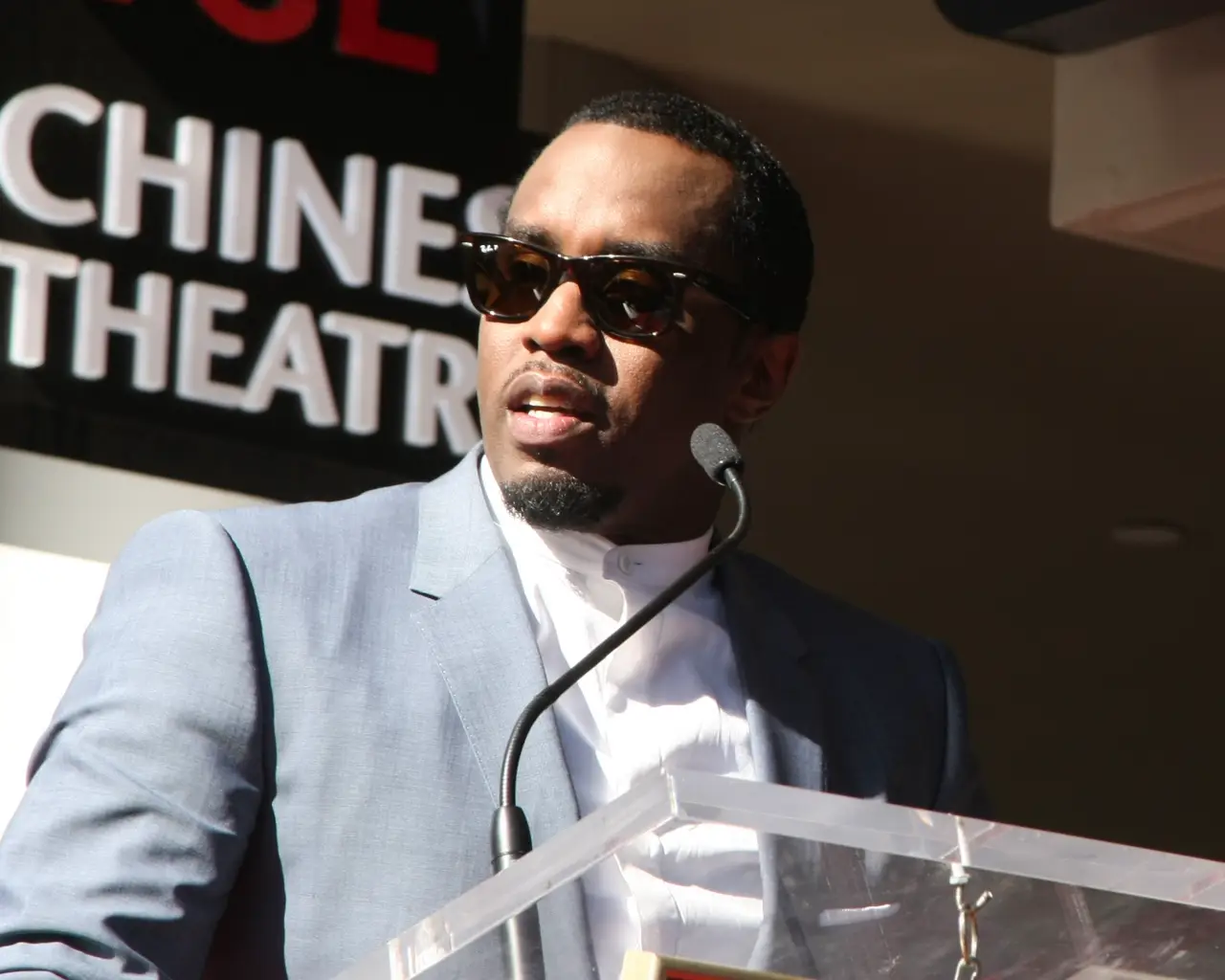
LOS ANGELES - JAN 21: Sean Combs at the LL Cool J Hollywood Walk of Fame Ceremony at the Hollywood and Highland on January 21, 2016 in Los Angeles, CA — Photo by Jean Nelson via DepositPhotos.com
LOS ANGELES – American Hip Hop mogul Sean “Diddy” Combs is furious with 50 Cent’s upcoming Netflix docuseries “Sean Combs: The Reckoning” calling it a “shameful hit piece.” He is also accusing Netflix of using “stolen footage that was never authorized for release.”
Meanwhile docuseries director Alexandria Stapleton insists the footage “came to us, we obtained the footage legally and have the necessary rights.”
“We moved heaven and earth to keep the filmmaker’s identity confidential. One thing about Sean Combs is that he’s always filming himself, and it’s been an obsession throughout the decades. We also reached out to Sean Combs’ legal team for an interview and comment multiple times, but did not hear back.”
“Quod et demonstratum, ” abbreviated as QED, is a Latin phrase meaning “that which was to be demonstrated”.
It is traditionally used at the end of mathematical proofs and philosophical arguments to signify that a proof or argument is complete.
In other words QED is placed at the conclusion of a logical proof to assert that the argument is finished and the conclusion has been validly proven.
I have previously conversed with Brighton Mutebuka over taking back sellouts, giving them leadership positions or rewarding them AHEAD of cadres who held fort and steered the struggle.
I have been hated by many RETURNEE SELLOUTS and their accomplices for sticking to my guns.
On March 25, 2020, ZANU PF LACOSTE activist, Godfrey Tsenengamu, wrote to the press, apologizing for past wrongs. He did this to prove that he had left ZANU PF. LACOSTE has always been brutal and continues its brutality on people seeking better governance.
I immediately tweeted that “people should not follow this ZANU PF project. By parroting the concerns we raised in 2000, 2001 & 2002, Tsenengamu is pretending to be a reformist. I said “Zimbabweans should NEVER be fooled again”.
The tweet of March 25, 2020 stated that “the junta now wants to legally insulate EDIOT’s tyranny by amending the national constitution”. This was long hinted by Eddie Cross.
Tsenengamu’s “return” to ZANU PF in November 2025 VINDICATES me. In Zimbabwe, the military is partisan in politics. Therefore chances that Tsenengamu is deployed to politics by Military Intelligence are extremely high.
After Tsenengamu, I post three unimpeachable examples of SELLOUTS who were allowed to return to the party they betrayed with devastating consequences.
1. Albert Mhlanga
Albert Mhlanga rejected Morgan Tsvangirai in 2005, but joined MDC-T in 2007, was allowed to be MP in 2008 ahead of loyalists who he fought on Oct 12, 2005, left for PDP in 2014, joined MDC-Alliance (MDC-A) in 2017, which became CCC 2022 and then “joined” ZANU PF in 2025.
2. Jacob Mafume
In September 2014, Jacob Mafume joined breakaway MDC Renewal Team, whose interim President was Emmerson Mnangagwa’s auntie, Sekai Holland. The Renewal Team morphed into PDP. Mafume later joined MDC-A in 2017.
Mafume became MDCA Vice National spokesperson ahead of cadres who held fort during his sojourn to PDP. After the 2023 harmonized national elections Mafume became Harare Mayor and shocked Zimbabwe by graduating at the ZANUPF Chitepo School of Ideology.
In addition to being a graduate of the ZANU PF indoctrination school, Mafume is now a fervent ZANU PF ass-licker (sikhotha sihlama se ZANU PF).
While addressing a gathering, Mafume declared:
“Water, according to our constitution, belongs to His Excellency President Mnangagwa. It is administered by central government. We are only conveyors.”
The Constitution of Zimbabwe does not say water belongs to the President.
By bum-licking Mnangagwa with fake jurisprudence, lawyer Mafume deliberately conveys a lie that water is given at Mnangagwa’s benevolence. These could be the manifest signs of graduating at the Chitepo School of Ideology.
3. Sengezo Tshabangu
There there is Professor Jonathan Moyo acolyte, Sengezo Tshabangu. In 2008, he misrepresented facts to leadership and caused MDC-T to not field a candidate for the Tsholotsho North Constituency. The lie benefited Professor Moyo who won as an independent candidate. Imagine!
After romping to victory, INGRATE Moyo sued Parliament arguing that the election for Speaker was not, as per rules, by secret ballot. Court ruled for Jonso but Hon. Lovemore Moyo of MDC-T was retained as Speaker after a poll which saw him gain a ZANU PF vote.
In 2014, Sengezo defected to the renewal lobby after his PDP comrades poured sugar in the engines of vehicles parked at the MDC-T Bulawayo (Gertrude Mthombeni) offices and engraved the walls with anti-Tsvangirai graffiti insults.
Five years later, Sengezo became a member of the MDC-A National Executive (NE). He was among individuals who were compassionately appointed to the NE on a Welshman Ncube ticket after their faction was THOROUGHLY DEFEATED at the April 17, 2019, MDC-A Provincial Congress.
On Sunday Oct 31, 2021 at 4850 Nketa 9 Township, at Alderman Ernest Rafomoyo’s house, Sengezo told members at an MDC-A anniversary celebrations party “lizasala libambe izikhundla zenu thina sesihambile lephathi yethu (you will retain your positions after we seize the party”.
A report on this incident was forwarded by party security. The odious exclusion of then MDC-A National Chairperson, Hon. Thabitha Khumalo, from the panel of speakers was also reported. Welshman Ncube was the sole speaker. Threat of seizure of MDC-A was ignored by leaders.
TODAY, Sengezo has seized CCC Zimbabwe and Parliament and has recalled duly elected legislators and councillors from office. Fearing recalls, MPs and councillors now follow Sengezo’s orders.
Sengezo now touts for MPs and councillors to support the ZANU PF 2030 Agenda, which will see Mnangagwa’s tenure of office extended to 2035.
That is why I addressed this thread to opposition Leaders to assert that my “argument” against taking back sellouts in the struggle “is finished and the conclusion has been validly proven”. QED
HARARE – Businessman Wicknell Chivayo has thrown his weight behind former Warriors captain Benjani Mwaruwari to take over as Highlanders head coach following the club’s decision to part ways with Dutchman Pieter De Jongh.
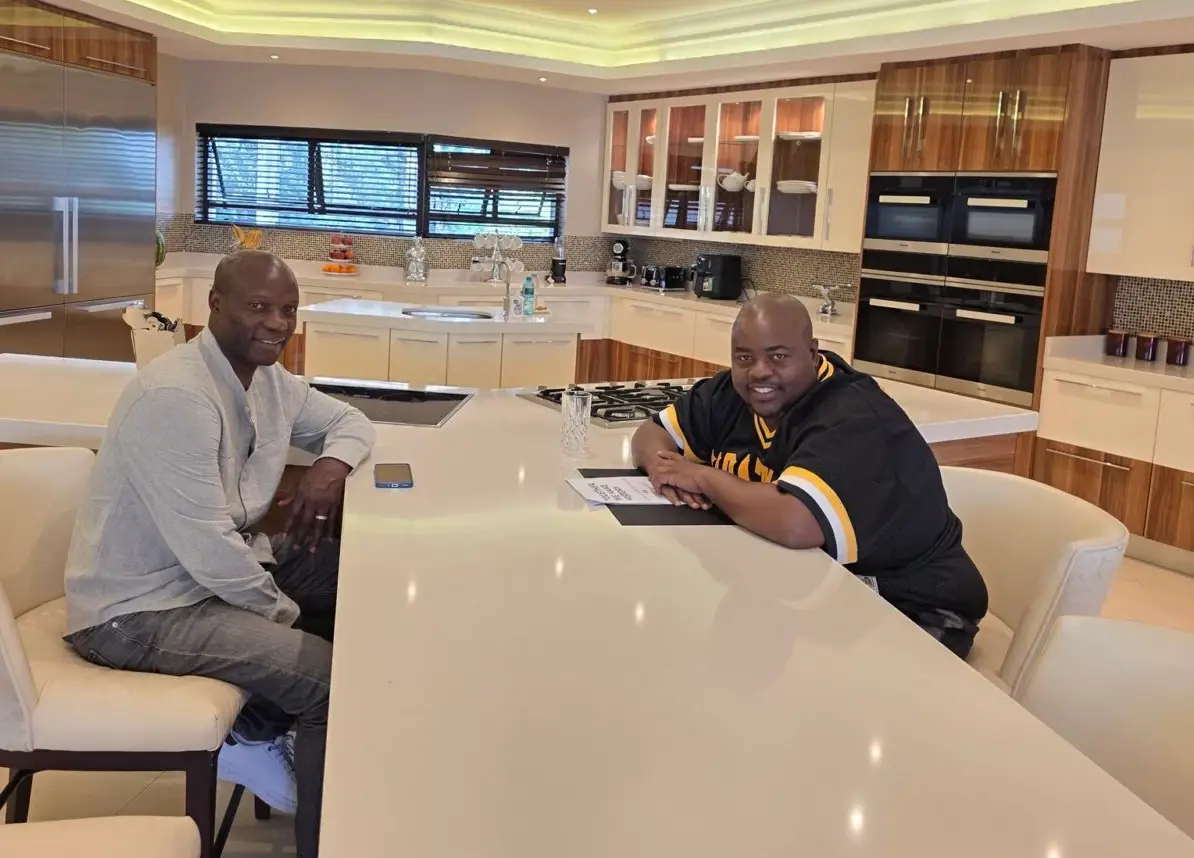
In a statement on Monday, Chivayo revealed that he hosted Mwaruwari and former Zimbabwe international Harlington Shereni for breakfast at his home over the weekend. During the discussions, he said, the idea of Benjani taking charge at Bosso emerged.
Chivayo said Mwaruwari expressed interest in the job on condition that his contractual interests were “exclusively guaranteed” by the businessman.
“I was deeply humbled by such a condition, which I also considered fair and reasonable for a football icon of his stature,” Chivayo said.
The businessman said he has since formally submitted a proposal to the Highlanders leadership offering to personally underwrite Mwaruwari’s entire remuneration package if the Bulawayo giants consider him for the role.
Wicknell Chivayo (right) with former Zimbabwe captain Benjani Mwaruwari
Chivayo said the offer – separate from his existing US$1 million donation to the club – includes a brand-new car of the former Portsmouth and Manchester City striker’s choice, along with full salary and benefits for the duration of his contract.
However, he stressed that the additional benefits would apply only if Highlanders appoint Mwaruwari.
“If the club opts for a different coach, the sponsorship package remains in place for the benefit of the team, but the additional conditions would not apply,” he said.
Mwaruwari, 46, enjoyed a high-profile playing career in Europe and South Africa before moving into coaching. His most recent job was at Ngezi Platinum Stars in 2022.
Mwaruwari has a UEFA A Licence and has been working on his UEFA Pro Licence – the level required to coach in the top flight in Zimbabwe.
Chivayo argued that Highlanders should prioritise a local coach with “technical capability and local understanding,” insisting that foreign appointments – “predominantly white coaches” – had failed to deliver consistent results.
Highlanders announced on Saturday that De Jongh would leave the club when his contract expires at the end of December.
The club has not publicly commented on Chivayo’s proposal.
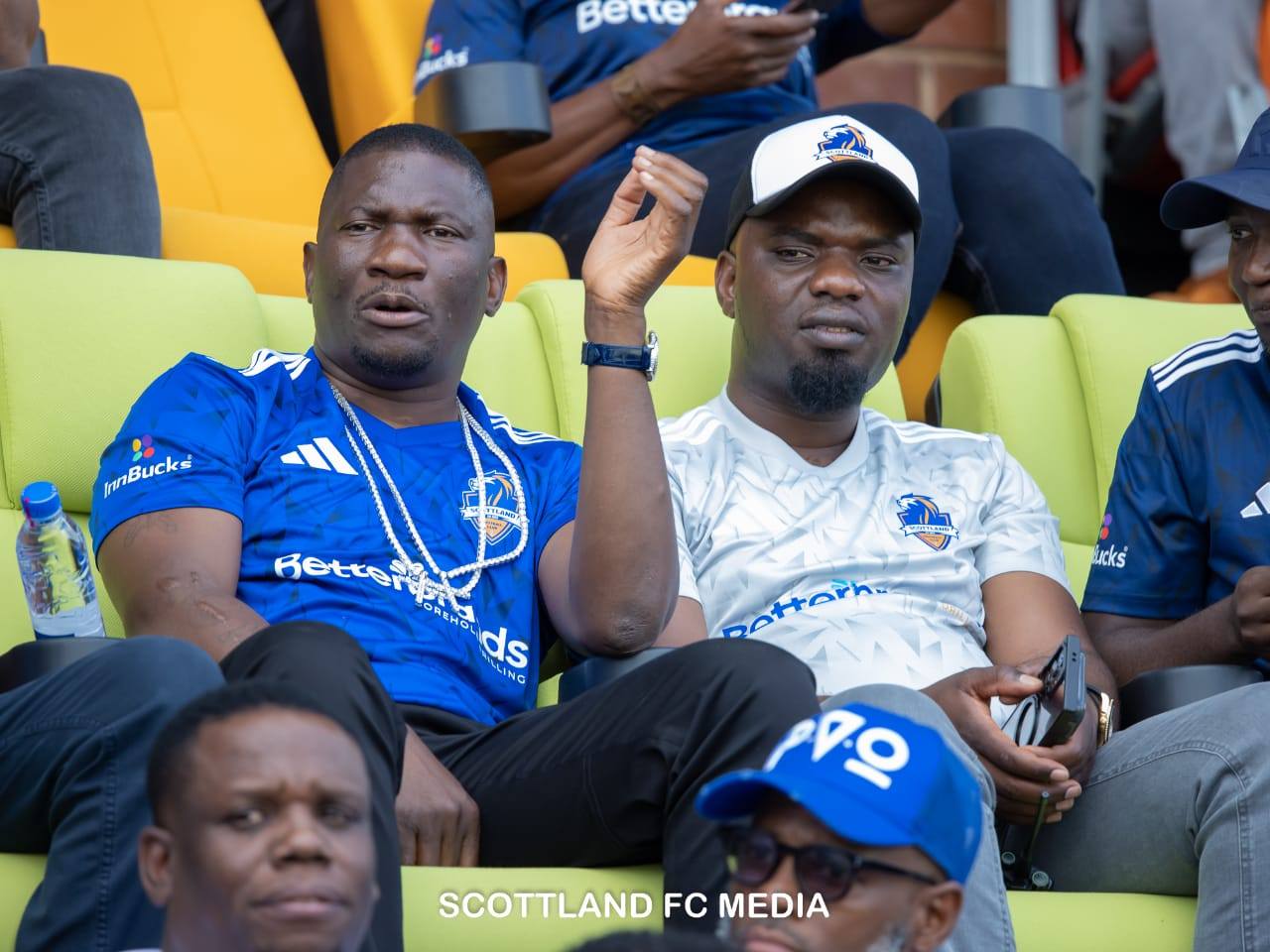
Scottland FC's gold dealer owner Scott Sakupwanya (left) (Picture via Facebook - Scottland FC)
HARARE – Castle Lager Premier Soccer League (PSL) champions Scottland FC are set to build their own home stadium at a cost of US$30 million, club president Scott Sakupwanya has revealed.
Speaking on the Scottland Magazine Show aired on YouTube, Sakupwanya said architects from Turkey who have been contracted to lead the project are expected in Zimbabwe in December.
He explained that the architects will assess two possible sites in Mabvuku and Ruwa.
Although initial reports had suggested that construction had already begun in Mabvuku, Sakupwanya clarified that no work has started yet.
He added that he personally hopes Mabvuku will be chosen but emphasised that the final decision lies with the architects.
The special edition of the show opened with a performance by Jah Prayzah.
Draped in a blue Scottland jersey, blue jeans and a black beanie, the musician delivered an acoustic rendition of Chiremerera.
Wearing a navy-blue blazer, Sakupwanya smiled throughout the performance, clapping enthusiastically before appearing momentarily overwhelmed by the moment.
Sakupwanya also revealed that construction of a School of Excellence for the club’s academy is underway in Ruwa.
He said Scottland intend to draw talent from their academy to feed into the senior team.
He admitted that during their debut season they signed many of the league’s top players, resulting in a bloated squad.
Some players will be released after 31 December when their contracts expire.
Sakupwanya concluded by saying that everything the club is doing is inspired by top South African clubs such as Mamelodi Sundowns and Orlando Pirates.
Zimbabwe Football Association (ZIFA) president Nqobile Magwizi and Chief Executive Officer, Yvonne Mapika Manwa during an Extraordinary General Meeting (EGM) in Harare, 28 March 2025 (Picture via ZIFA)
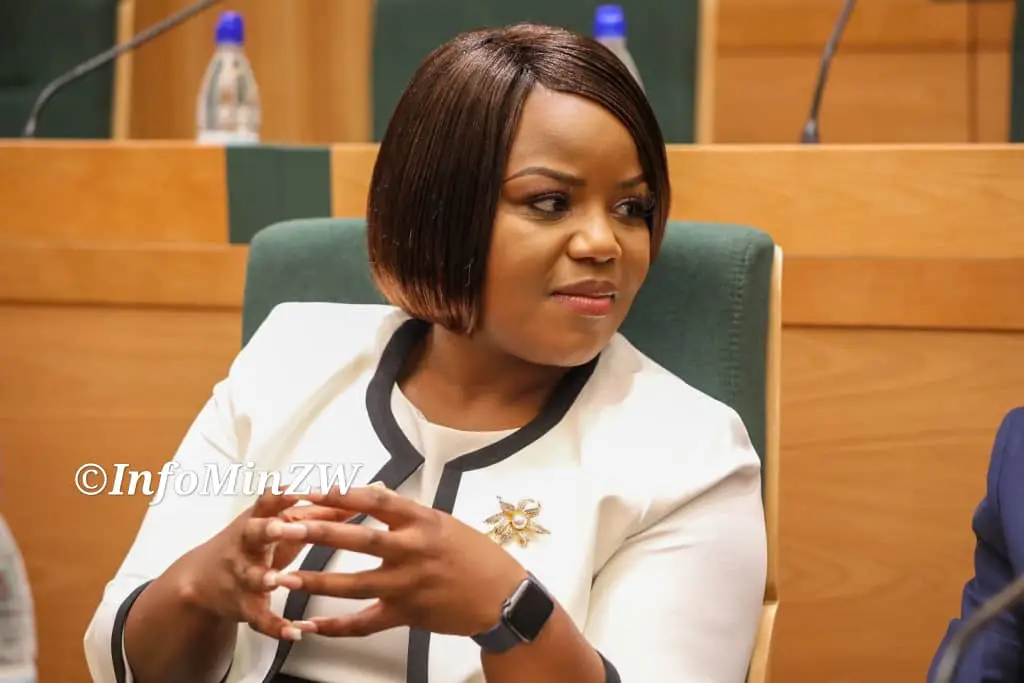
HARARE – The Zimbabwe Football Association (ZIFA) is set to part ways with its Chief Executive Officer, Yvonne Mapika Manwa, at the end of her contract in December 2025.
The development was confirmed by the association through an official statement which read:
“The Zimbabwe Football Association (ZIFA) announces that Chief Executive Officer Ms Yvonne Manwa will conclude her tenure at the end of her contract in December 2025.
“Appointed by the ZIFA Normalisation Committee, Ms Manwa has provided steady and purposeful leadership at a pivotal time of reform and rebuilding for Zimbabwean football.
“Under her leadership, ZIFA recorded several major achievements including the development and adoption of a new ZIFA Constitution, the successful conduct of electoral processes that ushered in the current Executive Committee, the facilitation of a Memorandum of Understanding with the Sports and Recreation Commission, the comprehensive restaffing of the secretariat, the launch of the ZIFA Women’s Football Strategy (2025–28), and the seamless return of Zimbabwe to full international football participation — punctuated by the Senior Men’s National Team’s qualification for AFCON 2025.
“Having guided ZIFA through an extensive period of institutional renewal, Ms Manwa has elected to conclude her contract and pave the way for a successor who will build on this strong platform and lead Zimbabwean football into its next phase of growth.
“ZIFA expresses its sincere appreciation for her dedicated service, strategic insight and substantial contribution to the rebuilding of our game.
“We are encouraged that her expertise will remain within the football community. She will continue to support the sport in a consultancy capacity, focusing on women’s leadership and organisational development within the COSAFA region, drawing on the valuable experience gained at ZIFA.
“The ZIFA Executive Committee will soon begin the process of identifying and appointing a successor to ensure a smooth and effective transition. We invite the entire football fraternity and the nation to join us in recognising Ms Manwa’s service and wishing her every success in her future endeavours.”
Former legislators Fadzayi Mahere and Temba Mliswa (Pictures via facebook - Fadzayi Mahere and X - Temba Mliswa)
HARARE – Former legislators Fadzayi Mahere and Temba Mliswa have clashed over the place of social media in Zimbabwe’s political discourse, with each accusing the other of inconsistency in how they use online platforms to raise national issues.
Mliswa, a former Norton MP, criticised Mahere for what he described as “playing to the public gallery,” arguing that issues she raises on social platforms should instead be addressed in Parliament.
He said Mahere had “betrayed” the Mt Pleasant electorate by resigning her seat, adding that her departure handed the constituency to Zanu-PF despite her winning with a margin of more than 12,000 votes in the 2023 elections.
He further accused her of focusing on “populism” and personal criticism of political leaders and public figures, saying such commentary would be more meaningful if backed by “criminal accusations with evidentiary support.”
“The many issues you continue to raise on this wild platform are the very issues which you were voted for to raise in Parliament, which is a legitimate platform that facilitates for concrete results towards national development,” Mliswa stated.
“However, it seems your politics now amounts only to playing to the public gallery and feasting on the adulation that comes with populism with no care for concrete results.
“You betrayed the support of those who sacrificed much for your candidature and dumped your constituency in a petulant manner. Those are the leaders we don’t want; weak and undependable.”
Mliswa also said Mahere’s decision to resign after her party leader stepped down reflected “weak and undependable” leadership.
Mahere responded by questioning Mliswa’s stance against social media-based advocacy.
She referenced a previous phone conversation in which Mliswa claimed he had “finished (exiled former cabinet minister) Jonathan Moyo,” asking whether he had done so in Parliament or on social media.
She argued that his own record of criticising politicians online contradicts his assertion that concerns should only be raised in legislative forums.
Mahere also noted that despite losing the Norton parliamentary constituency, Mliswa continues to raise political issues on X (formerly Twitter), and asked why, by his own logic, he does not leave such matters to the sitting MP.
She stated: “Now that the people of Norton rejected you and are no longer in Parliament, does it mean you can no longer raise issues you deem important?
“If your reasoning is correct, why do you attack top Zanu-PF politicians here day and night? Why don’t you keep quiet and ask your MP to raise your gripes in Parliament?
“In light of this, do you not agree that this was a bit of a potato-head argument to raise, respectfully? Can you please engage with the substance of what I asked?”
Mayor of Bulawayo David Coltart speaking at the King George VI Centre in Bulawayo in 2018 (Picture via Facebook - Prudence Mabhena)
BULAWAYO – Mayor David Coltart has publicly endorsed a pastoral statement issued by the Zimbabwe Heads of Christian Denominations (ZHOCD) opposing proposed amendments to abortion provisions under the Medical Services Bill.
In a brief note released on Saturday, Coltart said he had “noted the attached statement” and “respectfully associate myself with and endorse[d] their comments,” aligning himself with the concerns raised by the country’s major Christian bodies.
The ZHOCD, which represents churches across Zimbabwe, warned that the proposed reforms would significantly widen access to abortion and, in their view, undermine long-standing legal, cultural, and theological protections for unborn life.
In their pastoral letter, the church leaders described the amendments as a “serious constitutional and moral challenge” and urged the Christian community to oppose what they characterised as an attempt to “expand and liberalise abortion in Zimbabwe.”
According to the pastoral statement, the proposed amendments would allow girls under 18 to access abortion on request up to 20 weeks and permit minors of any age to undergo the procedure without parental knowledge.
The church leaders have also objected to provisions that would remove spousal notification for married women and enable adults to obtain abortion on request within the same 20-week limit.
They further warned that broad mental-health clauses could open the door to late-term abortions and potentially enable sex-selective or disability-based terminations.
Other concerns included reduced reporting requirements, the authorisation of abortions by a single medical practitioner, and what they fear could be increased vulnerability of girls and women to abuse in the absence of parental or law-enforcement involvement.
In their appeal, the ZHOCD urged Christians nationwide to defend what they described as biblical and cultural values regarding the sanctity of life.
They called on believers to engage Members of Parliament, pray for national leaders, and reject reforms they say would “dismantle long-standing protections” and introduce “abortion on request” into the country.
“Zimbabwe has consistently upheld the sanctity of life. Our Constitution, culture, and shared spiritual values affirm this commitment.
The proposed amendments to the Medical Services Bill would dismantle long-standing protections and introduce abortion on request into our nation. For the sake of our moral integrity and social stability, these changes must be rejected,” the church stated.
Former Mt Pleasant MP Fadzayi Mahere and disabled musician Greatman Tongai Gwaze (Pictures via Facebook - Fadzayi Mahere and Greatman Music)
The exchange between musician Greatman Tongai Gwaze and former opposition legislator Fadzayi Mahere has become more than a viral moment on social media.
It is a lens through which Zimbabwe’s fraught politics, fragile welfare systems, and the performative theatre of charity can be examined. This is not only a story about 20 wheelchairs. It is a story about optics, power, moral authority, and the human cost of systemic failure.
On 26 November 2025, Greatman, who lives with muscular dystrophy and is a prominent figure in Zimbabwean music, received 50 wheelchairs and brand new Mahindra vehicles from President Emmerson Mnangagwa at a highly publicised event.
The gesture was framed as support for disabled content creators.
President Emmerson Mnangagwa pictured here wheeling away musician Greatman Tongai Gwaze with Youth Empowerment Minister Tinoda Machakaire (right) – Picture via X – National Arts Council of Zimbabwe)
Images of Mnangagwa personally wheeling Greatman circulated widely, with social media commentators praising the president’s compassion. Yet to others, the spectacle appeared as political theatre, with disability and mobility reduced to props in a photo opportunity.
Earlier, Vice President Constantino Chiwenga’s wife, Minnie Baloyi, had quietly donated 20 wheelchairs and US$2000 to Greatman’s initiative.
Her act, largely unpublicised, underscores the disparate scale and visibility of charitable contributions in Zimbabwe where some aid is quietly effective and other aid becomes highly symbolic.
Just days after the presidential event, Greatman publicly requested that Fadzayi Mahere donate 20 wheelchairs to his foundation. His open letter was polite but loaded with implication: the critic of the ruling party should demonstrate moral equivalence by participating in charity.
This appeal immediately sparked debate. Was it a legitimate request from a community leader, or a strategic move leveraging a public figure to counter opposition critique?
Mahere responded on X, formerly Twitter, with a scathing critique of Zimbabwe’s disability support system rather than a direct pledge. She highlighted the lack of a robust policy framework for the 9,5 percent of Zimbabweans living with disabilities.
She noted that taxation on wheelchairs and Braille materials continues even as billions are lost annually to corruption. She warned the disabled community not to be manipulated by political spectacle, stating that systemic reform is more important than episodic handouts.
From one perspective, Greatman’s request was understandable. He is a disability rights advocate striving to meet urgent needs in a country where social welfare structures have largely collapsed. Immediate aid saves lives and improves mobility in the here and now.
For beneficiaries, 20 wheelchairs are transformational. From another perspective, Mahere’s response aligns with long-term justice. It exposes systemic failures and reframes the conversation around institutional accountability rather than individual generosity.
Yet this is where the debate becomes complicated. Mahere’s critique, while principled, also introduced an element of coldness that cannot be ignored. After all the threads about policy and dignity, imagine if she quietly returned and purchased one or two wheelchairs herself.
Overnight, the narrative could have shifted dramatically. Optics matter in politics, particularly in Zimbabwe where leaders are often judged by gestures more than philosophy. A small act could have amplified her message while demonstrating compassion in practice.
Instead, her refusal opened her to criticism. Some citizens viewed her as distant, out of touch, or elitist. Polished threads appeared as shields for something less noble. Lecturing a nation grappling with basic survival while a man publicly asks for mobility is a risky move.
Timing, audience, and empathy are critical in politics. Zimbabweans, exhausted by decades of mismanagement and performative leadership, want public figures who can blend principle with tangible compassion.
Mahere’s stance, however correct analytically, risked alienating the very constituency she aims to represent. The saga reinforced doubts about whether she fully grasps the everyday realities of those she seeks to champion.
At the same time, the criticism of Mahere is not absolute. Her refusal underscores a fundamental truth. In Zimbabwe, systemic failures cannot be solved by the generosity of a few.
Charity from leaders, while well-intentioned, often acts as a veneer that masks institutional rot. State-funded handouts, flashy events, and photo opportunities substitute for policy, infrastructure, and rights-based inclusion.
Greatman, in alignment with state benefactors, is simultaneously a voice for the disabled and a participant in a theatre that highlights the gaps left by governance failure.
Analysing the positions side-by-side reveals a tension between principle and pragmatism. Greatman prioritises immediate relief, using visibility and state support to meet urgent needs.
Mahere prioritises structural justice, advocating for long-term solutions over episodic philanthropy. Each position has pros and cons.
Wheelchairs today save lives and improve independence today, but reliance on private actors and political optics risks entrenching inequality and dependency. Critique alone exposes problems but risks appearing cold or detached from human suffering.
Zimbabwe’s disability sector remains precarious. Census data shows high levels of visual and physical impairment, especially in rural areas where mobility aids are scarce. Only one in three disabled children attends school.
Social welfare offices are underfunded and largely invisible. Tax policies make assistive devices more expensive, while corruption siphons billions that could fund a national disability register, grants, or accessible infrastructure.
Against this backdrop, Mahere’s refusal emerges as a principled stance, but it is inevitably weighed against human empathy and public perception.
The broader implications extend beyond this saga. The political playbook is evident. Use generosity to curry favour, target opposition figures with public appeals to reinforce dependency narratives, and manage optics while leaving systemic issues unresolved.
Mahere’s stance challenges this model, but it also exposes her to charges of tone deafness. Zimbabweans often judge leaders less by arguments won than by moments fumbled.
The refusal to meet Greatman’s request, however justified in principle, becomes a symbolic misstep that will be remembered as much as her critique.
Ultimately, the Mahere-Greatman episode is both a cautionary tale and a case study in governance, politics, and optics. It demonstrates the collision of principle and pragmatism, charity and justice, optics and substance.
Greatman’s initiative is noble and urgently needed. Mahere’s critique is rigorous and essential. Yet both are entangled in a context of political theatre, structural neglect, and public scrutiny.
Zimbabwe will continue to oscillate between symbolic generosity and real systemic reform. Until the country builds institutions that guarantee rights over handouts, such episodes will recur, leaving the disabled caught between policy debates and immediate needs.
Gabriel Manyati is a hard-hitting journalist and analyst delivering incisive commentary on politics, human interest stories, and current affairs.
Finance, Economic Development and Investment Promotion Minister Mthuli Ncube (Picture via X - Ministry of Finance)
HARARE – The Government of Zimbabwe’s decision to introduce an intermediated money transfer tax (IMTT) on cash withdrawals has drawn warnings from economists and policy analysts, who say the measure risks undermining already-fragile public confidence in the banking system.
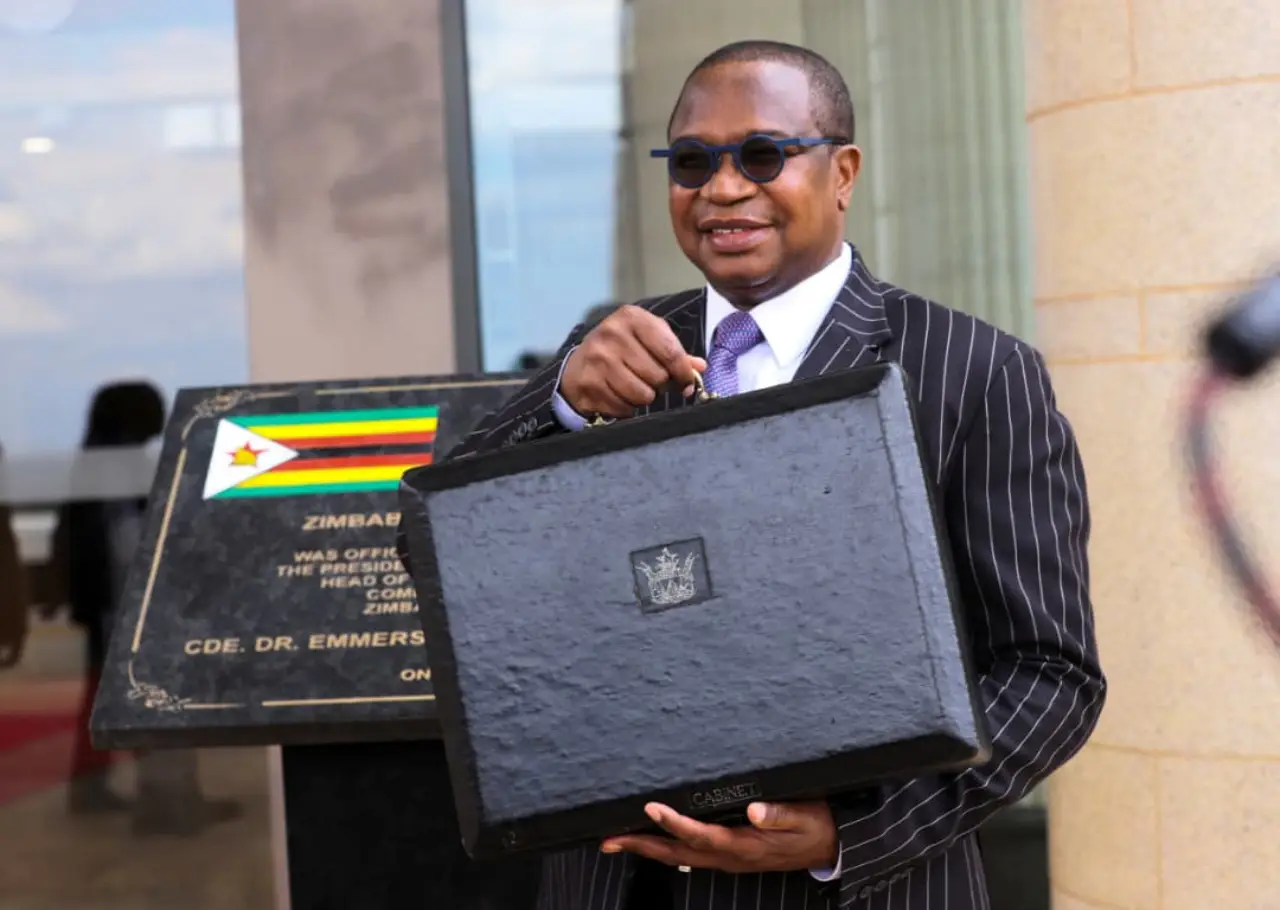
Presenting the 2026 National Budget in Parliament on Thursday, Finance, Economic Development and Investment Promotion Minister Mthuli Ncube announced that the IMTT, previously levied largely on electronic transfers, will now also apply to cash withdrawals.
The move forms part of a broader overhaul of the tax, which also includes lowering the ZiG-denominated IMTT rate from 2% to 1.5% and maintaining the 2% levy on foreign currency transactions.
Analysts say the introduction of a withdrawal tax could have significant unintended consequences, particularly in an economy where banking confidence remains low and cash circulation is often preferred over electronic payments.
Professor Gift Mugano during an episode of Real Talk hosted by Zimbabwe Coalition on Debt and Development -ZIMCODD
Renowned economist Professor Gift Mugano warned that the withdrawal levy would discourage depositors from banking money, undermining liquidity within the formal financial system.
“People will not bank money. If they don’t bank the money, how will your retailers get credit?”
Mugano said, adding that the new charge could push more economic activity into informal cash-based markets.
“How is the budget progressive when Treasury increases VAT and maintains IMTT – this will be passed on to customers at higher prices.
“This will militate against sustainability of the retail sector-the general public will choose Tuckshops ahead of formal shops because your formal shops will be expensive,” he said.
Former Citizens Coalition for Change (CCC) MP for Mt Pleasant, Fadzayi Mahere, seen here after being sworn in at the New Parliament Building in Mt Hampden, September 2023. (Picture via Ministry of Information, Publicity and Broadcasting Services)
Former opposition legislator and policy analyst Fadzayi Mahere also criticised the measure, describing it as punitive for ordinary Zimbabweans already facing some of the highest banking charges in the region.
Mahere argued that the tax sends the wrong signal in an environment where citizens are already reluctant to use formal banking channels.
“Why are you introducing a tax for withdrawing cash when bank charges are already so extortionate? Can you not see that you’re going to disincentivise use of the banking system?” Mahere wrote.
“In normal countries, banking money earns you interest, in Zimbabwe, why do you punish people for using formal banking channels?”
Mahere also alleged that politically connected individuals often operate outside the formal banking system, making the withdrawal tax disproportionately burdensome on ordinary depositors.
Business groups have echoed these concerns, arguing that Zimbabwe’s tax regime, already viewed as one of the most burdensome in the region, is creating incentives for businesses and consumers to avoid formal structures.
Employers Confederation of Zimbabwe and Zimbabwe National Chamber of Commerce have long called for the IMTT to be abolished rather than expanded, citing its distortionary impact on transactions and business liquidity.
Even the ruling Zanu-PF itself, at its recent Annual People’s Conference in Mutare, went as far as passing a resolution urging that the tax be scrapped, an unusual admission from the ruling party of the hardship the IMTT has inflicted.
While Ncube acknowledged that the IMTT has become distortionary in a dual-currency environment, he defended the measure on the grounds of fiscal stability, noting that the tax contributes about 8% of total revenue annually.
He said the government would continue to monitor and review the tax as part of broader efforts to improve competitiveness and the ease of doing business.
“These compliance conditions will ensure that the benefit of deductibility accrues only to tax-compliant operators, thereby reinforcing ongoing efforts to broaden the tax base and encourage formalisation of businesses,” Ncube said.
“These measures are expected to result in an estimated revenue forgone of approximately US$89 million per annum, representing a fiscal adjustment consistent with prudent management. These measures take effect from January 1, 2026.”
Analysts have, however, cautioned that the combination of the new withdrawal tax, unchanged 2% IMTT on USD electronic transactions, and the budget’s 0.5% Value Added Tax increase may further erode confidence in the formal economy and push consumers toward informal markets where transaction costs are lower.
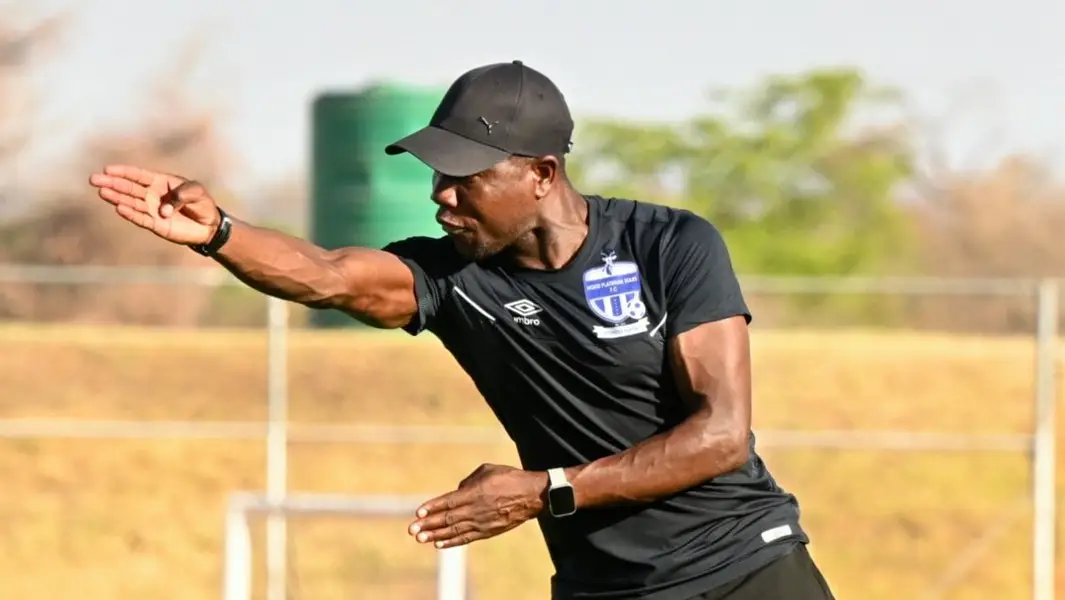
Mhondoro based premier soccer league outfit, Ngezi Platinum Stars appointed Takesure Chiragwi as their new substantive coach on a three-year-deal in 2022. He has now joined CAPS United (Picture via X - Ngezi Platinum Stars)
HARARE – Former champions CAPS United have appointed Takesure Chiragwi as their new head coach and Tinashe Nengomasha as team manager for the 2026 season.
Chiragwi was unveiled by Makepekepe on Friday in Harare, a month after being suspended by his former employers Ngezi Platinum Stars and subsequently fined US$4,000 by the Premier Soccer League (PSL) for slapping one of his players during a league match against Dynamos at Rufaro Stadium in October.
The appointment also comes after he had already been involved with CAPS United a few months ago.
His assistant will be Ian Bakala, who helped CAPS United survive relegation after taking over from Lloyd Chitembwe in the just ended season.
Meanwhile, former Zimbabwe Warriors captain Nengomasha has been confirmed as the new team manager.
The former Kaizer Chiefs midfielder also worked with Chiragwi at Ngezi Platinum.
Makepekepe have also announced their new signings for the 2026 season, which include Davison Marowa, Wallace Magalane, Obriel Chirinda and Nyasha Gurende, among others.