Home Blog Page 2

Donald Trump tells UK and allies to ‘get your own oil’ from Strait of Hormuz

0
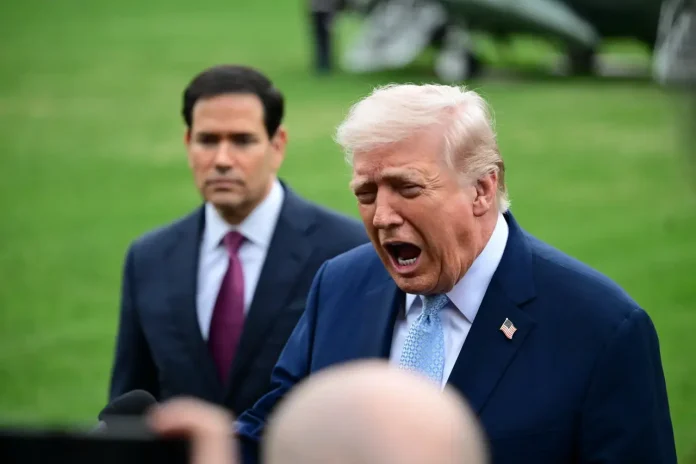
U.S. President Donald J. Trump speaks to reporters on the Strait of Hormuz, Iran, the death of Chuck Norris and news of the day while accompanied by United States Secretary of State Marco Rubio prior to departing on the South Lawn — Photo by thenews2.com via DepositPhotos.com

US President Donald Trump has criticised the United Kingdom and other allies, telling them to secure their own energy supplies rather than rely on Washington.

In a social media post, he warned that the United States may no longer guarantee protection for partners in the region.

Tensions around the Strait of Hormuz have escalated sharply, disrupting global oil flows, pushing fuel prices higher, and intensifying geopolitical strains across the Middle East and beyond.

The comments come as the strategic waterway—through which roughly one-fifth of the world’s oil supply normally passes—has been severely restricted amid ongoing conflict involving the US, Israel and Iran.

Shipping Through Hormuz Drops Dramatically
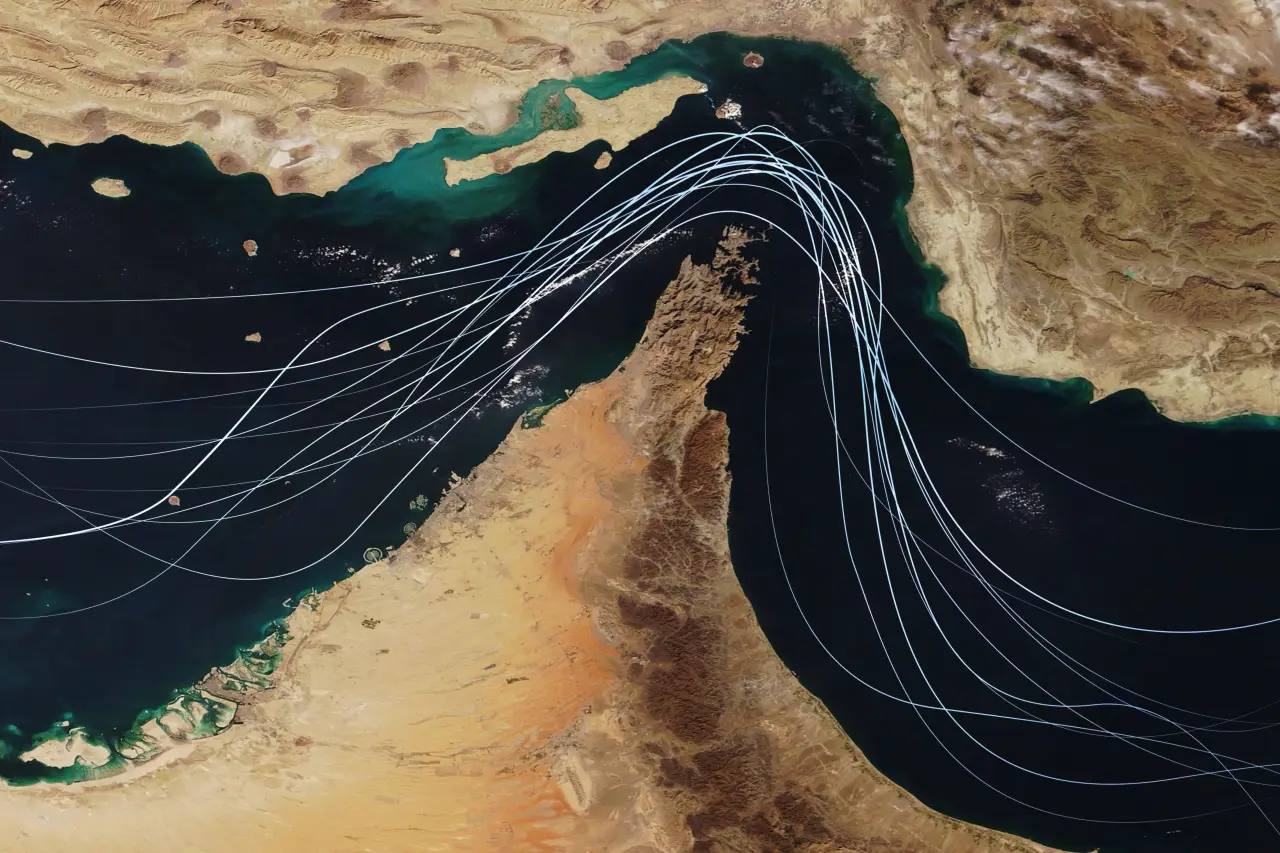
Satellite view of the Strait of Hormuz with white graphic lines representing global shipping lanes and maritime traffic between the Persian Gulf and Gulf of Oman. (Picture by AlonesDJ via DepositPhotos.com)

Maritime traffic through the strait has slowed to a fraction of normal levels. Tracking data indicates only a handful of vessels are currently making the passage each day, compared with nearly 140 daily transits before the conflict.

Recent figures suggest:

  • Just a few ships have crossed on the latest day monitored
  • Four vessels passed the day before
  • Six ships transited on Sunday
  • The weekly peak reached only 13 crossings

Shipping visibility remains limited due to widespread signal interference and vessels disabling tracking systems, making precise counts difficult.

US Defence Secretary Pete Hegseth said maritime traffic had increased compared with earlier disruptions, following claims that Iran had allowed additional vessels to pass. However, independent tracking data indicates flows remain heavily constrained.

Tanker Strike Near Dubai Raises Fears

Security concerns intensified after a Kuwaiti oil tanker was struck near Dubai, with officials attributing the attack to Iran. The vessel was reportedly carrying millions of barrels of crude.

Separately, debris from aerial interceptions has caused injuries in Dubai, highlighting how the conflict is spilling beyond traditional front lines.

Intensifying Military Campaign

The conflict has escalated with sustained strikes across the region. The Israel Defense Forces say they have targeted more than 200 sites in Iran within 24 hours, focusing on air defence systems, missile launchers and weapons infrastructure.

Israel has also continued operations in Lebanon against Hezbollah targets, with ongoing airstrikes in Beirut and southern areas. Lebanese authorities report more than 1,200 deaths and thousands injured since early March.

Israeli ground operations in Lebanon have resulted in confirmed military casualties, while the broader regional war has caused heavy losses, particularly in Iran and Lebanon.

Oil Prices Surge, Global Impact Widens

Energy markets have reacted sharply to the disruption. Brent crude prices have climbed from around $73 per barrel before the conflict to approximately $117.

The surge is feeding through to consumers worldwide:

  • US petrol prices have risen above $4 per gallon for the first time in years
  • UK fuel costs have jumped significantly, with diesel seeing the steepest increases
  • Several countries, including Sri Lanka and Bangladesh, have introduced fuel rationing
  • Slovenia has become the first EU nation to follow suit
  • Australia has cut fuel taxes and introduced temporary public transport incentives

Outlook: Prolonged Distruption Likely

With military activity ongoing and shipping still constrained, analysts warn that instability in the Strait of Hormuz could persist, keeping pressure on global energy supplies and prices.

The situation remains fluid, with risks of further escalation across multiple fronts.
Zimbabwe constitutional hearings rocked by abduction claims and violent clashes

0
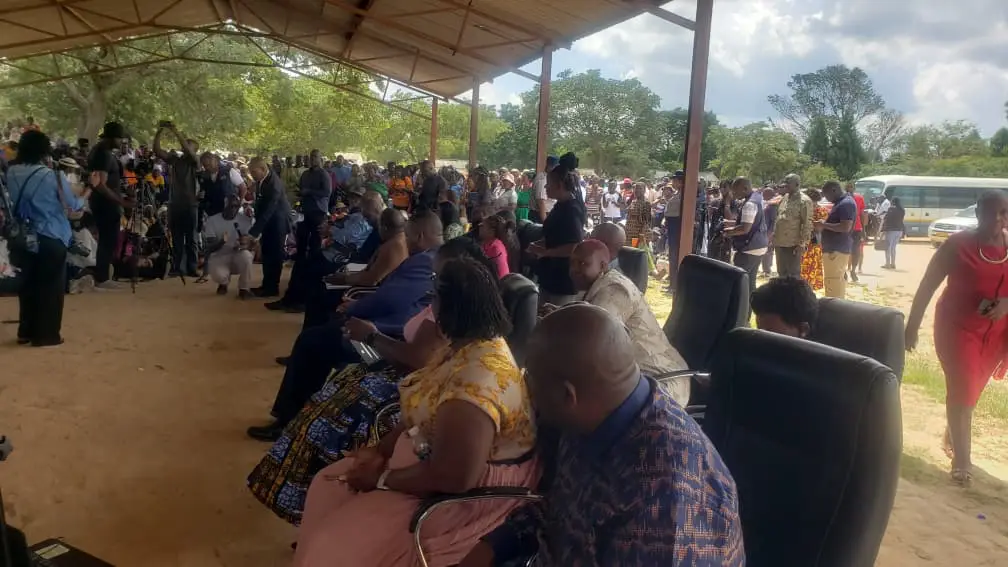
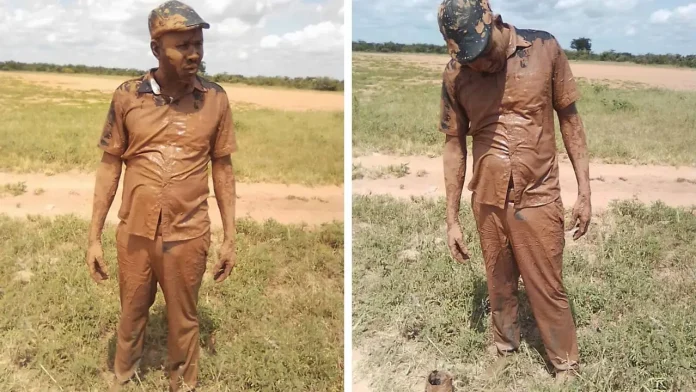
In Chitungwiza, three youths who had reportedly spoken to the media against the bill were said to have been abducted and later found injured after being assaulted by suspected state security agents (Image Supplied)

Public consultations on the proposed Constitutional Amendment No. 3 (CAB3) Bill have been overshadowed by reports of violence, intimidation, and alleged abductions, raising concerns about the integrity of the outreach process.

The consultations, which opened on March 30 and will run until April 2 ahead of a parliamentary vote scheduled for May, are intended to gather public submissions on proposed changes that could, among other things, extend President Emmerson Mnangagwa’s tenure and the life of Parliament.

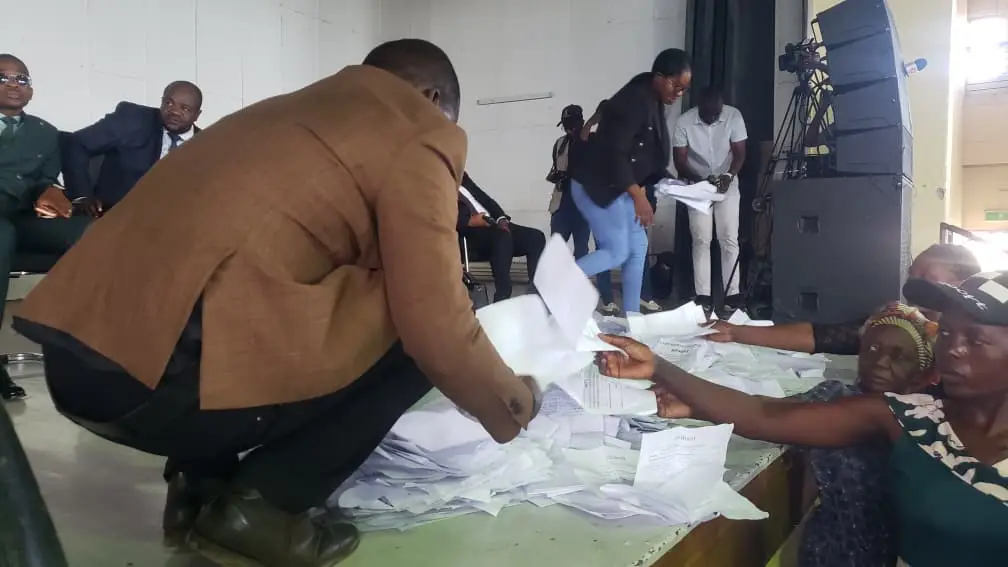
The first day of hearings was disrupted at multiple venues. In Bulawayo, proceedings at Nketa Hall broke down after a woman opposing the bill was chased from the venue and reportedly attacked outside, prompting organisers to cut the meeting short.

In Chitungwiza, three youths who had spoken to the media against the bill were reportedly abducted and later found injured, allegedly at the hands of state security agents.

Dema Council Ground (Seke) consultation meeting, 10am-12pm. Est. 300+ attendees, mostly women, few young people. Parliament team led CAB3 consultation, but Zanu PF dominated discussion. Intimidation reported, opposition voices afraid to speak out, submitted written submissions instead. Zanu PF buses transported attendees (3 buses). Concerns raised about safety and fairness."
Dema Council Ground (Seke) consultation meeting, 10am-12pm. Est. 300+ attendees, mostly women, few young people. Parliament team led CAB3 consultation, but Zanu PF dominated discussion. Intimidation reported, opposition voices afraid to speak out, submitted written submissions instead. Zanu PF buses transported attendees (3 buses). Concerns raised about safety and fairness.”

In another incident in Bulawayo, youth activist Denford Sithole was taken by unidentified individuals shortly after presenting opposing views, and was later found in police custody, charged for wearing a Zimbabwe National Students Union (ZINASU) T-shirt.

Other activists were reportedly taken in unmarked vehicles in Bulawayo and elsewhere.

Witnesses at consultations in Harare’s satellite towns also reported that discussions were dominated by ruling party supporters.

Some attendees claimed that transport had been organised to bring participants, while dissenting voices were reluctant to speak openly, opting instead to submit written contributions.

At the Chitungwiza Aquatic Complex, observers said the atmosphere was tense, with opposing views largely silenced amid fears for personal safety.

Aquatic Complex Chitungwiza CAB3 consultation (13:20-15:00hrs). Intimidation reported, opponents of the bill silenced, mostly Zanu PF supporters spoke. Similar to Seke, concerns for safety and fairness. 3 youths abducted for speaking to media against the bill. Atmosphere tense, attendees fearful.

Opposition leaders and civil society actors have criticised the consultations as an effort to “manufacture consensus” rather than genuinely gather public opinion.

Former Finance Minister Tendai Biti described the process as “a fraudulent scam,” claiming it was intended to create the illusion of public backing for the bill.

“Parliament’s public consultation process, which commenced on Monday, is a fraudulent scam that reflects the desperation and moral bankruptcy of the ragtag team pushing Agenda 2030.

“Through capture, coercion and brute force, the regime intends to manufacture a false consensus, a fakery that citizens are behind the grotesque piece of legislation now known as Constitutional Amendment Bill No. 3, or CAB3,” Biti stated.

Legal expert Thabani Mpofu also questioned the credibility of the outreach, noting that without a national referendum, the town hall meetings amount to a “Zanu-PF engineered and self service process.”

“The effect of the town hall meetings is to give a facade of participation. It is to chlorinate the process of the amendment at the end of which Zanu-PF will argue that people participated when they knew that there would be no referendum and their views have for that reason been taken on board.

“In addition, the town hall meetings afford Zanu-PF a medium through which the people can remain focused on its unavailing processes as they fail to pursue their own strategies.

“We surely can’t spend all our time on a Zanu-PF engineered and self service process. We must instead pursue strategies aimed at countering this offense,” Advocate Mpofu noted.

Bulawayo Mayor David Coltart and former legislator Gift Siziba were among those blocked from speaking against the bill during the hearings, highlighting allegations of selective participation and intimidation.

Critics argue these practices have undermined the integrity of the consultation process and cast doubt on its legitimacy.

Teenage Hadebe suspended after TikTok video shows him holding alcohol

0
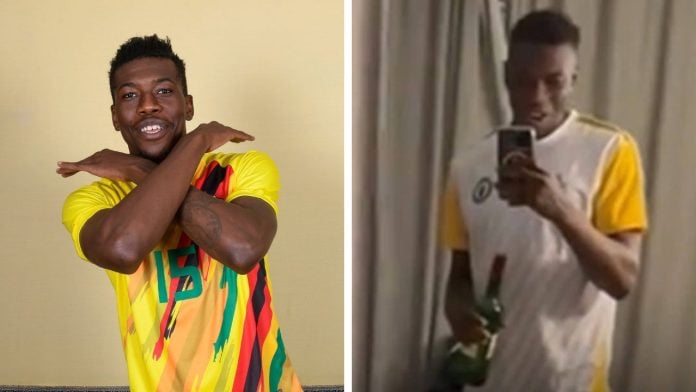
Zimbabwe defender Teenage Hadebe has been suspended after a video surfaced showing him holding alcohol while in camp (Pictures via Zimbabwe Football Association and Social Media)

Zimbabwe defender Teenage Hadebe has been suspended after a video surfaced showing him holding alcohol while in camp, breaching team rules ahead of the Mukuru Four Nations Tournament final.

The incident comes at a crucial time, with Zimbabwe set to face Zambia national football team on Tuesday at Obed Itani Chilume Stadium.

The Warriors secured their place in the final with a 3-0 victory over Botswana national football team, while Zambia advanced after defeating Malawi national football team 10-9 on penalties.

Hadebe, who plays for FC Cincinnati, was disciplined after the video circulated on TikTok during the team’s camp.

The Zimbabwe Football Association (ZIFA) confirmed he will miss the final after violating the squad’s code of conduct. Although the defender has apologised, the technical team upheld their strict stance on discipline.

Former ZIFA presidential candidate Marshall Gore now an ambassador for the association in the Diaspora also issued a statement on the issue saying;

“I was disappointed to learn of this incident. As a senior member of the national team, Teenager carries the responsibility to lead by example, both on and off the field.

“I commend ZIFA for taking decisive disciplinary action. However, while a match suspension is appropriate, it may also be necessary to consider financial sanctions—such as withholding bonuses or allowances—to reinforce accountability and deter future misconduct.

“Maintaining discipline at this level is essential for upholding the integrity and standards of the national team.

“That said Hadebe- also need support and counselling as we all make mistakes at work. #BestWishes to the Warriors against Zambia.”

Zimbabwe have further concerns in defence, with Munashe Garananga ruled out due to injury. Coach Mario Marinica said the player is still undergoing medical checks.

Isheanesu Mauchi is expected to step in, likely partnering Gerald Takwara, while Andrew Mbeba provides additional cover.

Despite the setbacks, captain Marvelous Nakamba remains confident the team can win the tournament.

Zambia coach Oswald Mutapa expects a difficult final but believes his side must take their chances.

Mnangagwa reproducing the very conditions that facilitated Mugabe’s downfall

0
Harare,Zimbabwe,18 November 2017. Flag waving anti-Mugabe protesters taking selfies in front of an army truck during anti -Mugabe demostrations in solidarity with the miullitary intervention. — Photo by Maboss283 via DepositPhotos.com

British historian Lord Acton once plainly stated, “power tends to corrupt and absolute power corrupts absolutely.” That sincere observation gives a precise diagnosis of Emmerson Mnangagwa’s unraveling presidency in Zimbabwe.

Over the course of 2024 and 2025, I outlined several scenarios regarding the so-called “2030 agenda” and its implications for succession dynamics within both the ruling party and the state.

What once appeared speculative has since hardened into a menacingly dangerous political project. Dangerous for the future of the country and to its very architects.

Since the beginning of the year, events have taken a decisive and alarming turn. The 2030 agenda has become an overt campaign to subvert the will of the people of Zimbabwe.

At the core is the determination to unconstitutional extend Mnangagwa’s presidential term beyond its lawful end in 2028 to 2030, coupled with proposals to fundamentally alter the electoral cycle to seven years.

This is not merely administrative tinkering as proponents claim but a deliberate restructuring of the constitutional order to serve narrow political ends.

I will not belabor the legal arguments. They are, in truth, straightforward. The scale and nature of the proposed changes would, at minimum, require two referendums. What is far more revealing, and far more consequential, is the political logic underpinning this maneuver.

Beneath the procedural theater lies a reckless gamble. An attempt to consolidate personal power at the expense of institutional legitimacy. It is a gamble that may yield short-term control, but one that is almost certain to unravel in the long run.

Mnangagwa may well deploy the full weight of incumbency, leveraging state institutions, coercive apparatuses, and the vast resources of the public purse, to bulldoze through these changes.

His loyalists may choreograph performative “public hearings,” manufacture consent, and engineer parliamentary outcomes dressed up as democratic process. Yet such exercises cannot manufacture legitimacy. They merely expose its absence.

After September 2028, no amount of procedural manipulation or political theater will justify even a single additional day of rule under the guise of constitutional authority.

There is a deeper irony at play, one that borders on political amnesia. Mnangagwa himself ascended to power through a military-assisted transition, a coup, precipitated by Robert Mugabe’s refusal to manage succession and his systematic closure of political pathways within both party and state.

That moment was justified, in part, as a corrective to precisely the kind of political stagnation and elite entrenchment we are now witnessing again.

It is therefore perplexing, if not deeply cynical, that Mnangagwa appears intent on reproducing the very conditions that facilitated Mugabe’s downfall. What a tragedy!

The structural realities he faces make this project even more untenable. Mnangagwa governs within an already fragmented ruling party, where factionalism is not a possibility but a defining feature.

As succession anxieties intensify, these factions will not dissipate, they will harden. They will compete, maneuver, and destabilise in pursuit of post-Mnangagwa power. At 83 years old they have every reason to think of such a possibility in the short-term.

In such a context, the attempt to indefinitely postpone succession is not a strategy for stability; it is an accelerant for internal conflict. Clinging to power under these conditions is not only misguided, it is profoundly self-defeating.

Beyond the internal dynamics of the ruling elite lies the broader crisis of legitimacy, both political and economic, that continues to define Mnangagwa’s tenure.

Politically, his administration has entrenched a repressive state apparatus that systematically constrains democratic space, silences dissent, and undermines basic civil liberties.

Economically, the government has failed to deliver meaningful improvements in the lives of ordinary Zimbabweans. Instead, the country remains mired in deepening poverty, worsening inequality, and an onerous tax burden imposed on an already struggling population.

At the same time, a narrow class of politically connected elites has flourished. The Mnangagwa presidency has been remarkably beneficial for tenderpreneurs and networks of grand corruption, who have accumulated vast wealth through opaque state contracts and extractive practices.

These actors are not passive beneficiaries; they are active enablers of the current constitutional assault. They fund it, legitimise it, and cheer it on, not out of ideological commitment, but out of material interest.

Yet history is replete with examples of such alliances collapsing under the weight of their own excesses. The very forces sustaining this power grab today may well be consumed by its consequences tomorrow.

It is entirely plausible that, in the short term, this unconstitutional project may succeed. The machinery of the state, after all, is a powerful instrument. But political victories secured through coercion and manipulation are inherently fragile.

They carry within them the seeds of their own undoing. Those driving this agenda, whether in government, party structures, or business networks, must reckon with the reality that they are not merely bending the rules; they are mutilating the very framework that underpins political order. And when that framework collapses, accountability, however delayed, becomes inevitable.

For Mnangagwa himself, the path forward need not end in crisis. There remains an opportunity, however narrow, to step back from the brink, to respect constitutional limits, to allow for an orderly transition, and to secure a legacy that is not defined solely by overreach and repression.

The alternative is far less dignified. To be remembered as a leader who, in pursuit of absolute power, hastened the erosion of the very system he once claimed to reform.

Pride Mkono is a political analyst and writes here in his own capacity.

World’s largest asset manager BlackRock adjusts stake in Zimbabwe’s Caledonia

0
New York, NY - April 9, 2023 : Blackrock investment management office building entrance name logo at 53rd Street corporate headquarters in Midtown, Manhattan — Photo by Kasasagi Productions via DepositPhotos.com

BlackRock, the world’s largest asset manager with market capitalisation of over US$169 Billion, has reported a change in its shareholding in Caledonia Mining Corporation Plc, a Zimbabwe-listed gold producer that is also listed on the New York Stock Exchange, crossing a regulatory threshold that requires disclosure.

According to a notice released on March 30, 2026, Caledonia said it received notification from BlackRock on March 27 that the threshold had been crossed a day earlier, on March 26, in line with the AIM Rules for Companies governing major shareholding disclosures.

The notification indicates that BlackRock’s total interest in Caledonia now stands at 6.55% of voting rights, equivalent to 1,265,920 shares.

This comprises 5.18% held directly through shares and 1.37% through financial instruments, including securities lending arrangements and contracts for difference (CFDs).

The latest position reflects only a marginal change from BlackRock’s previous holding of 6.56%, although the composition of that stake has shifted. Direct shareholding increased from 4.93% to 5.18%, while exposure through financial instruments declined from 1.63% to 1.37%.

The disclosure was made as part of standard regulatory requirements triggered when an investor’s voting rights cross specific thresholds.

Caledonia Mining Corporation, which is also listed on London’s AIM market and the Victoria Falls Stock Exchange (VFEX), said the notification was received in the ordinary course of compliance reporting.

Last week, Caledonia Mining Corporation Plc reported a 46% increase in revenue to US$267.7 million for the financial year ended December 31, 2025, driven by higher gold prices and stable production.

Gold sales rose modestly to 79,075 ounces, while the average realised gold price surged to US$3,383 per ounce, underpinning strong financial performance, improved profitability and robust cash generation.

The group recorded significant gains across key earnings metrics, with gross profit nearly doubling to US$137.1 million and EBITDA rising sharply to US$125.3 million.

Profit after tax jumped 193% to US$67.5 million, while net cash from operating activities increased to US$76.2 million and free cash flow climbed to US$62.1 million.

The balance sheet strengthened notably, with the company ending the year in a net cash position of US$23.8 million compared to a net debt position in 2024.

Operationally, Blanket Mine maintained steady output at 76,213 ounces, with additional contributions from the Bilboes oxide operation.

The company also advanced its growth strategy, completing a feasibility study for the Bilboes sulphide project and continuing exploration at Motapa.

Looking ahead, Caledonia expects 2026 production at Blanket Mine to range between 72,000 and 76,500 ounces, as it targets becoming a multi-mine producer while maintaining operational stability and financial flexibility.

Public hearings on bill to extend Mnangagwa’s term marred by exclusion claims

0
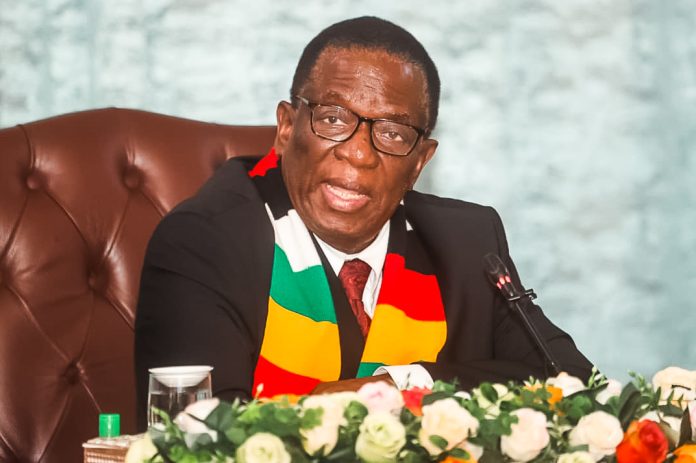
President Emmerson Mnangagwa presiding over the last cabinet meeting of 2025 (Picture via X - @edmnangagwa)

Public consultations on the proposed Constitution of Zimbabwe (Amendment) Bill (No. 3), 2026 which seeks to extend President Emmerson Mnangagwa’s tenure have been overshadowed by allegations of exclusion and bias, with several political figures and citizens claiming they were denied the opportunity to contribute during outreach meetings held across the country.

In Bulawayo on Monday, Mayor David Coltart said he was prevented from speaking at a public consultation meeting held at City Hall.

Coltart alleged that despite arriving on time, sitting in the front row, and repeatedly raising his hand to contribute, he was ignored by the chairperson.

“The Chair of the meeting studiously ignored both Judith Todd and me. I was there on time, sat in the front row, put my hand up every time a call was made for people to contribute, and stood up with my hand raised when it was clear the Chair was studiously ignoring me.

“The meeting was brought to an abrupt end at about 11.30 and as a result both Judith Todd and I were denied the right to contribute and give our views,” he said.

Similar concerns were raised by former opposition legislator Gift Ostallos Siziba, who said he was also denied the opportunity to speak at a separate hearing in Nketa.

Siziba further alleged that some participants had been transported from outside Bulawayo, including from Matobo and Umguza, and were selectively given the floor.

“I was denied the opportunity to speak and contribute at the Constitutional Bill hearing in Nketa by the openly biased chairperson.

“People bused in from Matobo and Umguza were selectively given the opportunity to speak, yet many of them appeared unsure of what to say and simply repeated rehearsed slogans,” he said.

“We pushed back and expressed our total rejection of the bill!”

Concerns over the conduct of the hearings escalated following reports that a youth activist, Denford Sithole, was allegedly taken by unidentified individuals shortly after making a presentation opposing the bill at a meeting in Bulawayo.

His colleague was later released, while Sithole’s whereabouts remained unclear at the time of reporting.

The developments have prompted criticism from civil society actors, who argue that public hearings are constitutionally mandated platforms meant to ensure citizen participation in legislative processes.

They warn that any perceived intimidation or exclusion risks undermining the legitimacy of both the consultation process and the proposed law itself.

The Bill seeks to introduce wide-ranging changes to the country’s governance framework. Authorities say the reforms are intended to strengthen democratic structures, improve institutional efficiency, and promote long-term political stability.

Key proposals include shifting the election of the President from a direct popular vote to a parliamentary system, where Members of Parliament elect the Head of State. The Bill also seeks to extend the terms of both the President and Parliament from five to seven years.

Further provisions would transfer voter registration and management of the voters’ roll from the Zimbabwe Electoral Commission to the Registrar-General, while creating a new Zimbabwe Electoral Delimitation Commission responsible for drawing electoral boundaries.

The Bill also proposes increasing the number of Senators, altering judicial appointment procedures, and dissolving constitutional bodies such as the Zimbabwe Gender Commission and the National Peace and Reconciliation Commission, with some of their functions reassigned to other institutions.

While proponents argue the changes will enhance governance and policy continuity, critics contend that some provisions such as extending presidential term could weaken democratic oversight and centralise power.

Zimbabwean comedy star Nigel Tha Slick Pastor set for Manchester comeback

0
Zimbabwean comedy export Nigel Tha Slick Pastor is preparing to light up stages across the world (Picture via Facebook - Nigel Slick Marintinyu)

Zimbabwean comedy export Nigel Tha Slick Pastor is preparing to light up stages across the world, with Manchester set to receive him straight after his much‑anticipated Australian tour in May.

The popular funnyman, real name Nigel Maritinyu, will bring his brand‑new show, ‘UNFINISHED BUSINESS’, to the UK city as part of his growing international footprint.

Nigel’s forthcoming Australian run — which will see him perform in Melbourne, Perth and Brisbane — has already created a buzz among fans abroad. But for Manchester audiences, the excitement is doubled, because they have experienced his magic before.

During his last visit, Nigel left Mancunians in tears of laughter, with crowds “gagging for more” as he delivered powerful punchlines, sharp observational comedy and that razor‑sharp storytelling that has become his signature.

Many joked that the Zimbabwean funnyman exposed their whole life stories on stage with surgical precision.

But despite the roaring reception, Nigel felt his mission was incomplete.

“There were still stories I hadn’t told, new perspectives I’d grown into, even secrets that needed the microphone,” he said. “So the business wasn’t fully finished.”

That feeling sparked his upcoming show.

‘UNFINISHED BUSINESS’ will be Nigel’s first major appearance immediately after Australia, and he says he is returning to Manchester with amplified energy.

“Manchester has a special energy,” Nigel told Nehanda Radio. “The people there show me so much love, and I can’t wait to come back with even bigger laughs, deeper stories and brand‑new moments. I’m genuinely excited — this one means a lot to me.”

The Slick Pastor promises a show packed with:
• brand‑new UK‑tailored material
• hilarious stories from life on the road
• spontaneous crowd interaction
• wholesome family‑friendly humour
• and that unmistakable blend of warmth, wit and pastor‑style motivation that has won him fans globally

He will also give his comedic take on world events, including the question many are asking online: Are we creeping towards World War 3?

And if anyone can make global chaos sound funny — and strangely comforting — it is Nigel.

With his world tour about to kick off and his creative spark at an all‑time high, the Manchester stop promises to be vibrant, heartfelt and absolutely unmissable.

Nigel is determined to finish what he started — and this time, no joke, no story and no secret will be left unfinished.

Tickets are now available on general sale at: https://www.thaslickpastor.com

Tiger Woods arrested after Florida car crash, faces DUI and refusal charges

0
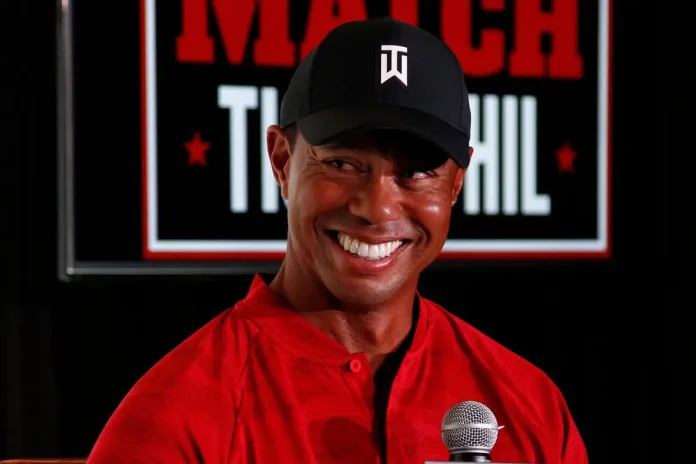
Tiger Woods on stage for Tiger Woods and Phil Mickelson THE MATCH Press Conference, Shadow Creek Golf Course, Las Vegas, NV November 20, 2018. Photo By: JA/Everett Collection — Photo by everett225 via DepositPhotos.com

Golf legend Tiger Woods is in custody after a rollover crash near his home, with police charging him with DUI-related offences, property damage and refusing to provide a urine sample.

Authorities say the incident unfolded Friday afternoon on a residential road in Jupiter Island, where Woods was reportedly driving at high speed in a 30mph zone.

Investigators say he attempted to overtake a truck towing a pressure-washing trailer but misjudged the move, clipping the back of the equipment and sending his Range Rover flipping onto its side.

Woods was alone in the vehicle and managed to crawl out through the passenger side. Neither he nor the other driver was injured.

At the scene, officers noted Woods appeared “lethargic,” prompting further checks. A breathalyser test showed no alcohol in his system, but police suspect he may have been impaired by medication or another substance.

Woods declined to provide a urine sample at the station, leading to an additional charge.

“He was cooperative but careful,” Sheriff John Budensiek told reporters, adding that investigators may never determine exactly what caused the impairment due to the refusal.

Police confirmed Woods would remain in custody for several hours and is being held separately from other inmates for safety reasons. Officials stressed that his high-profile status would not affect the legal process.

The crash adds to a history of well-documented incidents involving the 15-time major winner.

In 2017, Woods was arrested for DUI after being found asleep in his car with multiple drugs in his system, later entering rehabilitation for painkiller addiction.

Four years later, he survived a devastating crash in California that left him with serious leg injuries requiring multiple surgeries.

The latest episode comes just days after Woods returned to competitive golf, raising hopes of a comeback following months of injury setbacks, including back surgery and a torn Achilles. He had been considering whether to compete at the Masters next month.

Off the course, Woods has also been back in the public eye due to his relationship with Vanessa Trump, the former wife of Donald Trump Jr..

Former U.S. President Donald Trump, a longtime friend, said he felt sorry for Woods following news of the crash, describing him as an “amazing person” going through a difficult period.

The case remains ongoing as authorities continue their investigation into the circumstances surrounding the crash.

Iran-linked hackers breach FBI Director Kash Patel’s email, leak photos and messages

0
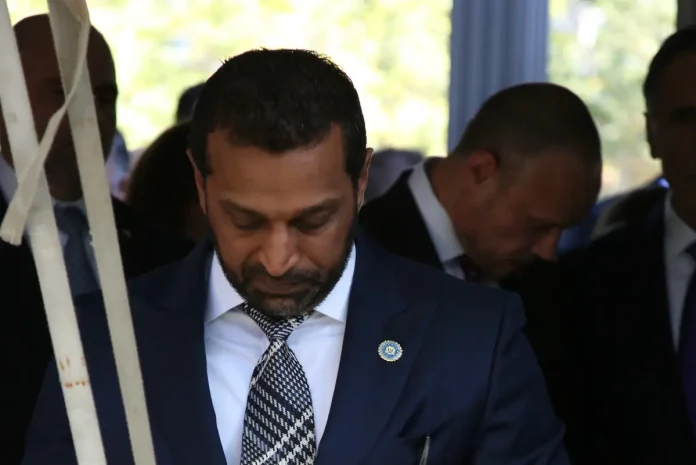
September 11, 2025, New York, USA: FBI Director, Kash Patel at the 24th anniversary 9/11 commemoration ceremony is taking place on the 9/11 Memorial plaza at the World Trade Center. (niyi fote\thenews2) — Photo by thenews2.com via DepositPhotos.com
September 11, 2025, New York, USA: FBI Director, Kash Patel at the 24th anniversary 9/11 commemoration ceremony is taking place on the 9/11 Memorial plaza at the World Trade Center. (niyi fotethenews2) — Photo by thenews2.com via DepositPhotos.com

A group of hackers tied to Iran claims it has breached the personal email account of FBI Director Kash Patel, dumping private photos and messages online in a brazen cyber strike.

The group, calling itself Handala Hack Team, boasted of the intrusion Friday, declaring Patel the latest addition to its list of targets.

Photos and Emails Exposed

The hackers published a batch of personal images showing Patel in candid moments — smoking cigars, riding in a vintage convertible, and posing with a large bottle of rum.

Alongside the photos, they released samples from more than 300 emails, reportedly spanning nearly a decade from 2010 to 2019. The messages appear to include both personal and professional exchanges.

The FBI confirmed the account had been targeted but sought to downplay the breach.

“We have taken all necessary steps to mitigate potential risks,” said spokesman Ben Williamson, adding the material was old and contained no classified government data.

Who Are the Hackers?

Handala presents itself as a pro-Palestinian hacktivist outfit, but Western cybersecurity analysts link it to Iranian state-backed cyber units.

The group has ramped up activity in recent weeks, claiming responsibility for attacks on major U.S. firms — including medical company Stryker Corporation — and threatening further leaks.

Part of a Bigger Cyber Campaign

Experts say the breach fits a broader pattern of Iranian cyber tactics aimed at psychological impact rather than technical sophistication.

“This is about embarrassment and pressure,” said a senior analyst at Check Point Software Technologies. “The goal is to make officials feel exposed and vulnerable.”

The attack comes amid heightened tensions following recent U.S. and Israeli strikes involving Iran, with hackers increasingly going public with their operations.

Not the First High-Profile Hack

Targeting personal email accounts of senior officials is a well-worn playbook.

Hackers previously accessed emails from John Podesta ahead of the 2016 U.S. election, while former CIA chief John Brennan also saw his personal account breached in 2015.

Low-Level But Strategic Threat

U.S. intelligence assessments have warned that Iran and allied groups may resort to relatively simple cyberattacks in response to geopolitical tensions — focusing on disruption and reputational damage rather than deep system infiltration.

For now, officials insist no sensitive government systems were compromised. But the message from the attackers is clear: even the most senior figures are not off-limits.

Trump delays strikes on Iranian energy sites for 10 days, says talks ongoing

0
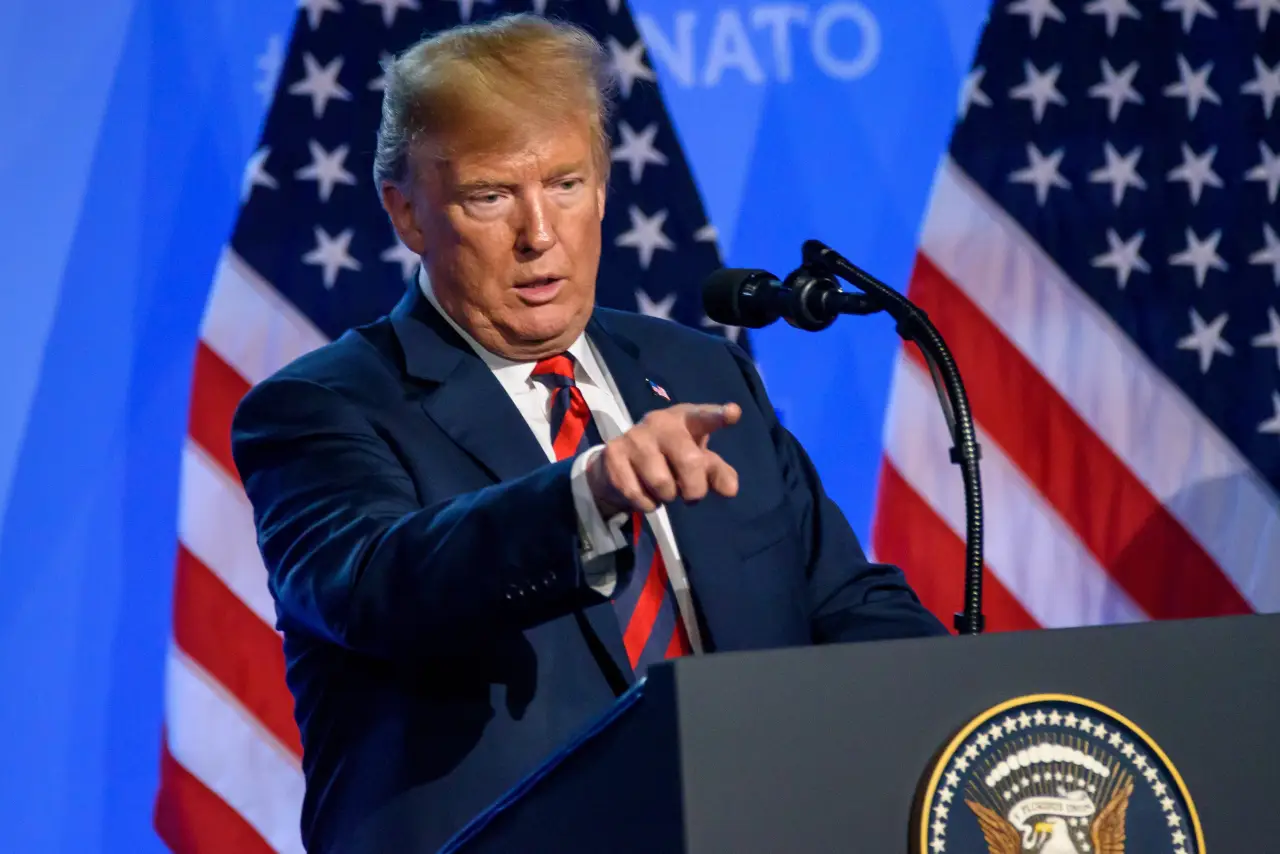
12.07.2018. BRUSSELS, BELGIUM. Press conference of Donald Trump, President of United States of America, during NATO (North Atlantic Treaty Organization) SUMMIT 2018. " — Photo by gints.ivuskans via DepositPhotos.com

US President Donald Trump has extended a pause on planned military strikes against Iranian energy infrastructure by 10 days, saying discussions with Tehran are ongoing despite conflicting signals from Iran.

In a post on Truth Social, Trump said the pause—originally announced earlier this week for five days—will now run until 6 April at 8 PM Eastern Time. He added the extension was made “at the request of the Iranian government” and insisted talks were progressing well.

“As per Iranian Government request, please let this statement serve to represent that I am pausing the period of Energy Plant destruction by 10 Days to Monday, April 6, 2026, at 8 P.M., Eastern Time.

“Talks are ongoing and, despite erroneous statements to the contrary by the Fake News Media, and others, they are going very well. Thank you for your attention to this matter! President DONALD J. TRUMP”

The White House has not released details of the discussions, but US special envoy Steve Witkoff said a 15-point peace proposal had been delivered to Iran via intermediaries.

Iran has not officially confirmed negotiations. Earlier statements reported by state media emphasised Tehran’s position that it retains a “natural and legal right” to control the Strait of Hormuz, a strategic waterway through which roughly one-fifth of global oil supplies typically pass.

Meanwhile, Iran’s state-aligned Tasnim news agency, citing an unnamed military source, reported that more than one million personnel have been mobilised to respond to any potential US incursion, following what it described as a “massive influx” of young volunteers.

Fighting continues across the region

Despite the US pause on energy-related strikes, hostilities across the Middle East are ongoing.

Israel says it has carried out multiple air strikes on sites in western Iran, targeting missile and air defence infrastructure.

Meanwhile, exchanges of fire involving Israel and Lebanon have continued, with Lebanese authorities reporting more than 1,100 deaths and large-scale displacement since the conflict began.

In northern Israel, emergency services reported one fatality and several injuries following a missile strike, while in Abu Dhabi two people were killed by debris from an intercepted missile.

Strait of Hormuz remains central to tensions

The Strait of Hormuz remains a key point of contention. Iran has effectively restricted access to the route during the conflict, contributing to concerns over global energy supplies.

Trump said Iran had recently allowed 10 oil tankers to transit the strait, describing it as a sign of goodwill, though this has not been independently verified.

Markets react to geopolitical developments

Financial markets have reflected ongoing uncertainty.

Oil prices, which had risen amid concerns over supply disruption, fell slightly after news of the extended pause. Brent crude had earlier traded around $108 per barrel before easing.

US stock markets declined, with the NASDAQ Composite falling about 2.4%, entering correction territory, while the S&P 500 and Dow Jones Industrial Average also posted losses.

Unclear diplomatic outlook

The extension of the pause signals a potential opening for diplomacy, but the broader situation remains volatile.

While US officials describe talks as active, Iran has publicly downplayed or denied such negotiations. At the same time, military activity across the region continues, and key issues—including control of the Strait of Hormuz—remain unresolved.

The coming days are likely to determine whether the pause leads to further de-escalation or a resumption of strikes.