


HARARE – Vice President Constantino Chiwenga skipped Zanu-PF’s Politburo seminar this week, opting instead to attend the funeral of a former ZIPRA liberation fighter, a move that has intensified speculation about deepening factional divisions within the ruling party amidst controversial constitutional reforms.
The development comes against the backdrop of Cabinet’s recent approval of the Constitution of Zimbabwe Amendment Bill, 2026, which proposes sweeping changes to the country’s governance framework.
Among the most contentious provisions are the extension of presidential and parliamentary terms from five to seven years, the application of the extended term to the incumbent, and the repeal of Section 92 of the Constitution to remove the direct election of the President by voters.
President Emmerson Mnangagwa’s second and final term is set to end in 2028, and Vice President Constantino Chiwenga, widely seen as a frontrunner to succeed him, had positioned himself to take over.
However, Mnangagwa’s latest plans appear to sideline Chiwenga’s succession ambitions.
Under the controversial Bill, the President would be elected by Members of Parliament sitting jointly as the Senate and National Assembly.
A candidate would need to secure more than half of the valid votes cast, with provision for a run-off between the top two candidates if no absolute majority is achieved.
Critics argue that the reforms amount to a fundamental restructuring of Zimbabwe’s constitutional democracy and could set a dangerous precedence.
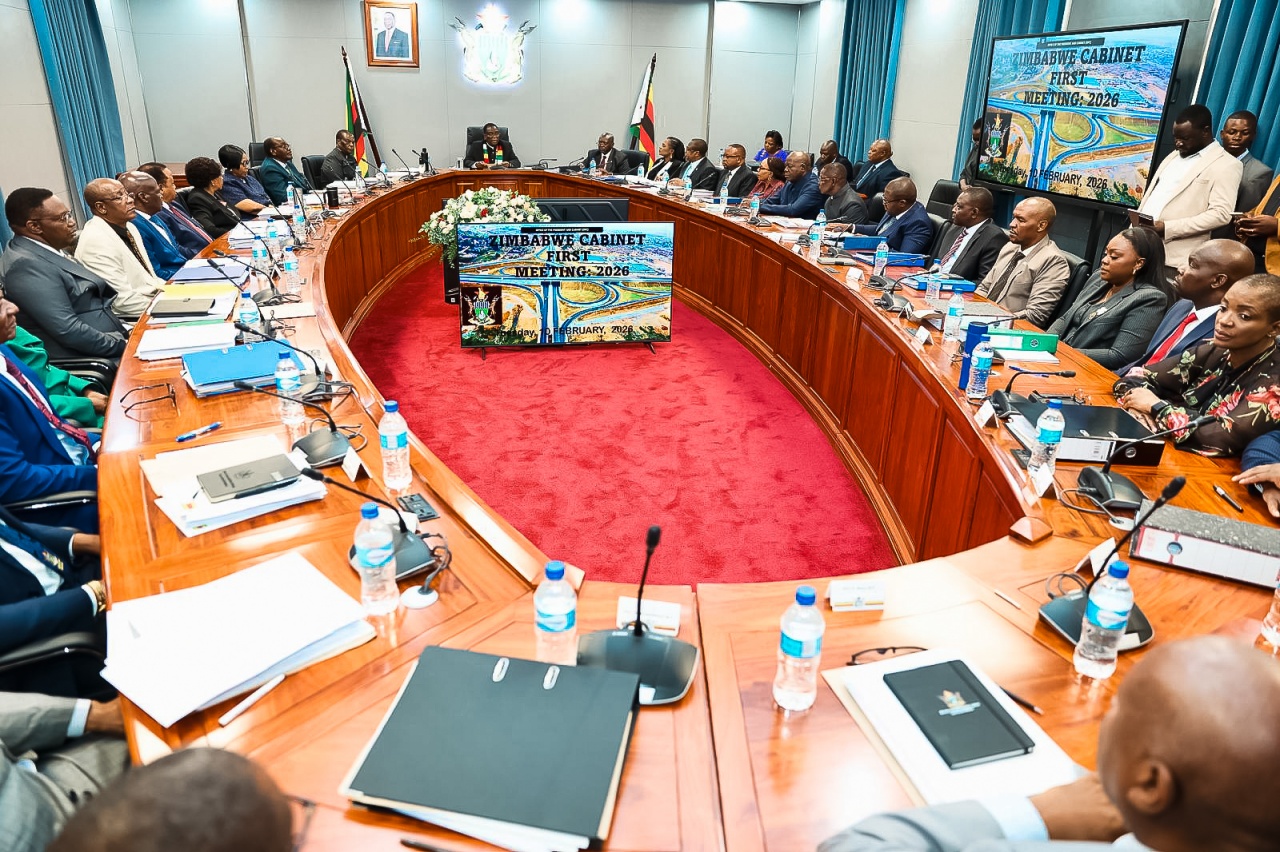
Two Cabinet ministers, speaking on condition of anonymity, told journalist Hopewell Chin’ono that there was a heated exchange between Mnangagwa and Chiwenga during the presentation of the proposed amendments.
According to the ministers, Chiwenga raised objections during deliberations, prompting the President to intervene and assert his authority as Head of State.
The ministers alleged that Mnangagwa reminded Cabinet members that the liberation struggle had been fought to enable the ruling party to govern as it deemed appropriate.
Chiwenga’s absence from the Politburo seminar has been viewed in this context, with analysts suggesting it reflects unease over the direction of the proposed constitutional changes and their implications for internal party succession dynamics.
The Vice President served in ZANLA, the armed wing of Zanu during the liberation struggle, while Mohadi was aligned with ZIPRA, the military wing of ZAPU.
Although the two liberation movements were integrated after independence, their historical legacies continue to influence political alignments within the ruling party.
Constitutional law expert Lovemore Madhuku has denounced the proposed amendments as “totally unacceptable,” accusing their proponents of disregarding the will of the people. He said the National Constitutional Assembly (NCA) party would mobilise efforts to oppose the Bill.
“The proposed constitutional amendments for (2030) are totally unacceptable! The movers of these proposals have no respect for the people.
“The NCA party and I will be counted among those who will be at the forefront of mobilising for the total rejection of these proposals,” Madhuku stated.
The Bill proposes additional changes, including increasing the number of Senators from 80 to 90, granting the President authority to appoint 10 Senators based on professional competencies, and restructuring electoral administration by transferring voter registration and custody of voters’ rolls from the Zimbabwe Electoral Commission to the Registrar-General.
It would also establish a new Zimbabwe Electoral Delimitation Commission appointed by the President, revise judicial appointment procedures to enhance presidential discretion after consultation with the Judicial Service Commission, and abolish the National Peace and Reconciliation Commission. The Zimbabwe Gender Commission would be dissolved, with its functions transferred to the Zimbabwe Human Rights Commission.
The amendments further alter the mandate of the Defence Forces, replacing the obligation “to uphold this Constitution” with a duty to act “in accordance with the Constitution,” and repeal restrictions on the political conduct of traditional leaders, leaving such regulation to an Act of Parliament.
Drafters of the Bill said the proposed reforms are designed to reinforce constitutional governance, strengthen institutions and enhance administrative efficiency.
Discover more from Nehanda Radio
Subscribe to get the latest posts sent to your email.



