Flamboyant businessman Wicknell Chivayo has stirred fresh debate after pledging up to US$1.5 million to Zimbabwean music icon Thomas “Mukanya” Mapfumo in a proposed performance arrangement linked to Jah Prayzah’s upcoming wedding.
Chivayo said he was prepared to pay Mapfumo US$500,000 in cash if the Chimurenga music legend accepts an invitation to perform at Jah Prayzah’s reported wedding, which is said to be scheduled for August this year.
In a social media post that quickly divided opinion, Chivayo said he had not yet received an invitation to the event but intended to attend if it takes place.
He added that he would bring household gifts, including a fridge, microwave, plates and cups, in line with traditional wedding customs.
But the businessman said the most meaningful gift would be seeing Mapfumo, whom he described as Jah Prayzah’s mbira mentor and one of Africa’s greatest Chimurenga music icons, performing at the ceremony.
“If the wedding is there, I will be happy for you to invite the legendary Thomas ‘Mukanya’ Mapfumo to perform on your special day. If he accepts this invitation, I will personally pay him US$500 000 in cash for that performance,” Chivayo wrote.
He then raised the stakes further, saying that if the wedding performance does not happen for any reason, he would still invite Mapfumo to perform at his own birthday celebrations.
“I will still gladly invite him to perform for me and my family in my own backyard on my birthday and pay him US$1 million.
“It would be an honour for our Chimurenga icon to finally retire from music as a millionaire and perform his last mbira in style,” he said.
The combined offer of US$1.5 million has triggered strong debate among Zimbabweans, with commentators split between those who view the proposal as long-overdue financial recognition for Mapfumo and those concerned about the political symbolism of the offer.
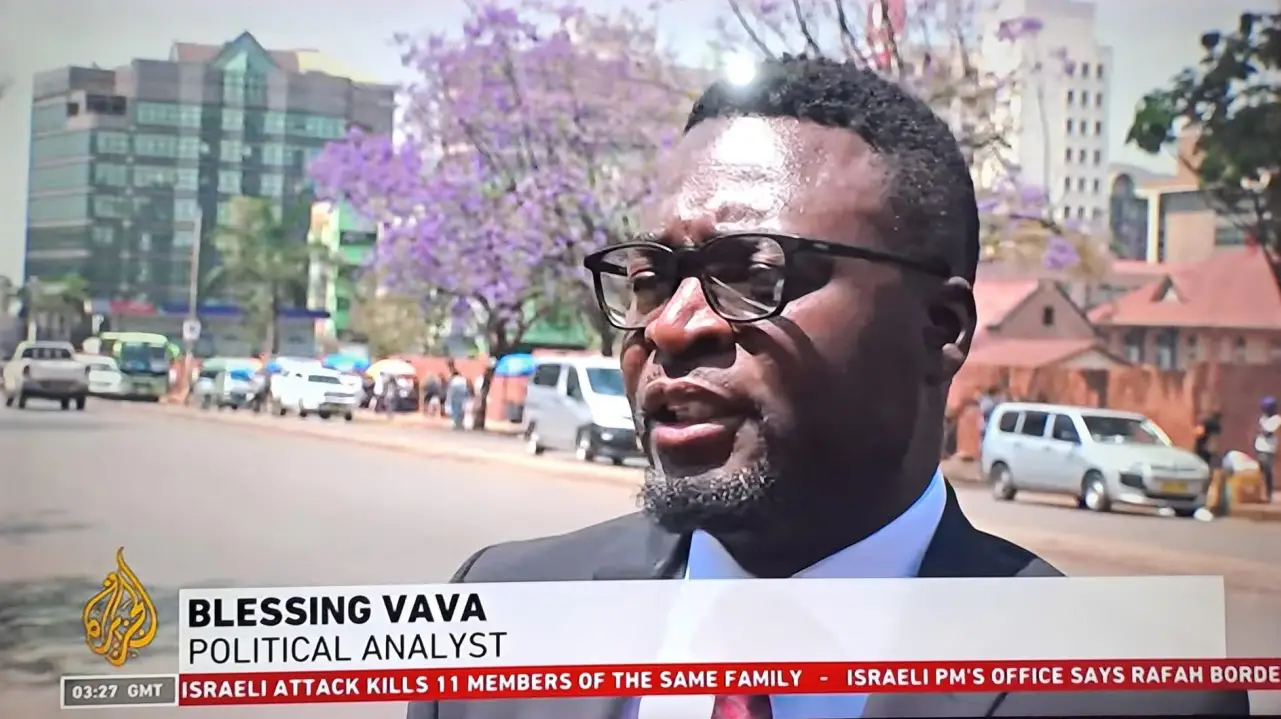
Political commentator Blessing Vava, who previously did media work for Mapfumo, said the veteran musician should consider performing if formally invited.
“My two cents: Mukanya should come and perform as a gesture of support to the younger generation of musicians who are carrying Zimbabwean music forward. Jah Prayzah has earned his place as a legend in his own right,” Vava wrote.
He said Jah Prayzah, together with Winky D, had distinguished himself through “consistency, influence and longevity”.
Vava argued that the latest offer appeared to be an appreciation of Mapfumo’s contribution to Zimbabwean music rather than a political demand.
“Whether one agrees with Chivayo or not, this particular gesture appears to be an appreciation of Thomas Mapfumo’s immense contribution to Zimbabwean music,” he said.
He added that, unlike previous offers, this one did not appear to come with political conditions attached, saying: “Mudhara ngaatore bag.”
Political activist Sanderson Makombe also weighed in, saying Mapfumo would ultimately make his own decision. He argued that no amount of money was likely to compromise the musician’s principles at this stage of his life.
Makombe, however, criticised what he described as selective outrage, pointing to previous public support for other beneficiaries of Chivayo’s generosity.
“What I struggle with is the hypocrisy amongst us,” he wrote, adding that when Mapfumo’s homestead was allegedly burnt about a year ago, a GoFundMe campaign reportedly failed to raise its US$5,000 target.
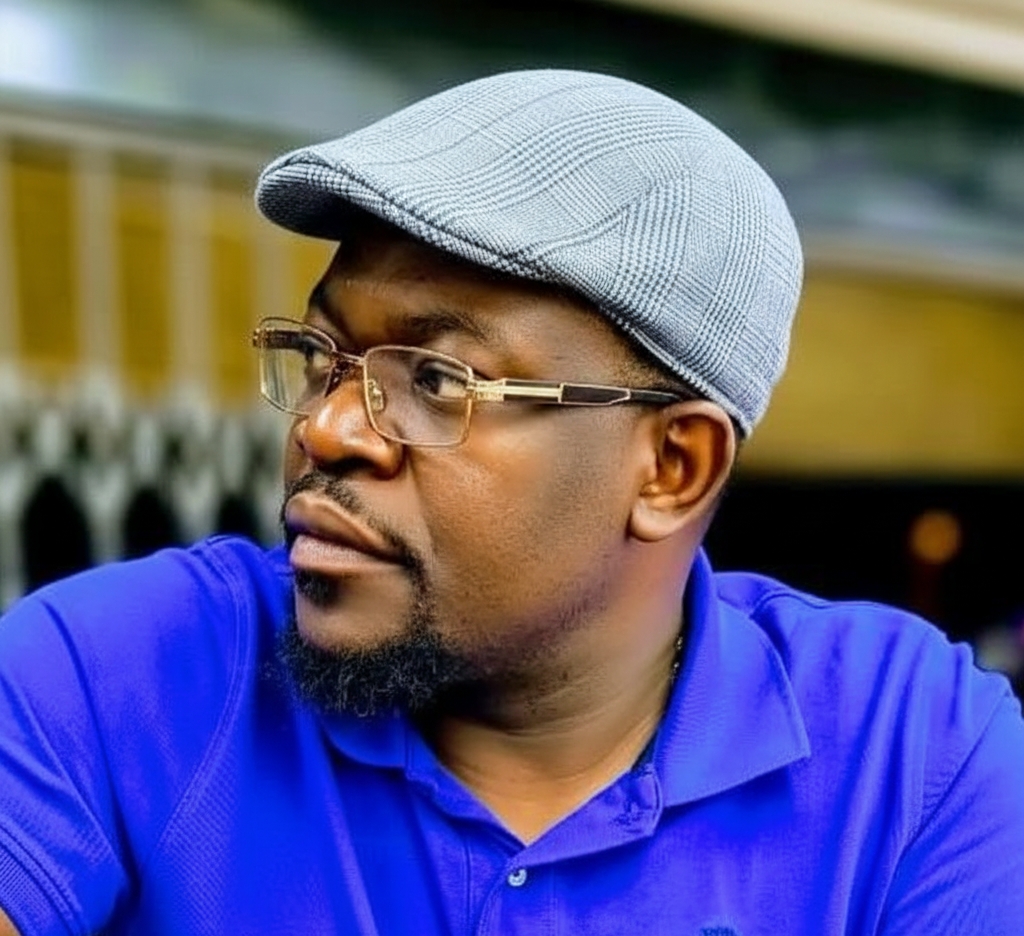
Journalist Gabriel Manyati said the debate around Chivayo’s money had exposed inconsistencies in public reaction.
“If Wicknell Chivayo’s money is ‘dirty,’ then it is dirty whether it pays for stranded Zimbabweans leaving South Africa or pays Thomas Mapfumo for musical services rendered,” Manyati wrote.
He argued that people could not applaud the same money when used for causes they supported and condemn it in other circumstances.
Retired military official and political commentator Shepherd Mpeswe said Mapfumo’s legacy was already secure and could not be erased by one performance.
“For more than five decades, Mukanya has been Zimbabwe’s moral barometer, a man who refused to bend when bending was profitable, convenient and at times, necessary for survival,” Mpeswe wrote.
He said Mapfumo had previously passed the hardest test by rejecting an earlier offer that, in his view, came with political conditions.
However, Mpeswe argued that the latest proposal was different because no apology, political loyalty or ideological compromise had been demanded.
“This time, the task is simple, perform. That is not politics. That is business,” he said.
He added that Mapfumo was not being asked to endorse Chivayo or legitimise anyone, but merely to provide a professional service.
Another commentator, Chirenje Mzukuru WeTongwe, echoed the view that Mapfumo’s catalogue and political convictions could not be erased by a paid performance, citing songs such as “Gwindingwi,” “Bhutsu Mutandarika,” “Corruption” and “Mamvemve”.
Snowball Tongogara argued that the global arts industry had often left veteran African musicians under-compensated, particularly those who dedicated their careers to cultural preservation and political activism.
Tongogara said accepting financial support late in life should not automatically be viewed as charity or political compromise, but could be seen as “delayed material compensation” for Mapfumo’s cultural legacy.
He suggested that, if Mapfumo accepted the money, he could use it to establish a music academy, preserve his catalogue through digitisation, or support young Zimbabwean artists with access to studios and resources.
The debate now turns on whether Mapfumo, who has long been regarded as one of Zimbabwe’s most politically outspoken musicians, will respond to Chivayo’s offer — and whether Jah Prayzah’s rumoured August wedding will become the stage for one of the most talked-about performances in Zimbabwean music history.
Discover more from Nehanda Radio
Subscribe to get the latest posts sent to your email.