Nelson Mandela, the saccharine saint of global liberalism, is worshipped as the architect of South Africa’s so-called rainbow miracle. His 1990 prison release and 1994 presidency are peddled as epic victories of saintly grace over barbaric tyranny.
But strip away the Hollywood gloss and Western adulation, and what emerges is a damning indictment: Mandela’s backroom deals with the apartheid butchers were nothing short of a brazen sell-out of the black majority.
By grovelling for white approval and sacrificing economic revolution on the altar of phony reconciliation, Mandela cemented a neo-apartheid order where black South Africans remain shackled in poverty’s chains.
This op-ed tears down the Mandela myth, exposing how his cowardly compromises locked in racial plunder, dooming generations to destitution while the world applauds his “forgiveness.”
Let us not mince words: Mandela’s capitulations must be viewed through the blood-soaked lens of the early 1990s.
The 1989 Berlin Wall collapse shredded the Cold War facade, starving the African National Congress (ANC) of Soviet backing and leaving the apartheid regime gasping under global sanctions and domestic infernos.
F.W. de Klerk’s white supremacist cabal teetered on the brink, battered by economic boycotts, township uprisings, and the ANC’s armed insurgency.
Unbanned in February 1990, the ANC rose from exile with the 1955 Freedom Charter as its battle cry, demanding the seizure of mines, banks, and monopolies to smash white wealth hoards.
Yet, amid the 1990-1993 negotiations, state-orchestrated “third force” terror squads unleashed hell, inciting black-on-black massacres that claimed thousands of lives.
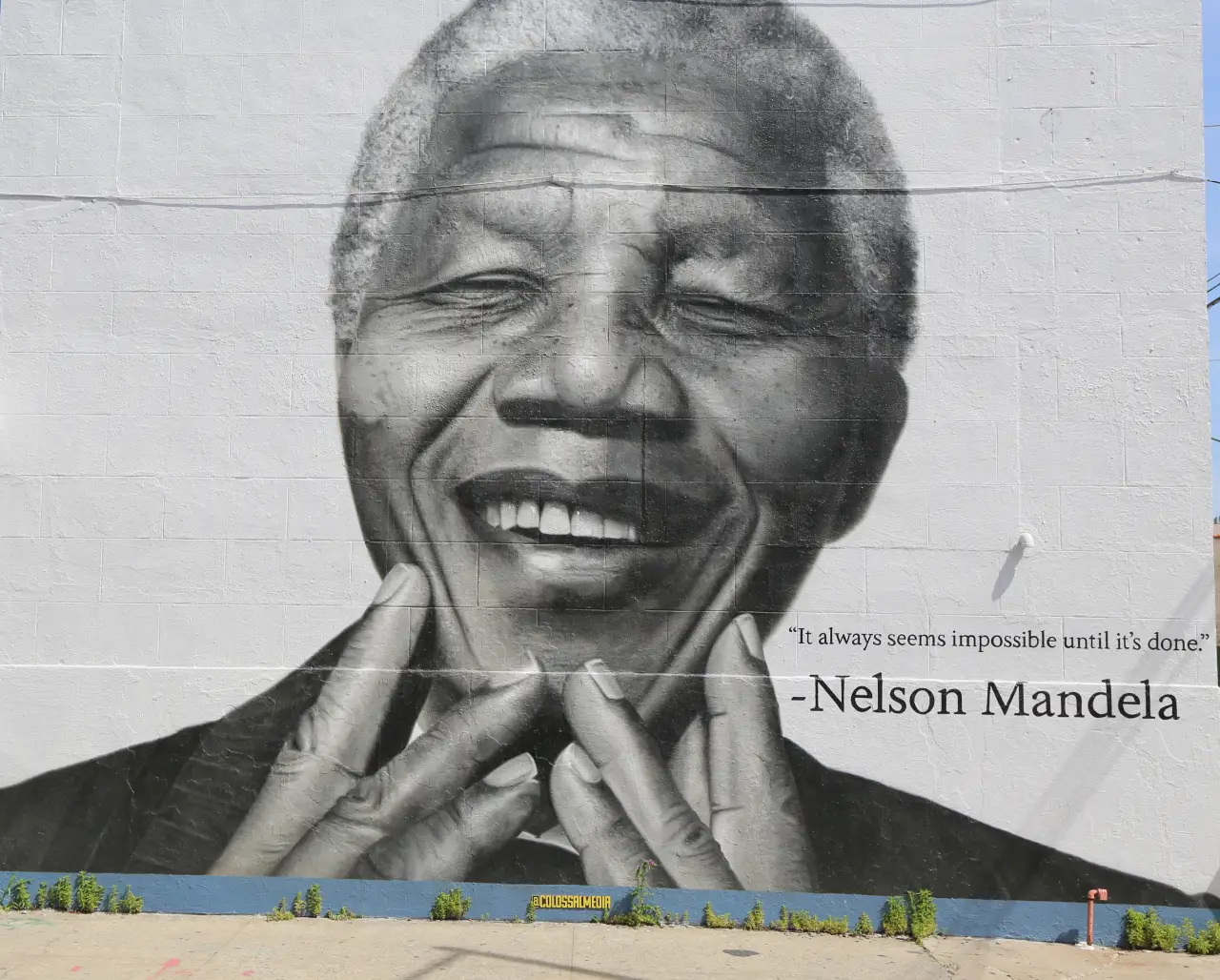
Mandela, the ANC’s figurehead, slithered through this carnage, prioritising a velvet-gloved truce to dodge all-out war.
Western imperialists, salivating over preserved profits, bullied for a “peaceful” handover that shielded their capitalist cronies, dreading a Zimbabwe-style expropriation bloodbath.
Mandela’s moves were no noble vision; they were craven bargains that exalted elite handshakes over the righteous rage of the oppressed.
At the heart of this treachery lay the shameless safeguarding of white economic dominance.
In the Convention for a Democratic South Africa (Codesa) charade and follow-on talks, the ANC meekly swallowed sunset clauses that ring-fenced white bureaucrats’ cushy jobs and fat pensions, embedding apartheid’s racist overlords in the “new” democracy’s core.
Worse still, the deal ditched nationalisation for a World Bank-dictated neoliberal nightmare. The 1996 Growth, Employment and Redistribution (GEAR) fiasco, rammed through on Mandela’s watch, hawked budget cuts, sell-offs, and investor pandering over real redistribution.
This grotesque giveaway perpetuated white strangleholds: apartheid’s twilight saw whites clutching 87 percent of the land and lording over mining, finance, and farms.
Fast-forward to today, and black South Africans scrape by with under 10 percent of commercial farmland, a poisonous inheritance from Mandela’s spineless retreats.
The 1996 Constitution, that vaunted “progressive” tome, bolted these injustices into eternity. Sure, it sprinkled human rights fairy dust, but its property protections were a fortress for stolen spoils, rendering land grabs without payback a pipe dream mired in legal quicksand.
Mandela’s nod to the “willing buyer, willing seller” scam chained reform to market whims, ballooning costs and grinding progress to a halt.
By 2024, a pitiful 8 percent of farmland has trickled back, mocking the ANC’s laughable 30 percent goal by 2014. Redistributed plots rot in failure, starved of funds, expertise, or tools, breeding ghost farms and entrenched rural misery.
Make no mistake: these shackles were forged in negotiations that bent the knee to white agribusiness barons, buying their grudging nod to democracy at the price of black futures.
The Truth and Reconciliation Commission (TRC), birthed in 1995 under Archbishop Desmond Tutu’s sanctimonious gaze, was another knife in the back.
This farce dangled amnesty to apartheid’s torturers and killers for mere confessions, peddling “healing” over vengeance. It unearthed horrors and soothed consciences, but robbed survivors of justice and restitution.
Apartheid generals and goons sauntered free, unpunished, while black victims pocketed insulting pittances. Detractors, from widows to militants, rightly branded it a “truth-for-justice” swindle that enshrined impunity, letting apartheid’s profiteers cling to their blood money.
By fixating on personal atrocities, the TRC blinded itself to the grand theft of forced evictions that hurled millions into slums, ensuring economic apartheid’s undead march.
The entire “settlement” reeked of an elitist stitch-up between ANC fat cats and National Party thugs, trampling the people’s will underfoot. Codesa and its sequels shut out firebrand unions, community warriors, and youth radicals clamouring for bottom-up revolution.
This arrogant top-down betrayal wove capitalist safeguards into the fabric, freezing apartheid’s loot split – where the elite 10 percent hog over 90 percent of riches.
South Africa’s sky-high Gini score of 0.63 screams the truth: black families subsist on crumbs compared to white opulence, with 33 percent unemployment crushing black youth hardest.
Mandela’s path was a gutless detour from the era’s bolder visions. The Freedom Charter roared for nationalisation to shatter white cartels, a clarion call from the ANC’s revolutionaries like Chris Hani and Winnie Madikizela-Mandela.
Zimbabwe-inspired land blitzes could have unleashed wholesale seizures to reclaim ancestral soils. Grassroots constitutional overhauls, via people’s congresses instead of ivory-tower huddles, would have enshrined labour sovereignty and collective holdings.
Pan Africanist Congress and Azanian People’s Organisation militants howled for white expulsion or asset grabs, decrying compromise as colonial continuity.
Mandela sneered at these, quaking over market meltdowns and white exodus, but his cowardice sealed off routes to authentic equality.
Mandela’s halo of global godhood veils this squalid barter. Cast as a Christ-like unifier, his Nobel trinket and silver-screen fables erase homegrown scorn.
Firebrands in Julius Malema’s Economic Freedom Fighters brand him a “sell-out” who coddled white fragility at black expense. Western propaganda mills amplify this cult, muffling cries over why, 30 years on, destitution wears a black face.
Ultimately, Mandela’s betrayals haunt modern South Africa like a vengeful spectre, fuelling inequality’s fires, riotous upheavals, and seething discontent.
The rainbow delusion shatters amid burning barricades, anti-foreigner pogroms, and graft empires born of ignored economic rifts.
As the ANC staggers toward oblivion, calls for seizures and state takeovers thunder anew, mocking Mandela’s forsaken roads. His treason was no villainy but a gutless expediency that flung the masses to the wolves for the elite’s serene slumber.
To reclaim the anti-apartheid fire, South Africans must torch this idol and chase the deferred revolution.
Only in that blaze can the black throngs seize the liberty they bled for.
Discover more from Nehanda Radio
Subscribe to get the latest posts sent to your email.