“When pre-trial detention becomes the punishment, justice has already failed.”
The Weaponization of Justice
On 31 July 2024, four Zimbabwean human rights defenders: Namatai Kwekweza, Robson Chere, Samuel Gwenzi, and Vusumuzi Moyo, were violently dragged off a domestic flight at Robert Mugabe International Airport by plainclothes security agents.
Their “crime”? Merely being associated with a peaceful protest that had taken place over a month earlier.

For the next eight hours, these activists were held incommunicado, denied access to legal counsel, and, in the case of victim Robson Chere, tortured so severely that he they later faced kidney failure.
Their ordeal is not just a miscarriage of justice, it is a chilling example of how Zimbabwe’s criminal justice system has become a tool for political repression, where arrest and detention are punishment in themselves.
“Bail is not a privilege, it is a right.”
Pre-Trial Detention as Political Weapon
Under Zimbabwe’s Criminal Law (Codification and Reform) Act, vague provisions such as “disorderly conduct in a public place” (Section 41(b)) have become the go-to charges against journalists, student leaders, and civil society actors.
Pre-trial detention, which international standards consider a measure of last resort, is systematically weaponized to punish dissent. Bail applications are routinely denied on flimsy grounds, effectively turning remand into state-sanctioned punishment without conviction.
As Amnesty International observes, these tactics form part of a “wider pattern of judicial harassment against government critics.”
Torture and Incommunicado Detention
The International Covenant on Civil and Political Rights (ICCPR), to which Zimbabwe is a party, categorically prohibits torture and ill-treatment (Article 7). Yet, detainees like Chere have reported severe abuse while being denied legal access for hours.
The African Charter on Human and Peoples’ Rights (ACHPR) likewise guarantees personal liberty and freedom from arbitrary detention (Article 6).
These violations are not isolated incidents. Similar patterns were observed during the arbitrary arrests of 78 opposition activists in June 2024 and in the prolonged detention of opposition MP Job Sikhala, who spent nearly 600 days in pre-trial detention for speaking out against political violence.
“When pre-trial detention becomes the punishment, justice has already failed.”
Shrinking Civic Space and Fear
The arrest of Kwekweza and other activists came just weeks before the Southern African Development Community (SADC) Summit in Harare.
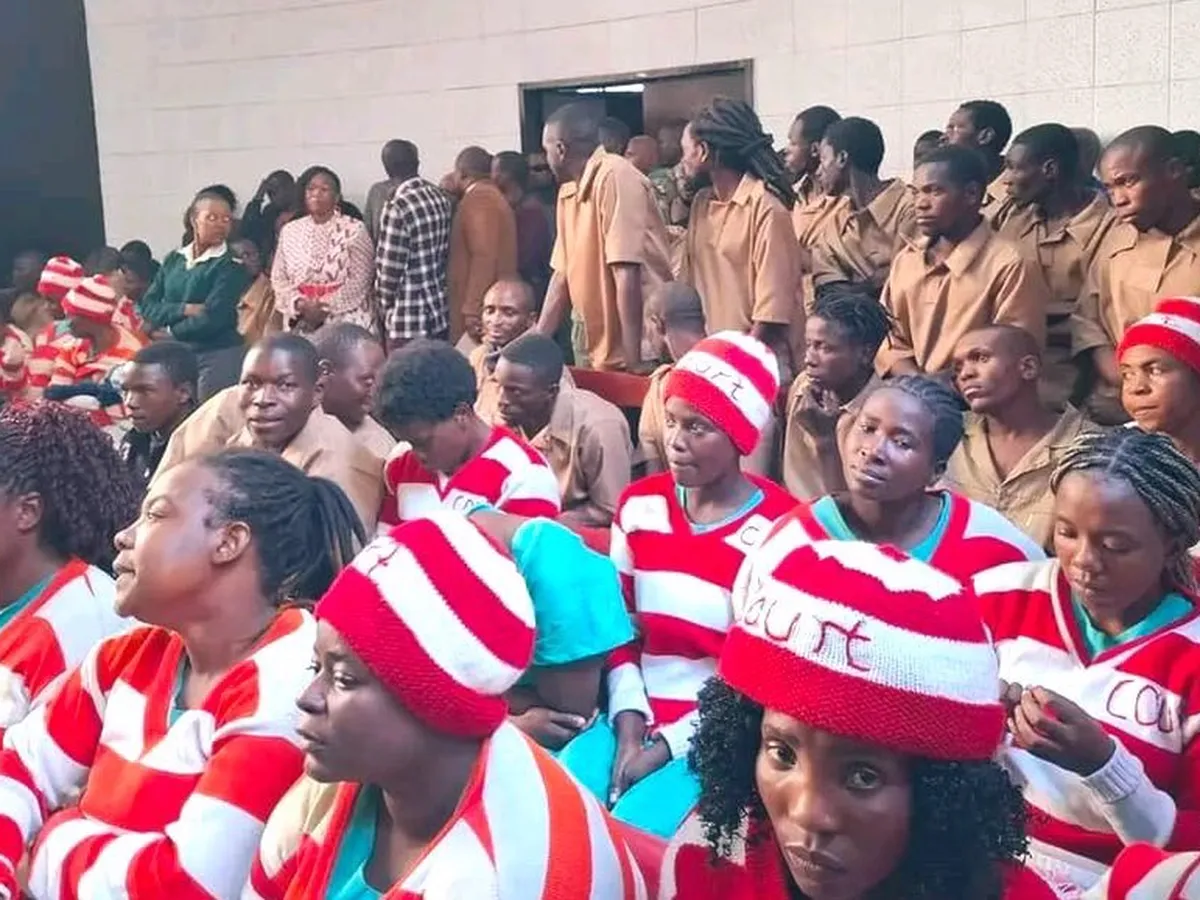
Such timing is not coincidental. As Zimbabwe prepared to host regional leaders, authorities sought to project an image of control, silencing dissent through intimidation.
This “arrest first, investigate later” culture creates a climate of fear for activists, journalists, and ordinary citizens. Prolonged legal harassment and trial delays are used not to deliver justice, but to drain resistance and discourage civic engagement.
The Private Voluntary Organisations (PVO) Amendment Bill, passed in 2023, further tightens the noose around NGOs, granting authorities sweeping powers to shut down organizations deemed “unfriendly” to the state.
The message is clear: anyone who challenges state authority risks becoming the next target.
A Call to Action
Zimbabwe’s justice system must be held accountable. The judiciary must stop functioning as an extension of political power and return to its constitutional mandate of safeguarding rights.
International bodies like the United Nations Human Rights Council and the African Commission on Human and Peoples’ Rights must continue pressing for independent investigations into cases of torture and arbitrary detention, starting with Chere’s ordeal.
Civil society and the global community must also keep amplifying these stories. Silence only emboldens repression.
As citizens, journalists, and human rights defenders, we must insist that bail is not a privilege, but a right, and that freedom of expression and assembly are cornerstones of democracy, not crimes to be punished.
“Justice in Zimbabwe should not be political theatre. It must be transparent, impartial, and true to its constitutional promise.”
Authors: Human Rights and Democratisation LLM students 2025 Cohort from Centre for Human Rights (University of Pretoria)
Discover more from Nehanda Radio
Subscribe to get the latest posts sent to your email.