In the bustling streets of Harare, the chaotic dance of informal trade persists—a lifeline for millions in a nation grappling with unemployment and economic fragility.
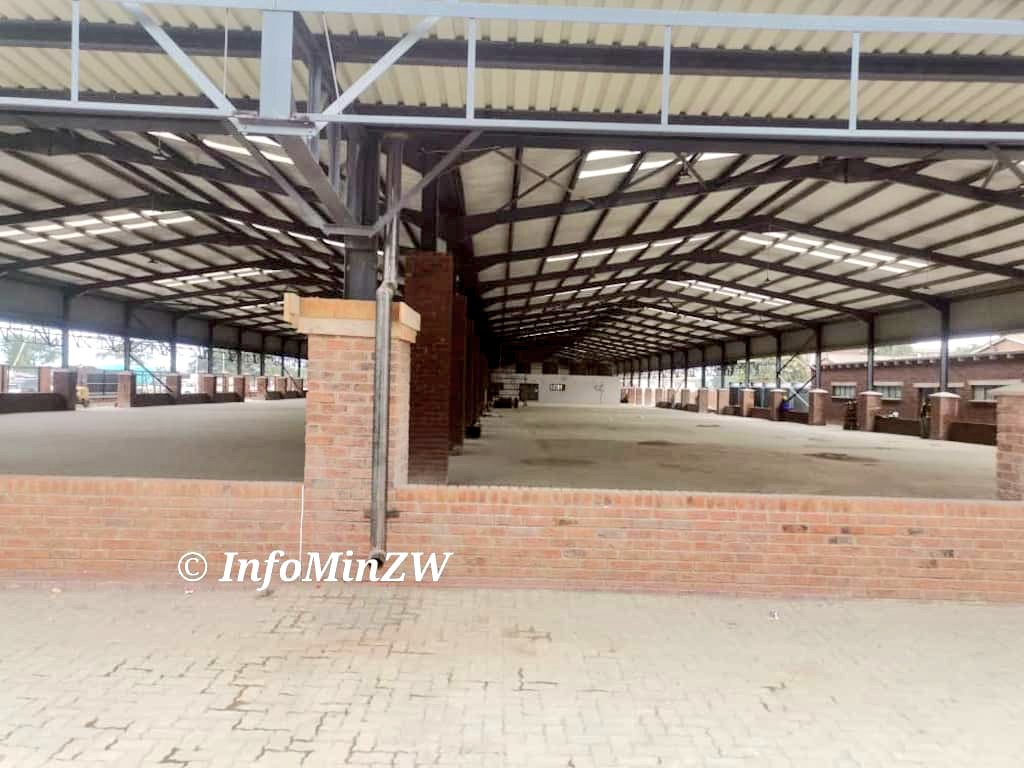
Yet, the Zimbabwean government’s latest push to formalise this sector, epitomised by projects like the New Mbare Musika, risks exacerbating tensions rather than fostering sustainable solutions.
This effort echoes past failures, such as the ill-fated relocation of transport operators to designated CBD zones, which collapsed under the weight of poor planning and resistance.
Today, as formal businesses shutter and inflation soars, the question looms: Can Zimbabwe afford to force informal traders into a system already buckling under pressure?
A System in Crisis
The government’s strategy to relocate informal traders to “controlled areas” is met with skepticism. Formal retailers like OK Zimbabwe and N Richards Group are retreating, closing branches nationwide, while others operate at a fraction of their capacity.
Mohammed Musa’s retail empire, for instance, has downsized by over 60%. If established businesses cannot survive, where does this leave informal vendors?
The irony is stark: formalisation efforts are intensifying as the formal economy contracts, leaving traders caught between a crumbling system and punitive policies.
Six Barriers to Success
- Regulatory Overreach: Informal traders often lack resources to comply with complex regulations. Mandating POS machines, licenses, or tax compliance in an economy plagued by hyperinflation and currency instability is tone-deaf.
- Community Distrust: Past failures and perceptions of exploitation—such as arbitrary taxes or politically motivated displacement—breed resistance. Many vendors are aligned with political factions, complicating enforcement.
- Corruption: Leakage of funds, bribery, and mismanagement erode trust. Without transparency, even well intentioned projects risk becoming white elephants.
- Cultural Inertia: Decades of informality have normalised cash-based, unregulated trade. Vendors view formal structures as hostile, not supportive.
- Economic Instability: Currency volatility, fiscal indiscipline, and inflation deter investment in formalisation. Traders fear instability more than informality.
- Sustainability Gaps: Relocation without access to markets, infrastructure, or social safety nets sets up vendors for failure.
RECOMMENDATIONS: WAY FORWARD
To avert disaster, Zimbabwe must rethink its approach:
- Stabilise the Macro-environment first
- Tackle inflation and currency distortions. Without a stable ZWL/USD exchange rate and fiscal discipline, formalisation is futile.
- Revive credit markets to help businesses—formal and informal—access affordable financing.
2. Incentivise, Don’t Punish
- Offer tax holidays, subsidised licenses, and grants to vendors transitioning to formal spaces.
- Pilot low-cost digital payment systems instead of imposing rigid POS mandates.
3. Combat Corruption, Build Trust
- Establish independent oversight bodies for relocation projects.
- Engage vendors in decision-making through inclusive dialogues.
- Phased Formalisation
- Start with light-touch regulations (e.g., basic hygiene standards) before enforcing complex rules.
- Co-opt existing informal networks (e.g., vendor associations) as partners, not adversaries.
- Protect Livelihoods
- Ensure relocation sites are strategically located near transport hubs and markets.
- Provide training programs on financial literacy and business management.
- Political Courage
- Depoliticise the informal sector. Stop using vendors as pawns for patronage.
- Align policies with regional best practices (e.g., Rwanda’s Agaciro-style grassroots economic empowerment).
Zimbabwe’s informal sector is not the enemy—it is a symptom of systemic failures. Forcing vendors into a collapsing formal economy without addressing root causes will only deepen poverty and unrest.
The government must choose: perpetuate cycles of exclusion or champion inclusive reforms that recognise informality as a vital part of the economy’s DNA. The road ahead is steep, but with collaboration, innovation, and humility, progress is possible.
This article was coordinated by Fungayi Sox–an emerging Harare-based business consultant and communications strategist.
Mark Mtombeni is an experienced Auditor and Financial Consultant with expertise in Financial Statements Auditing, Accounting and Tax Management, With passion for helping businesses achieve financial clarity and growth, he offers strategic insights and actionable insights and actionable solutions to optimise financial operations. Committed to excellence, Mark uses his skills and experience to drive success for clients across various industries.He can be reached on [email protected] or on +263 719 412 008
Discover more from Nehanda Radio
Subscribe to get the latest posts sent to your email.