Akashinga, the exclusive female anti-poaching unit operating in the Zambezi Valley continues to excel in its wildlife preservation operations and extending its influence on community development projects which have been successful through its synergies with local communities, authorities and agencies.
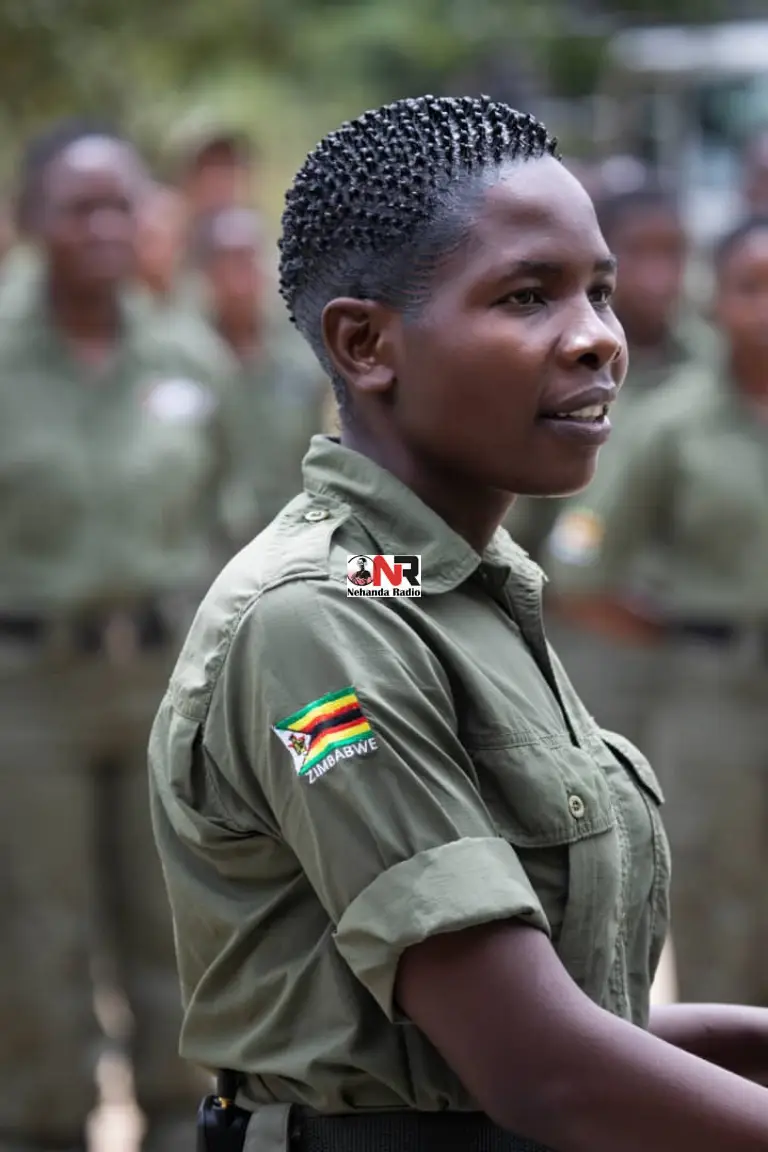
Last Friday Akashinga dubbed “The Brave Ones” carried out a parade in Hurungwe, in Nyamakate, Hurungwe District, Mashonaland West Province to celebrate its growth and success in wildlife conservation and community development projects centered on education, health and nutrition, infrastructure development and employment.
To date, Akashinga and its Wildlife Crime Unit have carried out 1303 arrests in 724 operations. In the last year alone, the unit has recovered 24 pangolins, 118 elephant tusks and 1 rhino horn, as well as over 1500 kg of illegally caught fish.
The success story of Akashinga in wildlife preservation and community projects continues to break social gender stereotypes fostering new narratives on how women play a critical role in sustainable development in communities.

Recently a joint project between Hurungwe Rural District Council, MoveMe Abundant Village and Akashinga with support from the Australian Government provided essential access to clean water through the installation of solar boreholes at Nyamakate centre and Kilo village in Chundu.
Akashinga which is the brainchild of the International Anti-Poaching Foundation’s (IAPF) also availed solar power to Nyamakate Clinic and upgrades to Early Childhood Development (ECD) centres in nearby Golf and Jinami villages are in progress.
During Friday’s parade, 80 rangers celebrated double wins for the community and conservation, demonstrating their skills for local dignitaries including the guest of honour Chief Chundu, Hurungwe District Development Coordinator Mr Andrew Tizora, Hurungwe Rural District Council representative Mr Tamburai Gomwe, Councillor Nomatter Murisa, and Akashinga CEO and Founder Damien Mander.
Chief Chundu addressing a speech at the parade commended Akashinga for their partnership and sustained involvement in the community.
“Thanks to this initiative, the girl child can now have access to employment opportunities and can also play a vital role in the protection of our environment,” he said.
Damien Mander, CEO and Founder of Akashinga, in an interview said Friday was a moment to reflect how Akashinga has made tremendous strides not only in wildlife conservation but also community development projects.
“Today (Friday) is the culmination of not only 14 years of work but 14 years of lessons, and I think the most valuable lesson that we learn as conservationists is that conservation is not a conservation issue, it’s a social issue, and when we have social impact we have conservation outcomes.
“This is what Akashinga is about, it’s about having social impact through community upliftment, through partnering with the local communities and local agencies so we can have this impact through community projects, education, healthcare, infrastructure development, job creation and of course central to our community development is the empowerment of women thats what Akashinga is about.
“It’s not only the women that are out there on the frontlines as the tip of the spear but is about the whole team that is behind that machine that is behind that team, that makes that that team do its job out there risking their lives on a daily basis, not just on behalf of the international community but the natural resources we have as one beautiful backyard that we have be given a civilisation, as humanity we have been destroying it and our future as a species is dependent on that willingness to preserve biodiversity.
“Today what I am most proud about is where this programme has come specifically over the last six years since we started, we started under a tree not far from here, on chalk board with 16 women and today this programme is growing across flour countries protecting over 9 million acres of African wilderness with a staff over 600 people,” said Mander.
One of the Akashinga rangers, Sergeant Major Nyaradzo Hoto, was awarded an International Union for Conservation of Nature’s (IUCN) International Ranger of the Year Award in 2022.
In an interview with Hoto who is a graduate of the first pilot Akashinga training program back in 2017, opened up how she was honored by the award and how being a member of Akashinga has positively impacted her personal life.
“I feel proud and honored to be recognised internationally. That among all the women I was honored with such a prestigious award and If I can mention in all the winners I was the only female winner for the award.
“My hope is that the fact that I won the award does not end with me, but must extend to my colleagues and all the women who work in wildlife conservation centers around the borders.
“Before I joined Akashinga I couldn’t send my daughter who is currently 11 years old to school but now with what I earn from Akashinga I am able to send her to a better school.
“My father passed away in 2015 and mother couldn’t afford to send me and three of my younger siblings to school (two brothers and a sister) though wanted to go to University at a younger age, but when I joined the Akashinga I got the opportunity (funding) to now to university and also able to pay my siblings school fees,” said Hota.
Discover more from Nehanda Radio
Subscribe to get the latest posts sent to your email.