Urban and rural councils are diverting funds disbursed by the Zimbabwe National Roads Administration (ZINARA) for road rehabilitation and maintenance in order to pay off debts as well as fund salaries and allowances for staff.
Rural and urban councils, along with the District Development Fund (DDF) and the Department of Roads receive funds from ZINARA on a quarterly basis for the rehabilitation and maintenance of roads under their jurisdiction.
In 2014, ZINARA allocated US$60 million to the four road authorities, while US$50 million was disbursed in 2015.
The amount dropped to US$48 million in 2016 although the four road authorities are expected to receive US$64,4 million from this year’s National Budget.
While the amounts disbursed are a drop in the ocean compared to what needs to be done to bring the roads under their jurisdiction to required standards, the feeling in government is that there is rampant abuse of funds disbursed by ZINARA, especially among rural and urban councils.
As if to confirm these fears, the country’s 90 000- kilometre road network is currently in dire need of rehabilitation and maintenance, especially in the wake of an incessant downpour that has further damaged the roads.
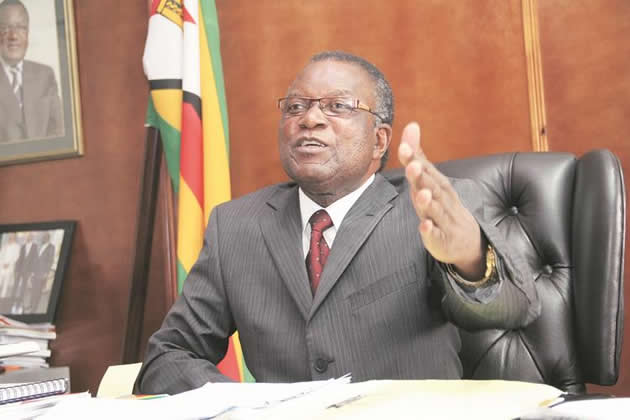
Transport and Infrastructure Development Minister, Jorum Gumbo, did not mince his words when he told representatives from rural and urban councils in Mutare last week that scarce resources meant to rehabilitate roads were being funneled towards consumption.
The meeting was also attended by officials from DDF and the Department of Roads as well as legislators from Manicaland.
“Local authorities, whether rural or urban, you have so much debt. We also know that you accrued most of it during and after the economic meltdown and we understand that. But the bigger chunk of it is as a result of your own making. And as such, we do not like what is happening. Yes, ZINARA gives you annual funds to maintain roads, but most of you convince yourselves that the roads are still in good shape and then divert the funds,” he said.
“We make periodic disbursements of funds and most of you, like Harare, always cry foul that it’s not enough and we do acknowledge that. But what I am now demanding from you is for you to show us how and where you used the little we have been giving you. We gave you money last year, whether its US$100 000 or US$300 000, show us where you used the money. I say to you today give Caesar what belongs to Caesar because you are taking ZINARA money to pay your debts. You further use the same money to pay your salaries and allowances. I am telling you now that it should stop forthwith.”
Councils, both urban and rural, owe millions of dollars to service providers, with for instance, Mutare alone owing various creditors US$19 million. As of August last year, the capital city Harare owed its own creditors US$200 million, of which US$24 million was in salary arrears.
They have been struggling to expunge their debts due to the harsh economic conditions that have militated against residents’ ability to pay for services provided by councils.
For example, urban councils are owed a combined over US$700 million by government, residents, industry and commerce.
Gumbo also noted that local authorities were covering up their abuse of funds, which was futile.
He warned that those found wanting would be blacklisted and thus precluding them from accessing future disbursements from ZINARA.
“I am aware that there are some road authorities that are failing to comply with our guidelines. Most of you are holding meetings to find ways to lie on how you are using your allocation. You are spending a good amount of time to make fictitious paperwork to try to make it seem as if you used our funds for intended purposes yet you used it otherwise,” said Gumbo.
“When ZINARA starts doing disbursements to councils, we will have a separate list that shows that we have given a certain council such an amount. We will hand out this list to legislators in your area. And it is the duty of the respective Member of Parliament to take the authorities to task on how they used the money,” he added.
ZINARA chief executive officer, Nancy Masiyiwa-Chamisa, said they will henceforth judiciously monitor all funds disbursed to road authorities.
She said: “We will be doing strict monitoring of all financials. Apart from working with MPs, we will also have our own engineers, who will be seconded to work with those from local authorities when they do their needs assessment to verify whether their requests are accurate. The monitoring system is also to make sure that every cent that we give you goes into roads.”
Buhera South MP, Joseph Chinotimba, had no kind words for the local authorities.
“Imbavha idzi (They are thieves). The level of corruption within councils is very disturbing and I suggest government, through your Ministry (of Transport), should tighten screws on the funds that you give them. Right now councils collect road parking fees and rank fees from buses and commuters, but not a single cent of that money finds its way back to (maintain) roads. What are they using the money for?” he quipped.
Dangamvura-Chikanga legislator, Esau Mupfumi, was more lenient with councils, saying government should not forget that it contributed to the current woes afflicting them when it directed them to slash debts owed to them by residents towards the 2013 elections.
“We also have to bear in mind that government played a role in the way that councils find themselves in today, financially. Remember it was government that slashed all the debts that ratepayers had, but they didn’t do the same to councils. So at times, local authorities are forced to make certain bold decisions when they receive funds. How do you expect them to react, when they receive funds for roads, which might be in a favourable state for that matter, at a time when they have employees who have not been paid for the past two to three years? So I also propose that government to be lenient and also slash or takeover the local authorities’ debts,” said Mupfumi. Financial Gazette
Discover more from Nehanda Radio
Subscribe to get the latest posts sent to your email.