HARARE- At least 37 suspected cases of typhoid and 14 diarrhoea diseases were reported by midday on Thursday at Kuwadzana clinic in Harare, prompting the local MP Nelson Chamisa to tour the affected areas.

Chamisa, who is also the Information and Communication Technology (ICT) Minister visited Kuwadzana 4 clinic. Speaking during the tour Chamisa said;
“Having an outbreak of typhoid is evidence of failure. We might deny it but then it is a testimony of collapse. We need to correct this. It is not right. It takes a few days for typhoid infection to start showing symptoms and it’s difficult for us to say we are on top of the situation until after two incubation cycles,” he said.
Chamisa said issues to be addressed as a matter of urgency included clean water supplies, sanitation, refuse management, general and personal hygiene. Given that the city health department had raised the issue of vendors whose market stalls are not in designated areas with no ablution facilities, Chamisa said;
“It is a delicate balance between a question of survival and a question of the danger of the disease so we have to strike the balance and I am sure that education will induce the difference. Once we educate the people and raise awareness, I have no doubt people will appreciate the consequences and risks of the kind of living we have been sustaining so far,” he said.
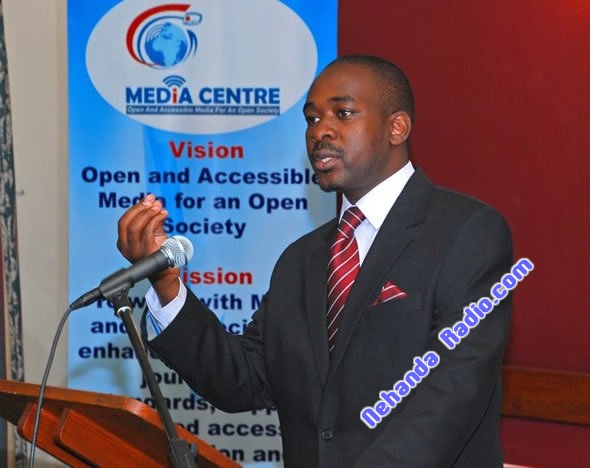
“This is a manifestation of collapse at the centre of delivery of services. We want to make sure we upscale the response of government, the response of city council to deal with the issues we are facing,” he said. The City of Harare’s health department has said 50 percent of borehole water in the city is contaminated and people should ensure they treat the water before consumption.
Harare Health Services Director, Dr Prosper Chonzi said the problem of typhoid is emanating from years of neglect of important infrastructure that facilitates the provision of basic services such as water reticulation, sanitation and refuse management, making it difficult to provide quality health services.
Dr Chonzi said typhoid is spread through consumption of contaminated food and water, so where there is movement of people it becomes difficult to contain the disease. He said he was getting worried about the number of diarrhoea cases being reported and added that they were taking these issues seriously.
“Our major problem is resources. Our team has few people and we fear that fatigue might start to creep in at this stage. We are doing all we can and we have started doing door to door services to ensure people have information and distribute aqua tablets to treat their water, be it borehole or City of Harare water,” said Dr Chonzi.
“We are referring serious cases to Beatrice Infectious Diseases Hospital and so far we have 71 patients in hospital,” he said. There have been no typhoid-related deaths recorded yet. About 1000 typhoid cases have been reported at Kuwadzana 4 clinic in a week and about 800 cases in Dzivarasekwa. Nehanda Radio.com