The United States maintains that its ceasefire agreement with Iran remains in force, even after a fresh wave of hostilities in the strategically critical Strait of Hormuz.
Speaking at the Pentagon on Tuesday, Secretary of Defense Pete Hegseth reaffirmed that the truce has not collapsed. His comments followed Iranian attacks targeting both US personnel and merchant vessels under American protection.
The incidents came shortly after Washington launched “Project Freedom,” a naval initiative designed to escort commercial ships stranded in the Persian Gulf since fighting erupted on February 28.
The operation, announced by President Donald Trump over the weekend, aims to restore safe passage through one of the world’s most vital shipping routes.
Hegseth emphasized that the escort mission operates independently from the broader confrontation over Iran’s nuclear program. While acknowledging initial clashes, he said US forces had anticipated resistance and responded decisively to protect maritime traffic.
Military officials provided further detail on the scale of recent incidents.
Joint Chiefs of Staff Chair Gen. Dan Caine reported that since the ceasefire began on April 7, Iranian forces have carried out multiple hostile actions, including firing on commercial vessels nine times, seizing two container ships, and launching more than ten attacks against US forces.
Despite this activity, Caine noted that the incidents have not yet crossed the threshold that would trigger a return to full-scale combat.
Even so, rhetoric on both sides has intensified. In a television interview on Monday, Trump warned that any direct Iranian strike against US-protected shipping would provoke an overwhelming response.
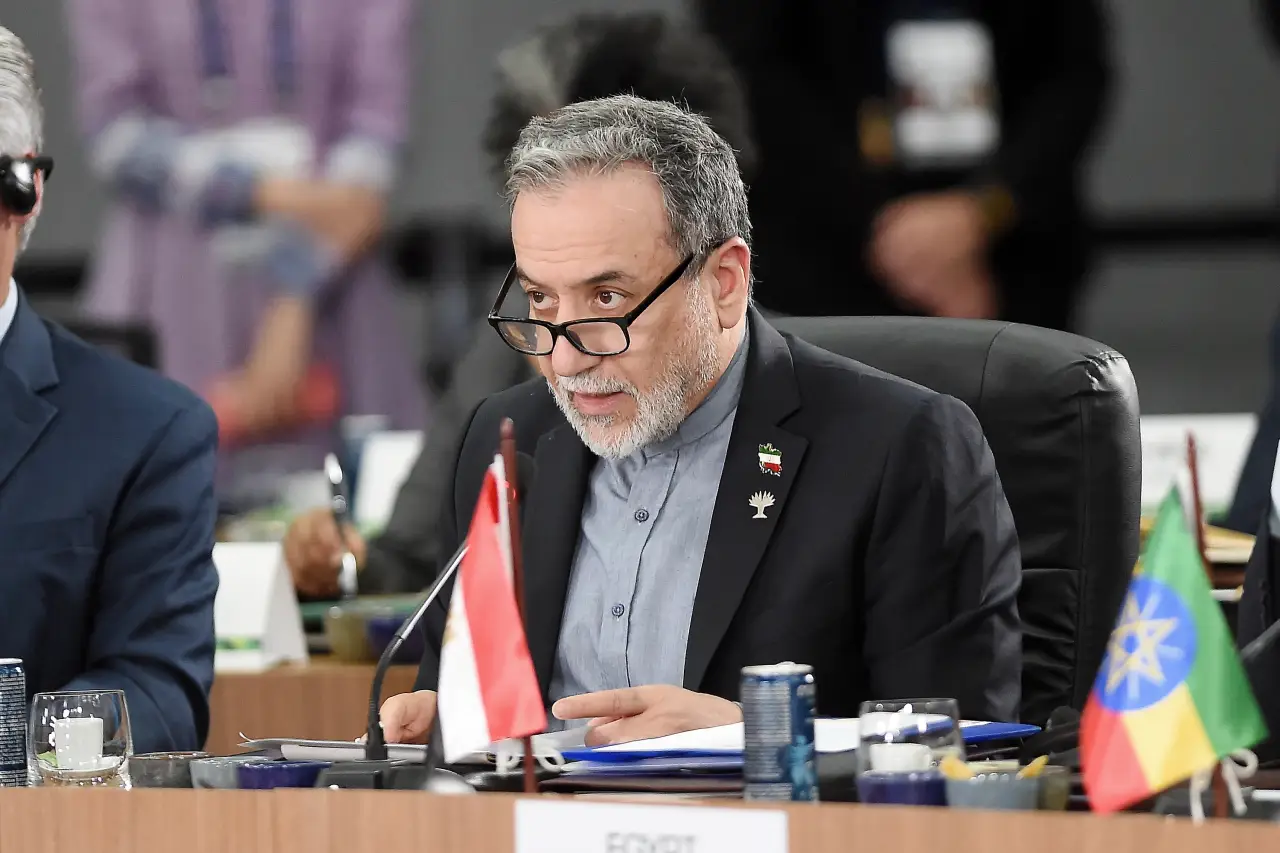
Iran, meanwhile, signaled a preference for diplomacy. Foreign Affairs Minister Abbas Araghchi stated on social media that recent developments underscore the limits of military solutions, urging continued negotiations.
He pointed to ongoing diplomatic efforts involving Pakistan and cautioned regional actors, including the United Arab Emirates, against actions that could deepen the conflict.
Economic pressures are also emerging alongside the security crisis. Iraq, a major oil exporter within OPEC, is reportedly offering discounted crude shipments for May, though buyers must be willing to navigate the increasingly dangerous Strait of Hormuz.
Officials have not yet publicly confirmed the pricing strategy.
The fragility of the ceasefire was further highlighted by a surge in regional violence earlier in the week. The United Arab Emirates reported that its air defenses intercepted a barrage of Iranian missiles and drones.
According to the UAE’s Defence Ministry, the attack involved a mix of ballistic and cruise missiles, as well as unmanned aerial vehicles, resulting in several injuries but no major damage.
As military activity persists and diplomatic channels remain active, the situation in the Gulf continues to balance precariously between containment and escalation.