Former opposition leader Nelson Chamisa is facing mounting criticism after remarks attributed to him appeared to dismiss efforts by opposition activists and civic groups seeking to unite against attempts to illegally extend President Emmerson Mnangagwa’s term in office.
In comments published by the Daily News newspaper, Chamisa reportedly described the proposed opposition coalition as an elite-driven initiative lacking legitimacy and destined to collapse. The publication carried the headline: “This engineered pact is hopeless.”
“The moment you begin from that premise, failure becomes inevitable. No one has the right to arrogate authority to themselves or appoint themselves as the voice of the people.
“You may propose ideas … but you cannot simply declare yourself entitled to leadership or legitimacy. The citizens themselves know what they want.
“Zimbabwe does not need lecturers and professors instructing people on what to do. Zimbabwe needs leaders and true leaders come from the people, not above the people. Leaders are of the people, with the people, and for the people,” Chamisa told the Daily News.
“You cannot simply wake up one day and declare yourself the convener of an organisation without a mandate from the people. That is where the problem begins, where individuals assign themselves titles, authority, influence and stature that they have not earned.
“Everyone has the democratic right to propose ideas on the basis of principle and vision, but no one has the right to award themselves legitimacy or leadership titles without the consent of the people,” Chamisa charged.
The remarks appeared aimed at CCC Senator Jameson Timba who leads the Defend the Constitution Platform (DCP) and Professor Lovemore Madhuku (National Constitutional Assembly) who are spearheading efforts to form a United Front Against CAB3 (Constitutional Amendment No. 3).
The controversy quickly triggered strong reactions across social media and political circles, with several critics accusing Chamisa of weakening resistance to proposed constitutional changes linked to President Emmerson Mnangagwa.
Commenting on X, activist Sandile Makeba accused Chamisa of abandoning the opposition movement at a critical political moment before attacking those attempting to organise resistance efforts.
“Chamisa cannot spend years positioning himself as the face of democratic resistance, disappear at the most critical constitutional moment, then attack leaders trying to fill the leadership vacuum he betrayed for…(redacted) Chamisa is a snake.”
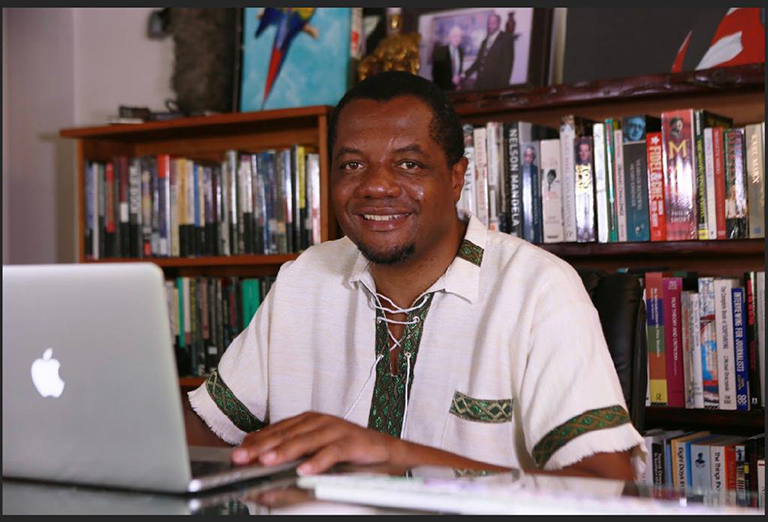
Investigative journalist Hopewell Chin’ono also criticised Chamisa, questioning why he would undermine citizens attempting to oppose Constitutional Amendment Bill No. 3.
“Does Nelson Chamisa want Zimbabweans to simply sit back and watch Constitutional Amendment No. 3 being pushed through without resistance? Does he expect people to wait for him to return from America and only then decide when an opposition movement should emerge?”
Chin’ono argued that Chamisa had previously encouraged supporters to form their own political organisations and initiatives, making his criticism of emerging opposition efforts appear contradictory.
He further warned that attacks on anti-CAB3 organisers could strengthen perceptions that Chamisa was indirectly benefiting forces seeking to weaken resistance to the proposed amendments.
The journalist said opposition figures should be focused on building unity against constitutional changes rather than deepening divisions within democratic movements.
Hours after the backlash intensified, Chamisa posted a message on X stating: “When leaders come, they must go. When leaders serve, they must leave. Unless they are dealers and crooks. True leaders know when to leave. Dealers and crooks never do.”
Although Chamisa did not directly mention Mnangagwa, many interpreted the post as a half-hearted attempt to criticise the moves to extend the president’s stay in office.
Chamisa responds to Daily News story
The following day Chamisa released a full statement addressing matter saying:
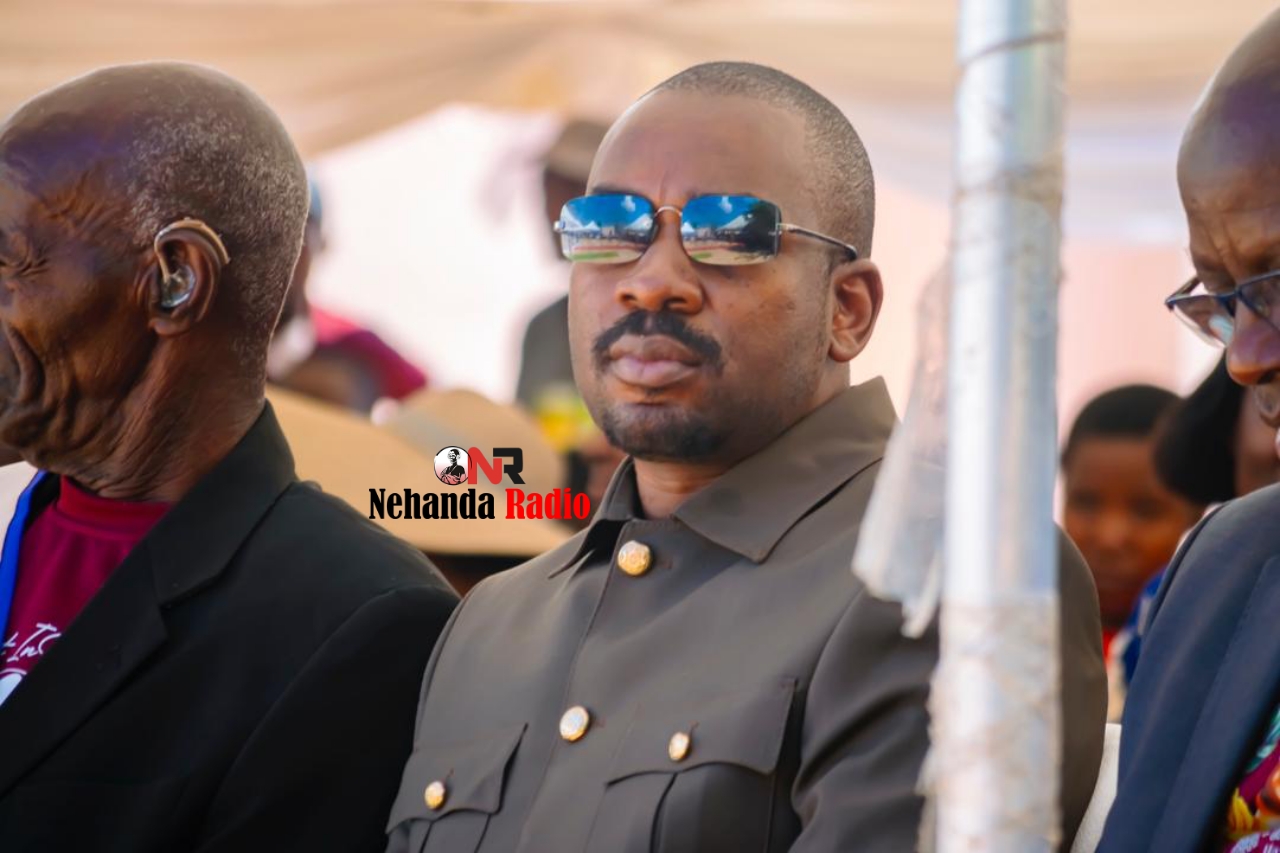
“IGNORE THE MISCHIEF..,I have noted with deep concern the Daily News front-page story titled, “This engineered pact is hopeless,” which appears to allege that I have dismissed the efforts of others to advance the struggle for a better Zimbabwe in a manner they consider appropriate.
“Regrettably, the story is misleading, is a work of editorial fiction, and is intended to inflict injury. It is a fundamental principle of journalism that reporters should report the news, not manufacture it. When editorial standards are compromised in this way, public trust and our freedoms are put at risk.
“I remain fully committed to representing the interests of the citizens of Zimbabwe and to advancing the struggle for a better country. In due course, I will be rolling out a plan aimed at achieving that goal. Any attempts to distract us from this objective will not succeed.
“Thank you for your consideration of my take. A New Great Zimbabwe in our lifetime. The citizens shall govern!” Chamisa wrote on X.
Meanwhile, The NewsHawks published commentary describing Zimbabwe’s opposition politics as increasingly fragmented following the collapse of the Citizens Coalition for Change (CCC).
The publication argued that divisions among opposition leaders had weakened their ability to effectively challenge ZANU PF.
Pro-ZANU PF commentator Levison Chambati also weighed into the debate, sarcastically thanking Chamisa for what he described as indirect support for CAB3.
“”We are grateful for Nelson Chamisa’s @nelsonchamisa contribution to CAB3. Even in silence, his message was loud and clear: CAB3 bhoo, zvekuti 👍.
“He has played his part. CAB3 is about the greater good of every Zimbabwean, including opposition supporters. Thank you, Nelson Chamisa.”
Another commentator, P Taruvinga, said Zimbabweans needed to move away from reliance on individual political figures and focus instead on building stronger democratic institutions.
“As a nation, we never learn. We once said Zimbabwe without Mugabe was impossible. Today, some want Mnangagwa till 2037. We did the same with Chamisa. He abandoned us, yet we still romanticize him. When will we stop worshipping individuals and start building institutions?”
Constitutional Amendment Bill No. 3 has generated widespread opposition from legal experts, church leaders, civic organisations, and opposition parties. Critics argue the proposed changes could weaken democratic safeguards and further centralise political authority.
Among the proposals reportedly linked to the bill are extending Mnangagwa’s final presidential term from 2028 to 2030, prolonging Parliament’s tenure by two years, and replacing direct presidential elections with a parliamentary selection process.
Religious organisations have also expressed concern. This week, Catholic bishops warned that the proposed amendments risk undermining constitutional protections and weakening institutional independence in Zimbabwe.
The growing dispute over CAB3 comes amid broader concerns about the state of Zimbabwe’s opposition politics and the ability of anti-government groups to unite around a common strategy ahead of future political battles.
Discover more from Nehanda Radio
Subscribe to get the latest posts sent to your email.