Acclaimed musician Shingai Shoniwa is turning her attention toward environmental conservation and cultural preservation through her latest release, “Mhondoro,” a song rooted in Zimbabwean tradition but framed around modern ecological concerns.
Drawing inspiration from the traditional refrain “Mhondoro dzinonwa muna Save,” the track reimagines a familiar cultural reference as a message about protecting rivers, communities and heritage in the face of environmental strain.
Rather than unveiling the project in a formal venue, Shingai invited journalists, creatives and environmental advocates into her Harare home for an intimate launch event that reflected the personal nature of the work.
“Mhondoro” is part of Flow, a wider initiative under the EarthSonic project that explores the connection between women, water and community across six countries including Zimbabwe, Brazil, Bangladesh and Iceland.
During the gathering, Shingai revealed the deeply personal history behind the song. She dedicated part of the project to her great-great-grandfather, Noah, who she said died during the construction of the Kariba Dam.
“We are still seeking peace, reconciliation and justice for his death,” she said.
The artist explained that some scenes for the music video were filmed in Binga and along the Zambezi River valley, linking the song’s environmental message to communities whose livelihoods remain tied to water systems.
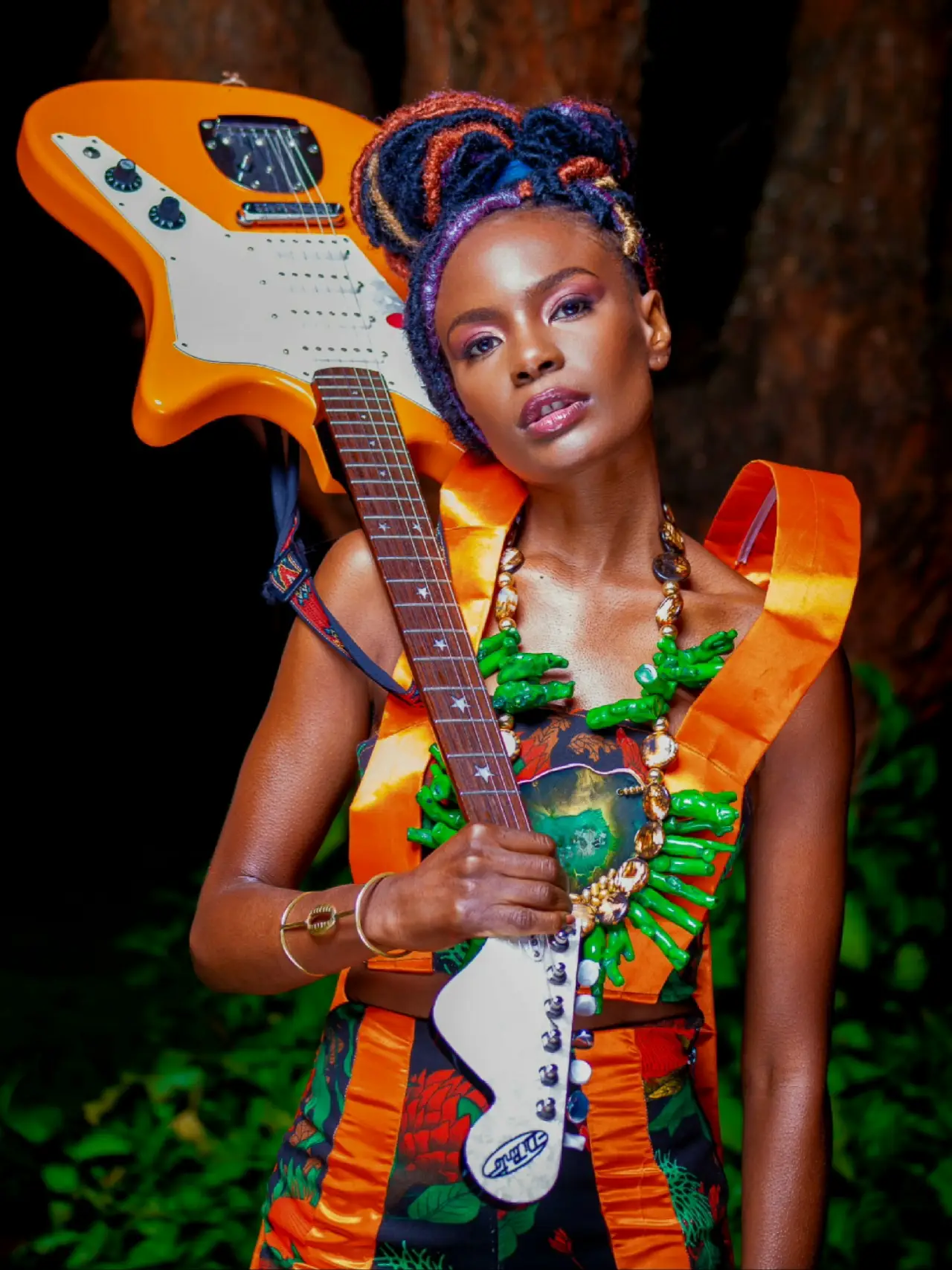
According to Shingai, the project is also about reconnecting with African values rooted in environmental stewardship.
“Ubuntu is also about the environment,” she said.
The song places particular focus on the Save River, one of Zimbabwe’s major waterways that supports agriculture, wildlife, tourism and energy generation.
While often overshadowed by the more internationally recognised Zambezi River, the Save remains central to the livelihoods of many communities and ecosystems.
Shingai highlighted growing pressures facing the river, including irrigation demands, climate change, siltation, land degradation and water diversion projects.
For the musician, preserving the environment is closely linked to preserving identity.
Zimbabwean cultural traditions have historically tied communities to totems, rivers and wildlife, creating systems of respect and responsibility toward nature.
Shingai said remembering that relationship is critical at a time when both ecosystems and cultural practices are under threat.
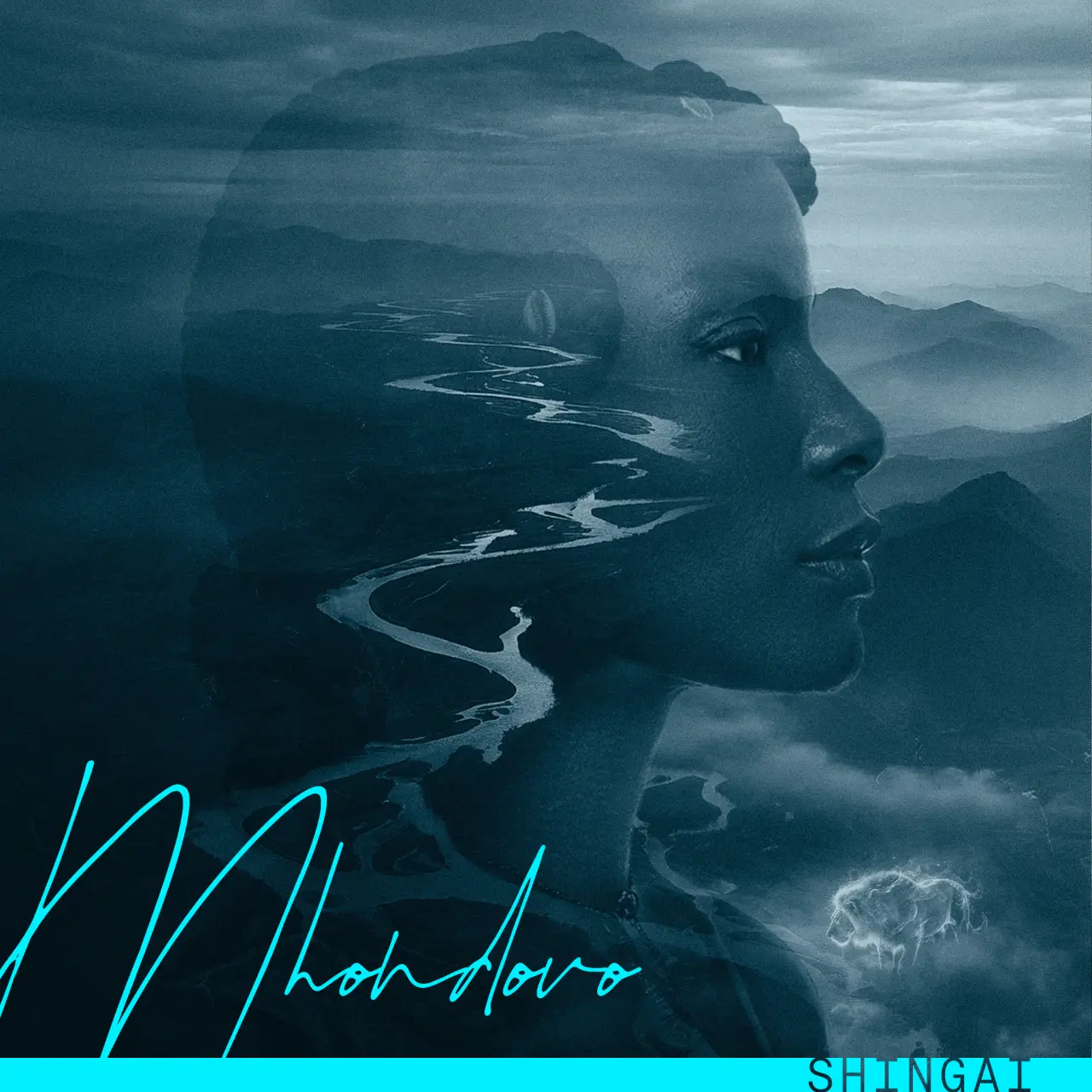
The song also serves as a celebration of traditional Zimbabwean sounds. Musically, “Mhondoro” combines sungura-inspired guitar work, mhande rhythms and contemporary production.
Shingai performed bass and rhythm guitar on the track, while lead guitar duties were handled by musician Trust Damende. Drummer Cruz joined the recording shortly before studio sessions began.
The live instrumentation for the song was reportedly completed in a single day at Bridgenorth Studios before additional production work was added later.
Beyond the music itself, Shingai used the launch to speak about her long-term ambitions for Zimbabwe’s creative sector. She said she hopes to establish a studio and cultural centre aimed at supporting young artists, particularly those working in under-resourced environments.
“I want it to be a safe space to create the new rhythms that will shape Zimbabwean music,” she said, adding that many talented young musicians are already producing impressive work with limited resources.
The artist also reflected on her evolving relationship with the Shona language and how she balances authenticity with accessibility for international audiences.
She described using the phrase “big Mhondoros” in the song as a creative choice designed to help audiences outside Zimbabwe connect with the concept, even though no direct English equivalent exists for the word “Mhondoro.”
Shingai’s recent collaborations, including “Dzimba Dzemabwe” with Winky D, have introduced her to a younger Zimbabwean audience increasingly drawn to music that blends cultural roots with modern identity.
At the Harare launch, younger performers joined in song and dance, including Chengeto Brown, daughter of the late Chiwoniso Maraire, creating a moment that reflected the project’s broader themes of continuity and belonging.
Ultimately, “Mhondoro” asks listeners to think about what happens when rivers, traditions and shared cultural memory are no longer protected—and whether music can help keep them flowing.
Discover more from Nehanda Radio
Subscribe to get the latest posts sent to your email.