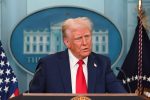
US President Donald Trump has criticised the United Kingdom and other allies, telling them to secure their own energy supplies rather than rely on Washington.
In a social media post, he warned that the United States may no longer guarantee protection for partners in the region.
Tensions around the Strait of Hormuz have escalated sharply, disrupting global oil flows, pushing fuel prices higher, and intensifying geopolitical strains across the Middle East and beyond.
The comments come as the strategic waterway—through which roughly one-fifth of the world’s oil supply normally passes—has been severely restricted amid ongoing conflict involving the US, Israel and Iran.
Shipping Through Hormuz Drops Dramatically
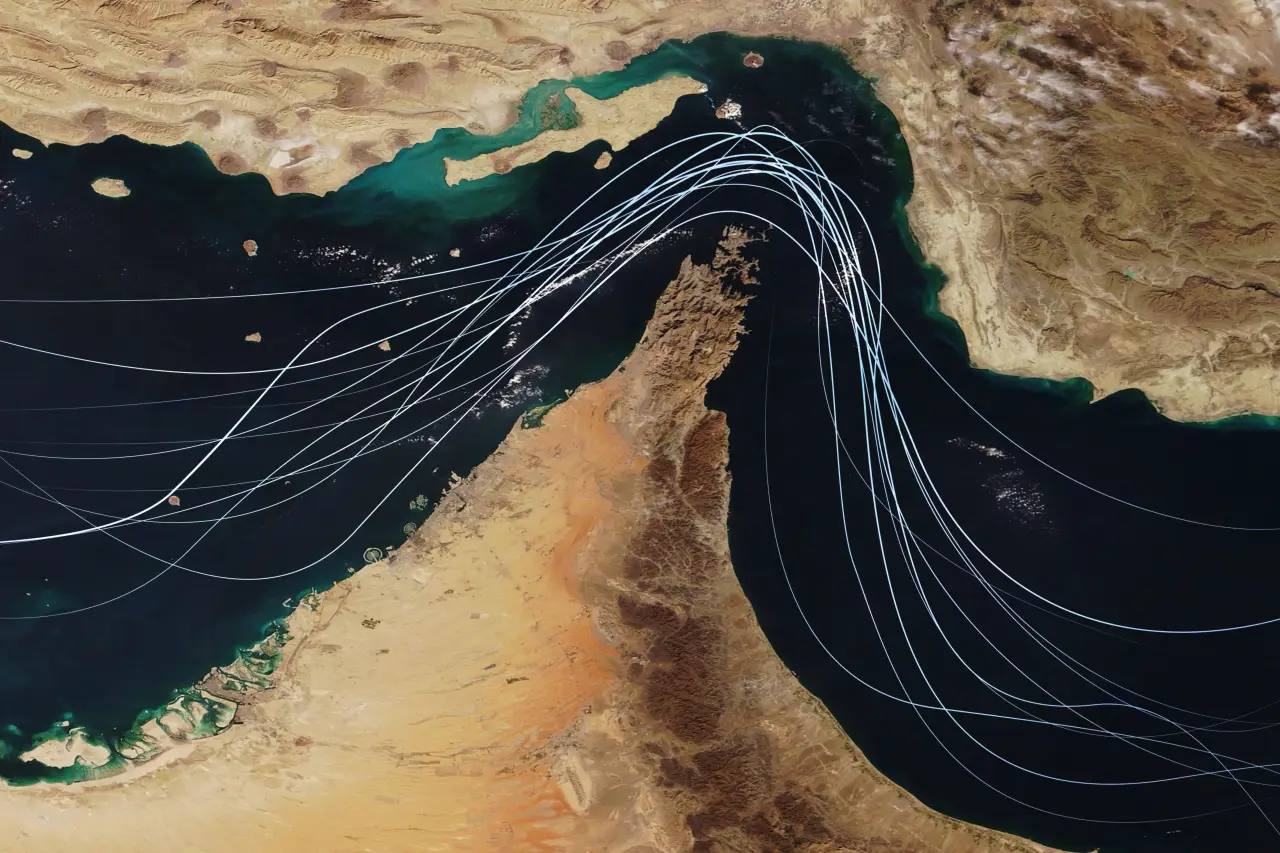
Maritime traffic through the strait has slowed to a fraction of normal levels. Tracking data indicates only a handful of vessels are currently making the passage each day, compared with nearly 140 daily transits before the conflict.
Recent figures suggest:
- Just a few ships have crossed on the latest day monitored
- Four vessels passed the day before
- Six ships transited on Sunday
- The weekly peak reached only 13 crossings
Shipping visibility remains limited due to widespread signal interference and vessels disabling tracking systems, making precise counts difficult.
US Defence Secretary Pete Hegseth said maritime traffic had increased compared with earlier disruptions, following claims that Iran had allowed additional vessels to pass. However, independent tracking data indicates flows remain heavily constrained.
Tanker Strike Near Dubai Raises Fears
Security concerns intensified after a Kuwaiti oil tanker was struck near Dubai, with officials attributing the attack to Iran. The vessel was reportedly carrying millions of barrels of crude.
Separately, debris from aerial interceptions has caused injuries in Dubai, highlighting how the conflict is spilling beyond traditional front lines.
Intensifying Military Campaign
The conflict has escalated with sustained strikes across the region. The Israel Defense Forces say they have targeted more than 200 sites in Iran within 24 hours, focusing on air defence systems, missile launchers and weapons infrastructure.
Israel has also continued operations in Lebanon against Hezbollah targets, with ongoing airstrikes in Beirut and southern areas. Lebanese authorities report more than 1,200 deaths and thousands injured since early March.
Israeli ground operations in Lebanon have resulted in confirmed military casualties, while the broader regional war has caused heavy losses, particularly in Iran and Lebanon.
Oil Prices Surge, Global Impact Widens
Energy markets have reacted sharply to the disruption. Brent crude prices have climbed from around $73 per barrel before the conflict to approximately $117.
The surge is feeding through to consumers worldwide:
- US petrol prices have risen above $4 per gallon for the first time in years
- UK fuel costs have jumped significantly, with diesel seeing the steepest increases
- Several countries, including Sri Lanka and Bangladesh, have introduced fuel rationing
- Slovenia has become the first EU nation to follow suit
- Australia has cut fuel taxes and introduced temporary public transport incentives
Outlook: Prolonged Distruption Likely
With military activity ongoing and shipping still constrained, analysts warn that instability in the Strait of Hormuz could persist, keeping pressure on global energy supplies and prices.
The situation remains fluid, with risks of further escalation across multiple fronts.