



Why I changed my mind about Minnie Baloyi’s Nandos gamble


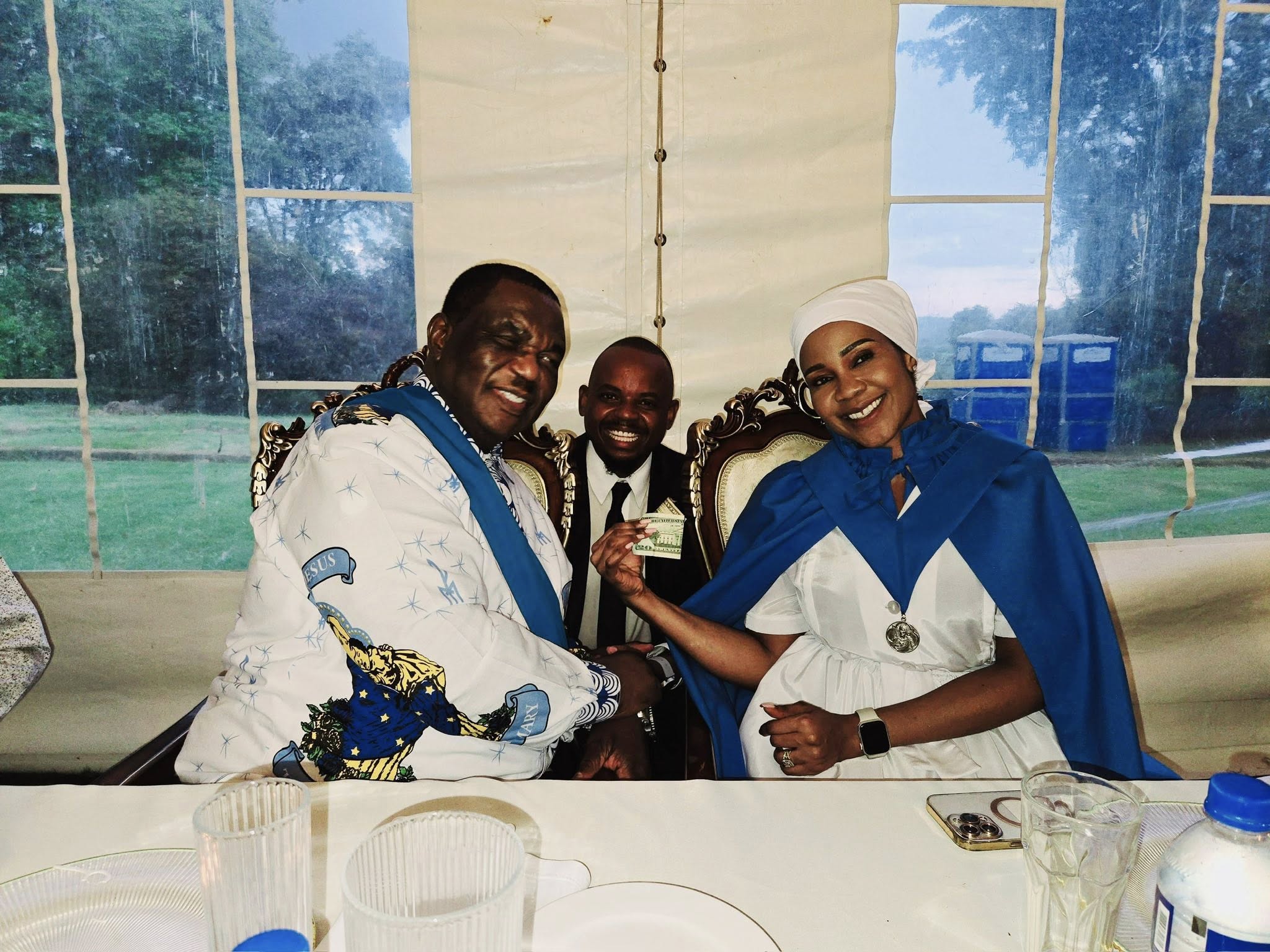
In a nation where political power often manifests through stern speeches and military parades, one woman is quietly rewriting the rules of public engagement. Colonel Minnie Baloyi Chiwenga, wife of Zimbabwe’s Vice President Constantino Chiwenga, recently turned heads by hosting Edwin Brisco Chisango, the viral sensation known as the Nando’s Guy, and his wife for a promised meal.
What began as a lighthearted social media exchange, with Chisango boldly offering to treat the vice presidential couple to Nando’s, evolved into a real-life gathering that captured hearts across Zimbabwe. Baloyi, true to her word, welcomed them into her world, sharing photos and stories that radiated warmth and authenticity.
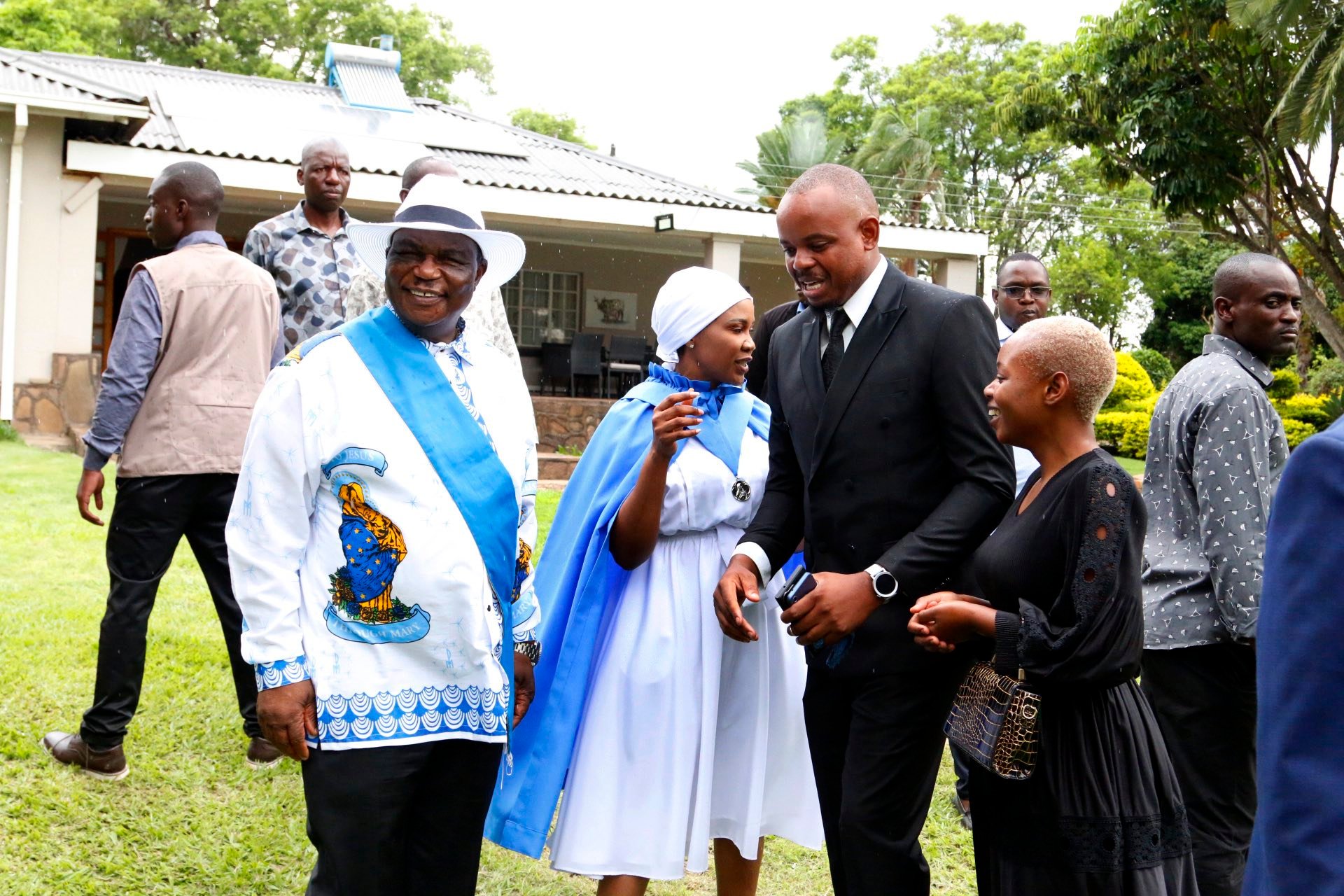

This gesture was no mere photo opportunity; it was a brilliant stroke of soft public relations, bridging the gap between the elite and the everyday citizen, and reminding us all that leadership can be approachable amid the country’s ongoing economic and political strains.
This event exemplifies Baloyi’s knack for transforming digital banter into tangible connections. By fulfilling her promise, she demonstrated reliability in an era when public figures often make pledges that fade into oblivion. Social media erupted with praise, users hailing her charm and eloquence, and even dubbing Chisango a national asset for his confident outreach.
The buzz was organic, spreading like wildfire through shares and comments, softening the often austere image of the vice presidency. In a polarised landscape marked by tensions over governance and reform, such moments humanise those in power, fostering a sense of shared humanity. Who would have thought a simple meal could generate more goodwill than a dozen official statements?
Yet this is not an isolated incident. Baloyi’s soft PR prowess reveals itself in a pattern of strategic, relatable actions that contrast sharply with the hard-power tactics dominant in Zimbabwean politics. Consider her viral gym workout videos, where she tackles intense squats, planks, and skipping rope challenges with evident determination. These posts, shared widely on platforms like Instagram, position her as a health-conscious role model, inspiring ordinary Zimbabweans to prioritise wellness in a nation grappling with healthcare shortages and lifestyle diseases.
Rather than projecting unattainable glamour, she appears sweaty and focused, much like anyone pushing through a routine. This authenticity resonates, encouraging citizens to see her not as a distant colonel, but as a fellow striver for better living.
Her philanthropic efforts further underscore this approach. Recently, Baloyi donated 20 wheelchairs and US$2000 to musician Greatman’s charity initiative, aimed at supporting impoverished communities. At the handover event, she spoke passionately about compassion and community upliftment, her words amplifying the act’s impact. Such gestures go beyond material aid; they craft a narrative of generosity, showing direct concern for the vulnerable. In a country where inequality persists, these actions build bridges, portraying her as a benefactor who listens and responds to real needs.

Baloyi’s fashion sense adds another layer to her image-building. Her regalia designs, blending traditional Zimbabwean elements with modern flair, have earned widespread acclaim for creativity and cultural pride. Whether at public events or in shared photos, she emerges as a stylish influencer within political circles, subtly elevating the conversation around national identity. This is not superficial; it ties into broader themes of heritage and innovation, making her a symbol of progressive patriotism.
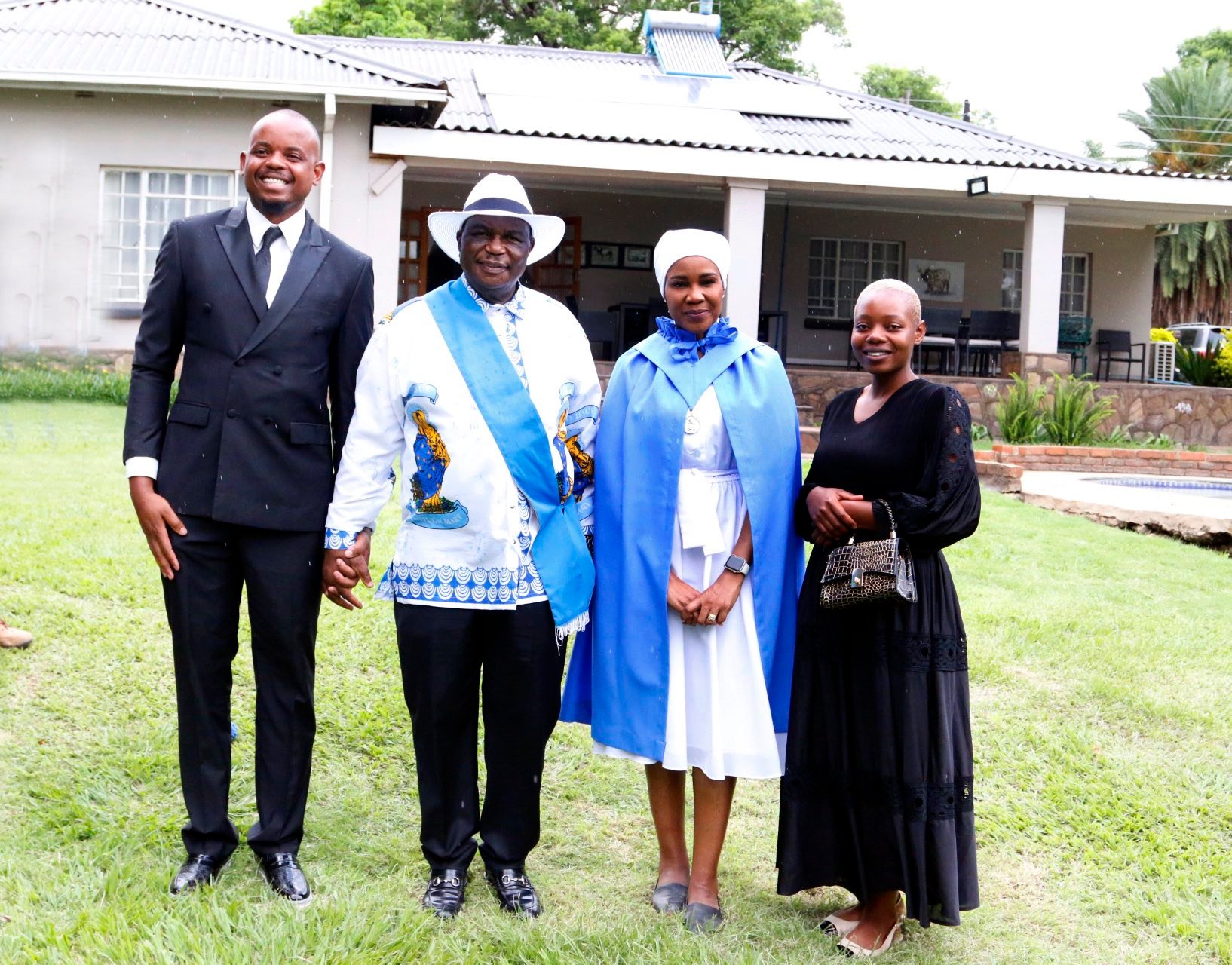
Religious engagements also play a key role in her unassuming strategy. Her completion of the Marian Guild initiation, marked by donning the uniform as a emblem of faith-guided living, weaves spirituality, family values, and patriotism into her persona. Analysts have noted how this move rebranded her husband overnight, shifting perceptions from military rigidity to a more holistic, virtuous leadership. By publicly embracing these elements, Baloyi invites the public into her personal world, fostering emotional connections that hard-power displays, such as authoritative rallies, rarely achieve.
Broader humanitarian work, as highlighted in her Instagram bio, focuses on providing hope, food, water, healthcare, and education to those in need. Small, symbolic acts, like carrying snacks and water for the Vice President during events, underscore care and foresight in a high-stakes environment. These details, shared online, humanise the couple, portraying them as thoughtful partners navigating life’s pressures together.
What I call Minnie Magic – a moniker that I personally coined – lies in this blend of social media savvy, personal authenticity, and community engagement. Unlike traditional tactics, where power is asserted through decrees or shows of force, Baloyi’s method builds intangible goodwill. It fosters loyalty among the youth and middle class, who crave relatable figures in a digital age.
Rhetorically, one might ask: in a divided society, does not a smile and a kept promise disarm critics more effectively than a stern warning? Social media reactions bear this out, with users praising her as an enabler of positive national stories, her eloquence drawing comparisons to inspirational leaders. Media coverage echoes this, highlighting how faith and family have reshaped the Chiwenga narrative, turning potential scepticism into admiration.
Of course, sceptics might question whether these acts are calculated or genuinely heartfelt. In politics, authenticity can be performative, and Baloyi’s military background invites scrutiny. Even I, as the writer, was initially sceptical about this Nando’s thing, seeing it as a naive security gamble.
A few weeks ago, after Baloyi made the Nando’s callout on Facebook, I posted an analysis pointing out how her casual, unfiltered post – asking someone to resend details while admitting to lost message threads and feeling overwhelmed-revealed a warm but unguarded personality that clashed with the cautious norms of high-level political communication.
While her openness fostered relatability, I argued, it opened doors to misinterpretation, reputational damage, and serious security risks like phishing or manipulation by impostors, especially in Zimbabwe’s adversarial political arena, where unmediated digital interactions could expose vulnerabilities in a world of information warfare, highlighting a tension between genuine candour and the strategic caution demanded by her position.
But I changed my mind after seeing how well the whole thing went down. Such acts, even if strategic, have undeniable effectiveness. They shift narratives, insulating the family from broader criticisms in a landscape rife with debates over economic policies and democratic reforms. By engaging directly with citizens, Baloyi creates a buffer of positive sentiment, proving that soft PR can thrive where hard power falters.
Looking ahead, Baloyi’s approach could reshape Zimbabwe’s political dynamics. As succession debates simmer, her influence might position her as a pivotal figure, blending soft skills with hard credentials. Moreover, she embodies women’s empowerment in African politics, showing how spouses can wield impact beyond ceremonial roles. Could this model inspire a new generation of leaders who prioritise connection over confrontation?
In a hard-power world, Baloyi’s soft prowess offers a compelling alternative, one that might just pave the way for more inclusive governance. As Zimbabwe navigates its future, her story reminds us that true power often lies in the gentle art of relatability.


