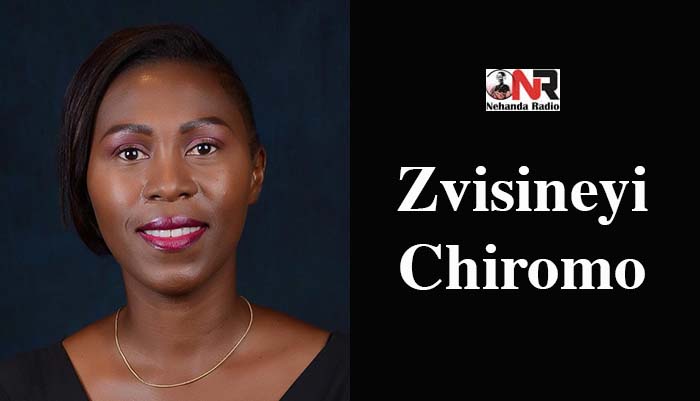
By Zvisineyi Chiromo
Traditional party politics seem to have us frozen in time. 40 years since our nation’s transition, we are still struggling to demand the democratic rights we know we can claim.
The first 20 years were claimed by the ruling party. The second 20 have been a match of wills between the ruling party playing identity politics and repeatedly punishing opposition for challenging the status quo. It has become clear that this back and forth poses more challenges for the population to expect any huge change in the future of Zimbabwean politics.
The country continues to be shrouded in a benevolent autocracy and as long as there is closed politics, they can use their weapon of choice, fear, to keep us from holding them accountable.
With some level of urgency though, the people now need real platforms for engagement. Currently in 2020, the citizenry is stuck because of three generational mindsets all manipulated by dogmatic leadership.
Firstly, the age of the majority of our population. Approximately just under 60% of our population is less than 24 years old. Our hot blooded unemployed and disenfranchised children feel so helpless and excluded that they release their frustrations at the beckoning of whichever wave comes their way and violence ensues.
Secondly, our young adults, the 25 to 38 year olds who’ve made a life off hustling. They have hope for their budding offspring, though many of them continue to consider escaping Zimbabwe. They have hope because they see it is possible to live better. Their social connectedness inspires their boundary less world. But home is still home.
Lastly, the over 38’s. The experienced, tolerant and productive age group who are essentially the lost generation, either in Zimbabwe or in the diaspora pining for long lost memories but unable to do anything because they were brought up by the very regime that no longer serves them.
Bearing all this in mind, how do we merge the desperate needs of all people and together move the country forward? By both claiming our democratic rights and voicing the agony of why our leaders cannot look within and hear the cries of their people.
Voicing opposing views while holding space for negotiations on behalf of the people makes for a democracy, but we walk a parallel path alongside the mysterious institutional politics drowning our complaints. Our MP’s bundle together broad policy formulation agendas with minor policy implementation issues and then simple public service delivery drags on or stops altogether.
Why? Because we have not decentralized the power and finances to enable local members of parliament make local decisions? Or has this happened and the common man does not know?
What our youth might not know is that Zimbabwe embraced democracy with full force in its early years for citizens to demand development. However, what became clear in the early 1990’s, was that the demands were conditional to a complete and all powerful presidency.
We were clouded by the inception of multi-party politics used as a democratic veil to pacify our growing dismay. Fast forward to 2020, not much has changed, if anything we have regressed.
But what if we could now begin to do things differently and focus on the democratic gains to be made in our immediate council areas, what changes could we see? For too long we have been drowned by big politics forgetting we have MP’s and council members within our locales. They in turn have a seat at the big table in the national assembly.
We have more than one political party and therefore the basic framework for what a democracy needs to work. We need to recognize and put to task those 350 national assembly and senate seat members who hold our daily fate.
Those are the people we see driving and fueling their cars, taking their children to school, having access to the things we are dying for and yet they are supposed to be serving us to get the same.
Let’s look at the facts. Currently, Zimbabwe has two prominent political parties, and several others are registered, all whom in 2018 made progressive waves to the political arena. They promised us massive progress during their campaigns. Some hold seats in parliament, have a say; have the power to make certain things happen and to communicate feedback to their constituents.
If we are to become political participants, then we must hold our representatives accountable to the explicit promises they made to us. The good thing is there are several documented resources highlighting promises made for the 2018-2023 period.
A quick and easy read is Sivio’s ZIMAT (Zimbabwe Manifesto Analysis Tool) developed for the 2018 election campaigns https://www.sivioinstitute.org/centers-programs/policy-center/manifestos-analysis/. It demystifies and filters down political promises for all to comprehend. There are several other online resources, they just need time to get to reading.
I remind myself here that campaigns and manifestos are for elections. The actual heartbeat of the nation is happening now as we speak, behind closed doors through proposals, lobbies and super private caucuses that rear their heads weekly in parliament.
Right now, reports of national assembly parliamentary proceedings (HANSARD) are public record https://www.parlzim.gov.zw/national-assembly-hansard-search. Though laborious to read, they are at least a gateway for us to get a picture of why things are the way they are.
By just doing a quick search, you can see if your representative attended or was absent, what was discussed in detail and by whom. Their email addresses and phone numbers are posted on the parliament webpage, I am just not sure if they work. Many of us don’t know who represents us, they might even live in our vicinity, but we won’t know until we get informed.
The decisions made in the national assembly save for the constitutional powers of the president to overrule certain decries remain the active democratic voice we need to hear. I urge us all to not only internalize the promises made in 2018 but to now keep abreast of the goings on in parliament, create platforms to engage our council members and begin to push for the changes we want.
I contend it will be difficult to break the barriers as ordinary people and so we can bridge this gap with the help of our civil society organizations. They have direct access to the government representatives needed for dialogue and resources to educate people on their rights and what their parliamentarian’s roles are. It is possible if we do it together.
Zvisineyi Chiromo is a Zimbabwean based in the diaspora. You can follow her on Twitter: @Zvisineyi_C
Discover more from Nehanda Radio
Subscribe to get the latest posts sent to your email.