



The iron will of Morgan Tsvangirai: Why Zimbabwe’s greatest opposition leader still towers above the rest

On this day, the fourteenth of February, the red dust of Buhera seems to hang a little heavier in the Zimbabwean air.
It has been several years since Morgan Richard Tsvangirai succumbed to the cruel embrace of colon cancer in a South African hospital, yet the void he left behind has not merely remained unfilled; it has widened into a chasm.
To remember Tsvangirai today is not just an act of mourning a fallen giant, but a necessary exercise in clinical comparison. As the sun sets on another anniversary of his passing, the shadow of the “Save” totem looms large over his successor, Nelson Chamisa.

While Chamisa possesses the silver tongue of a Pentecostal preacher and the polished optics of a modern digital campaigner, he lacks the visceral, bone-deep connection to the Zimbabwean soil that made Tsvangirai the greatest opposition politician the nation has ever known.
Tsvangirai’s greatness was not forged in the air-conditioned boardrooms of non-governmental organisations or the hushed ivory towers of academia.
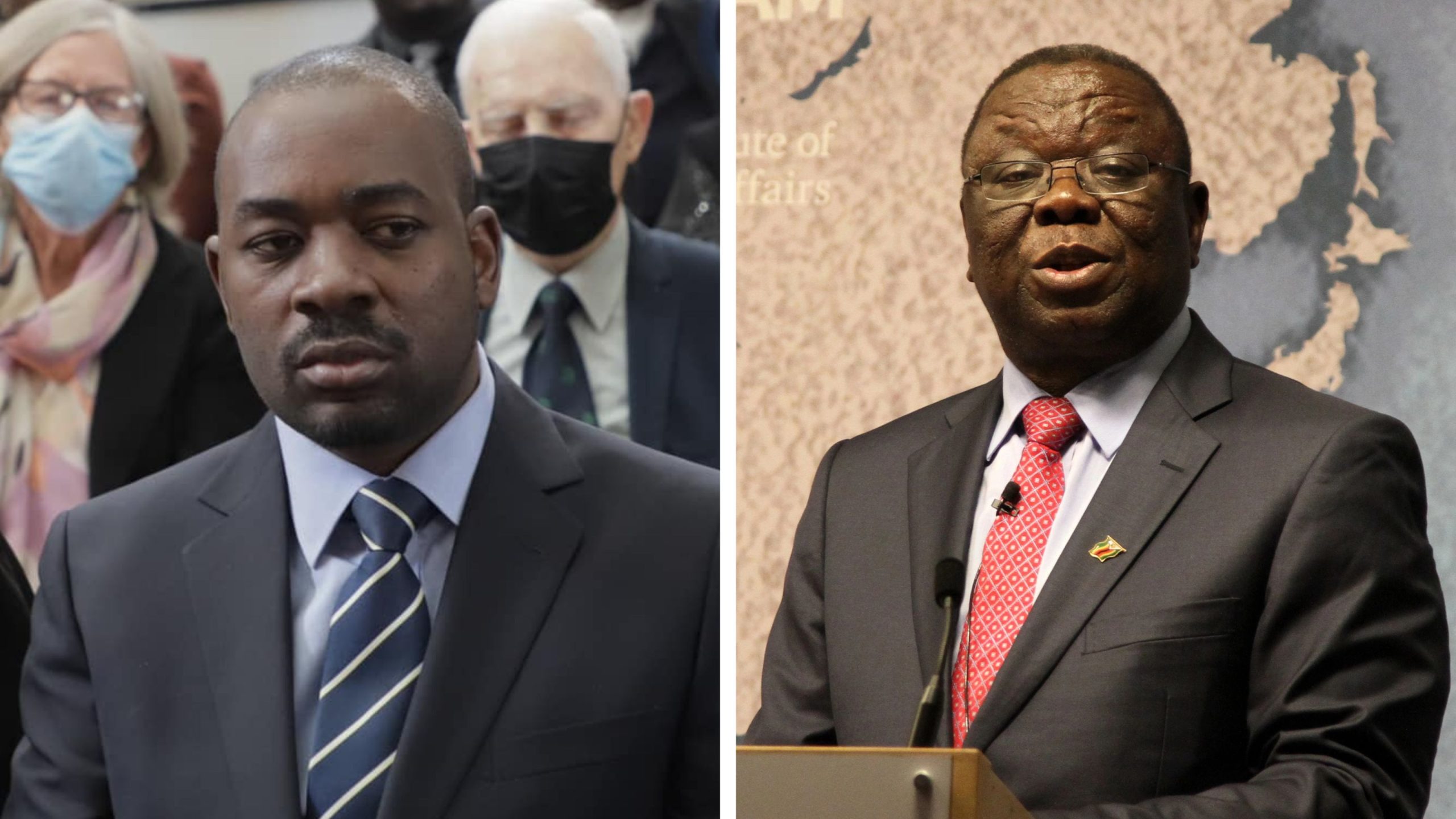
It was forged in the heat of the nickel mines of Bindura and the grit of the Zimbabwe Congress of Trade Unions. He was a man of the people in the most literal sense.
When he spoke, he did not use the high-flown, often cryptic metaphors that define Chamisa’s “strategic ambiguity.” Tsvangirai spoke the language of the bread bin and the bus rank.
He understood that the Zimbabwean struggle was not a theoretical debate about “the structure of the state,” but a desperate cry for a living wage and a plate of sadza.
This was his primary advantage: authenticity. Where Chamisa often feels like a carefully curated brand, Tsvangirai felt like a force of nature.
The most striking difference between the two lies in their relationship with personal risk and physical presence. Tsvangirai’s body was a living map of the brutality of the ZANU PF regime.
One cannot discuss his legacy without recalling the 2007 Machipisa prayer meeting, where the world watched in horror as a swollen, battered Tsvangirai emerged from police custody, his skull cracked but his spirit ostensibly intact.
He was a leader who led from the front of the teargas canister. There was a raw, rugged courage in his refusal to retreat, even when the state’s machinery of violence was focused squarely on his forehead.
In contrast, Chamisa’s leadership has often been criticised for a certain tactical daintiness. While Chamisa is undoubtedly courageous in his own right, his approach is more cerebral and distanced.
Tsvangirai’s legitimacy was written in his own blood; Chamisa’s is often asserted through hashtags and charismatic rallies.
Furthermore, Tsvangirai mastered the “Big Tent” philosophy in a way that continues to elude the current opposition leadership.
When the Movement for Democratic Change (MDC) was formed in 1999, it was a beautiful, chaotic mosaic of trade unionists, white commercial farmers, students and civic society activists.
Tsvangirai was the glue that held these disparate, often conflicting interests together. He understood that to defeat a liberation movement, one needed a broad national front, not a narrow cult of personality.
Chamisa’s transition from the MDC to the Citizens Coalition for Change (CCC), and his subsequent “strategic ambiguity” regarding party structures, has inadvertently led to a thinning of that tent.
By centralising power and shunning formal structures to ostensibly avoid infiltration, Chamisa has also shut out the very diversity of thought that made the early MDC a juggernaut.
There is a vital lesson here for Chamisa and all who aspire to lead the Zimbabwean opposition: power is not given; it is organised.
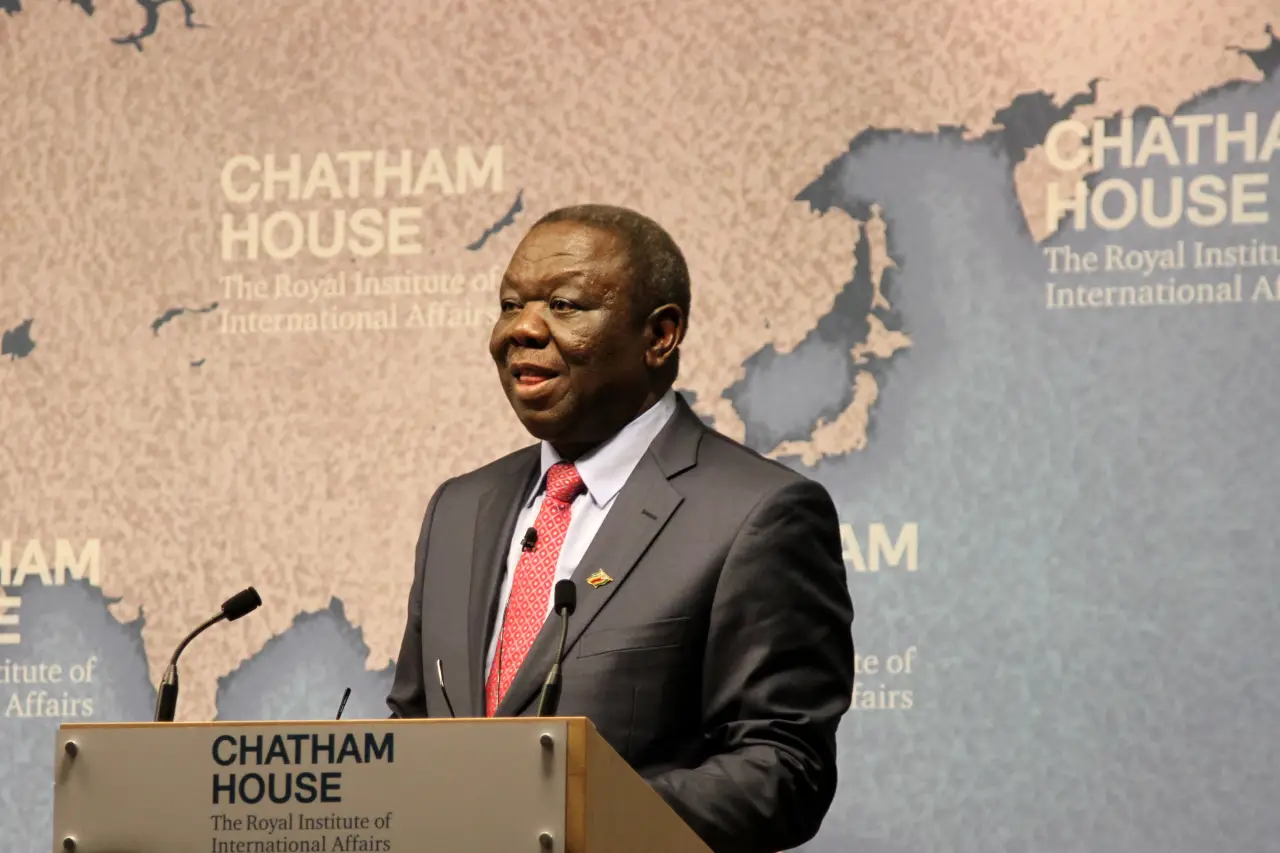
Tsvangirai’s MDC was an organisational masterpiece that reached into the furthest corners of rural Zimbabwe, challenging ZANU PF in its own backyard. He didn’t just wait for a “divine sign” or an electoral miracle; he built a machine.

Chamisa, conversely, has leaned heavily on his personal charisma. While charisma wins hearts, only organisation wins elections in a landscape as tilted as Zimbabwe’s.
Tsvangirai knew that every village needed a chairperson and every polling station needed a shepherd. He did not rely on the “God is in it” mantra as a substitute for a robust polling station agents’ network.
Moreover, Tsvangirai’s tenure as Prime Minister during the Government of National Unity (GNU) between 2009 and 2013, though flawed, demonstrated a pragmatic willingness to govern.
He was willing to sit across the table from his tormentor, Robert Mugabe, for the sake of the nation’s survival. This was not a sign of weakness, as some critics claimed at the time, but a profound display of statesmanship. He prioritised the stabilisation of the economy – the end of the hyperinflationary nightmare – over his own political purity.
He understood that politics is the art of the possible. Chamisa’s “all or nothing” approach has often left his supporters in a state of perpetual protest without the tangible relief that Tsvangirai’s pragmatism once provided.
The most poignant lesson Chamisa must learn from his predecessor is the importance of institutional succession and internal democracy.
Tsvangirai’s later years were marred by his own failure to manage the succession battle, a failure that led to the very fractures Chamisa eventually exploited to take power. However, instead of exorcising the demon of “strongman-ism,” Chamisa has, in many ways, doubled down on it.
The lack of a formal constitution, a clear leadership hierarchy and transparent decision-making processes in the current opposition movement is a regression from the democratic ideals Tsvangirai initially championed.
A movement that seeks to democratise a nation must first democratise itself.
Tsvangirai was not a saint. He made monumental errors, particularly his failure to push for meaningful media and security sector reforms during the GNU. He was often outmanoeuvred by the wily Mugabe, who used the four years of the coalition to rebuild the ZANU PF machinery.
Yet, even in his failures, Tsvangirai remained “Morgan.” He was relatable. He was human. He would laugh, he would blunder, and he would weep. This humanity was his greatest political currency.
Zimbabweans didn’t just vote for him; they loved him. They saw in him a reflection of their own struggles and their own resilience.
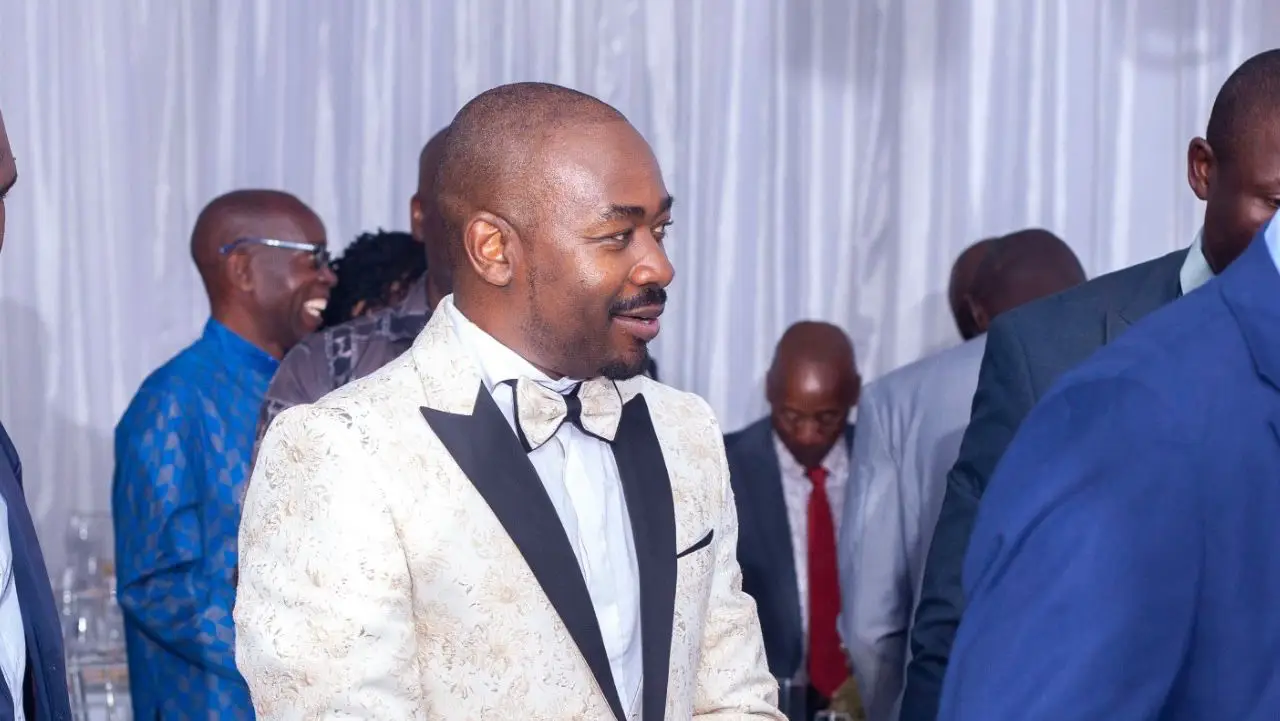
Chamisa, by comparison, often feels like he is performing for an audience rather than leading a community. His speeches are like demagogic harangues, but they often lack the grounding in policy and the “common touch” that defined the era of the red T-shirt.
Where Tsvangirai was a hammer, Chamisa is a sword. But against the anvil of the Zimbabwean state, sometimes a hammer is what is required.
The opposition today is more sophisticated, more tech-savvy, and perhaps more “modern,” but it is also more detached from the rural masses who still hold the keys to State House.
The ghost of Morgan Tsvangirai still walks the streets of Harare and the footpaths of Gutu. It whispers that the struggle for democracy is a marathon of sacrifice, not a sprint of slogans.
It reminds us that a leader’s strength is not measured by the number of followers on social media, but by the number of people who feel represented when that leader opens their mouth. Tsvangirai was the voice of the voiceless because he had lived their silence.
As we mark this anniversary, the call to the current opposition leadership is clear – return to the grassroots. Abandon the safety of the city and the comfort of the digital space.
Rebuild the “Big Tent” that Tsvangirai so painstakingly erected. Understand that leadership is about more than just being the “younger, fresher” alternative; it is about being the more grounded, more organised and more courageous champion of the ordinary worker.
Morgan Richard Tsvangirai was a flawed hero, a giant who stumbled, but he was undeniably a giant. He broke the myth of ZANU PF’s invincibility and gave a generation of Zimbabweans the permission to dream of a different future.
Nelson Chamisa has the potential to complete the journey that Tsvangirai started, but only if he humbles himself enough to learn from the manual his predecessor left behind.
The manual of the mine-worker, the manual of the bruised prayer-warrior, and the manual of the man who knew that in the end, the people are the only true source of power.
On this Valentine’s Day, Zimbabwe remembers its first love in the struggle for democracy, and it waits to see if the new suitor can ever truly fill his boots.
Gabriel Manyati is a Zimbabwean journalist and analyst delivering incisive commentary on politics, human interest stories, and current affairs.

