



The legacy of liberation: A critical examination of Southern Africa’s liberation movements

In a recent gathering, six prominent Southern African liberation movements—the African National Congress (ANC), Popular Movement for the Liberation of Angola (MPLA), South West Africa People’s Organization (SWAPO), Mozambique Liberation Front (FRELIMO), Zimbabwe African National Union-Patriotic Front (ZANU-PF), and Chama Cha Mapinduzi (CCM)—celebrated their historical struggle for independence from colonial rule.
Dubbed the Liberation Movements Summit, this event was a moment of reflection on their collective legacy of fighting against oppression.
However, a closer examination of the current political and economic landscapes in their respective nations reveals a troubling paradox: the very movements that once championed freedom now preside over governments characterized by rampant corruption, nepotism, dictatorship, and economic mismanagement.

The ANC: A Struggle Turned Stagnation
The ANC, celebrated for its pivotal role in dismantling apartheid, has faced significant challenges under the leadership of Cyril Ramaphosa. Although he came to power promising to tackle corruption, the party has been embroiled in scandals that undermine public trust.
Allegations of “state capture” and corruption involving high-ranking officials have plagued the ANC, leading to a decline in its popularity. Many citizens who fought for freedom now find themselves disillusioned, as the promises of equality and prosperity remain unfulfilled.
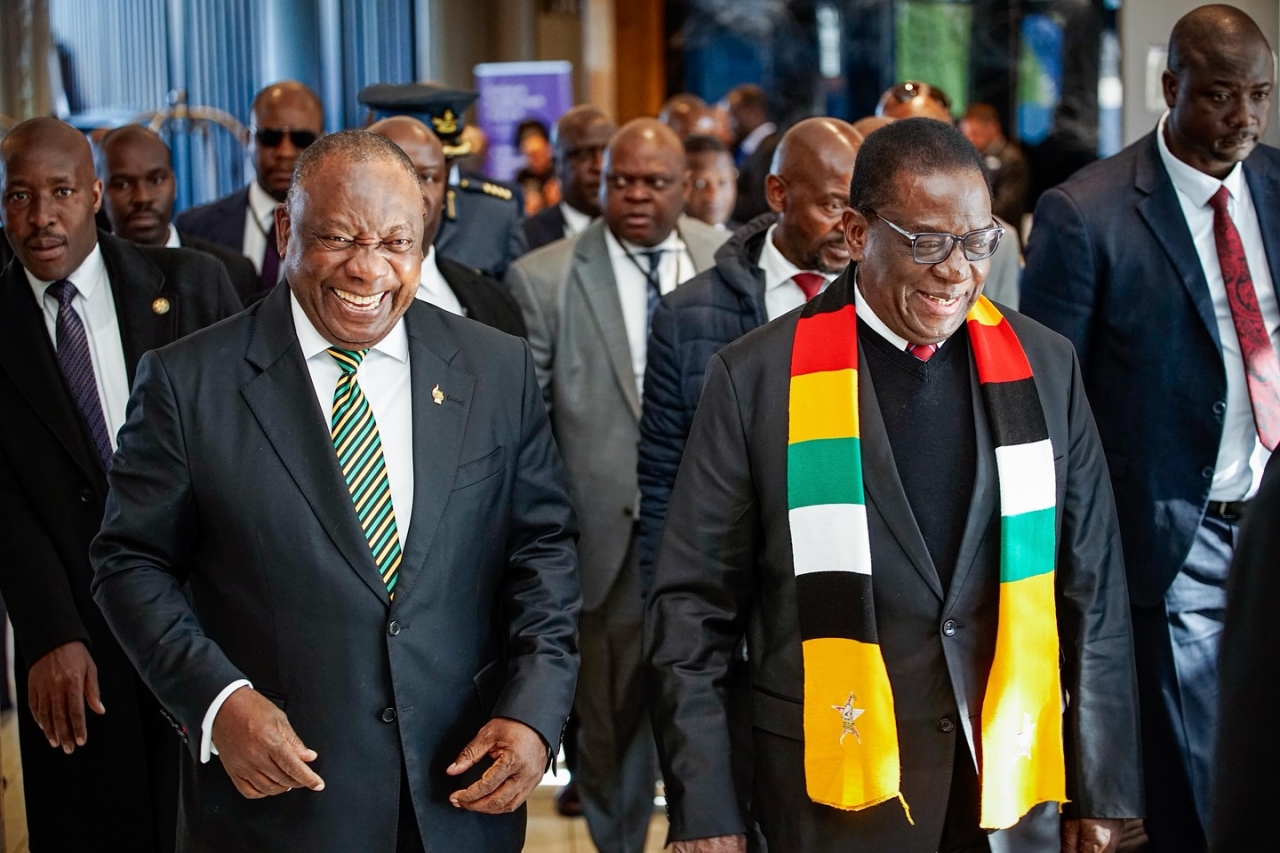
Ramaphosa’s administration has struggled to address the pressing issues of unemployment and poverty, with millions still living in dire conditions.
Furthermore, the ANC’s reliance on a patronage system has fostered an environment where nepotism flourishes, with party loyalists prioritized over qualified individuals. This has resulted in ineffective governance, stifling economic progress and leaving many South Africans yearning for real change.
The ANC’s grip on power has also raised concerns about electoral integrity. Reports of voter intimidation and manipulation during elections have been increasingly common, leading critics to question the legitimacy of the electoral process.
As the party seeks to maintain its hold on power, the very democratic principles it once championed seem increasingly compromised, leaving a once-hopeful nation grappling with the reality of a leadership that has lost its way.
MPLA: From Liberation to Authoritarianism
The MPLA has transformed from a liberation movement into a ruling party marked by authoritarian tendencies under the leadership of João Lourenço. Although Lourenço initially promised reforms and anti-corruption measures, the MPLA has been accused of consolidating power and suppressing dissent.
The government’s hold on the media and political opposition has stifled free expression, with critics facing harassment and intimidation. This repressive environment has created a climate of fear, stifling the very democratic ideals the MPLA once fought for.

Corruption remains a significant issue in Angola, with allegations of misappropriation of state resources by elites connected to the MPLA. Despite the country’s vast oil wealth, the benefits have not trickled down to the average citizen, leading to widespread poverty and disillusionment.
The MPLA’s failure to address these disparities has fueled public anger, prompting protests that the government has responded to with force, further entrenching its authoritarian grip.
Elections in Angola have also raised eyebrows, with accusations of manipulation and voter suppression becoming commonplace.
The MPLA’s tactics to maintain power include controlling the electoral process and silencing opposition voices, undermining the democratic framework the party once fought to establish.
As the MPLA continues to cling to power, the dreams of independence and self-determination seem increasingly distant for the Angolan people.
SWAPO: The Deterioration of Democratic Ideals
SWAPO, which led Namibia to independence, has seen its ideals erode under the leadership of Hage Geingob. While the party initially represented hope and progress, it now faces criticism for fostering a political culture rife with nepotism and corruption.
The government has been accused of prioritizing party loyalty over competency, leading to ineffective governance and growing discontent among citizens who feel neglected. Issues such as land reform and economic inequality remain unresolved, further alienating the very people SWAPO vowed to serve.
Geingob’s administration has also been criticized for its handling of dissent, with opposition voices increasingly marginalized. The government’s response to protests and criticisms has often been heavy-handed, raising concerns about human rights abuses.
The suppression of free speech and the media has created an environment where citizens feel their voices are stifled, undermining the democratic principles that were once central to SWAPO’s mission.
Elections in Namibia have not been free from controversy, with allegations of manipulation and voter suppression surfacing during recent polls.
As SWAPO seeks to maintain its power, the integrity of the electoral process is called into question, leaving many citizens disillusioned with a party that seems more focused on retaining control than addressing the pressing issues facing the nation.
FRELIMO: Economic Mismanagement and Food Insecurity

FRELIMO, which played a crucial role in Mozambique’s liberation, now faces significant challenges in governance under Filipe Nyusi. Despite its historical significance, the party has been plagued by corruption scandals that have eroded public trust.
Allegations of embezzlement and mismanagement of public funds have surfaced, with leaders accused of siphoning off resources meant for development. The consequences of this corruption are dire, as widespread food insecurity and economic instability grip the nation.
Despite Mozambique’s rich agricultural potential, the government has failed to ensure food sovereignty, leaving many citizens grappling with hunger and malnutrition.
The disconnect between FRELIMO’s leadership and the struggles of ordinary Mozambicans is stark, as the ruling party continues to prioritize the interests of the elite over the needs of the populace. This misalignment has led to increasing unrest, with citizens demanding accountability and change.
Elections in Mozambique have also been marred by allegations of intimidation and electoral fraud. FRELIMO’s tactics to maintain power include undermining opposition parties and manipulating the electoral process.
As the party clings to its grip on power, the dreams of a prosperous and free Mozambique seem increasingly unattainable for the average citizen, who continues to suffer the consequences of a government that has strayed from its founding ideals.
ZANU-PF: A Legacy of Dictatorship
ZANU-PF, under the leadership of Emmerson Mnangagwa, embodies the troubling trajectory of liberation movements that morph into oppressive regimes.
While the party once led Zimbabwe to independence, its subsequent rule has been marked by human rights abuses, political violence, and economic collapse.
The mismanagement of resources and rampant corruption have left the economy in ruins, with citizens facing hyperinflation and a decline in living standards.
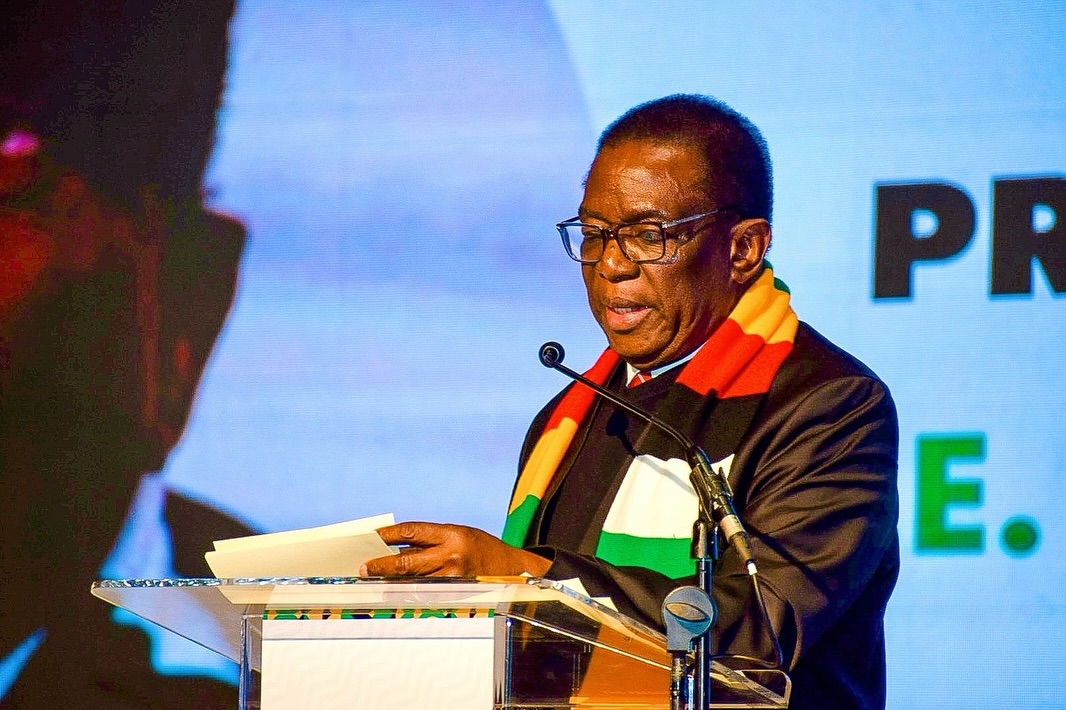
The promises of liberation have been betrayed, as many Zimbabweans suffer the consequences of a government more focused on consolidating power than on upholding democratic values.
Mnangagwa’s administration has faced widespread criticism for its authoritarian tactics, including the suppression of dissent and intimidation of opposition leaders. The government’s response to protests has often been violent, with security forces deployed to quash any signs of unrest.
This heavy-handed approach has created a climate of fear, stifling free expression and leading many to question the legitimacy of ZANU-PF’s rule.
Elections in Zimbabwe have been fraught with controversy, with allegations of vote rigging and manipulation becoming common. The 2018 elections, which were supposed to mark a new era for the country, were marred by violence and accusations of electoral fraud.
As ZANU-PF continues to cling to power through dubious means, the dream of a democratic and prosperous Zimbabwe remains elusive for its citizens.
CCM: The Struggle with Corruption
In Tanzania, CCM has been the ruling party since independence but is increasingly criticized for its handling of corruption and governance under Samia Suluhu Hassan. While the nation has made strides in development, the persistent issue of corruption undermines progress.
Allegations of embezzlement and misappropriation of public funds have surfaced, with many accusing party officials of prioritizing personal gain over the welfare of the populace.
This culture of corruption hampers efforts to improve the lives of ordinary Tanzanians, creating a growing divide between the ruling elite and the citizens.
Hassan’s administration has also faced scrutiny for its approach to dissent and free speech. Critics of the government have reported harassment and intimidation, particularly those who speak out against corruption.
This oppressive environment stifles public discourse and creates an atmosphere where citizens feel their voices are silenced. The once-promised democratic ideals appear increasingly hollow as the government seeks to maintain control.
Elections in Tanzania have not been without controversy, with accusations of voter suppression and manipulation emerging during recent polls.
As CCM seeks to maintain its grip on power, the integrity of the electoral process is called into question, leaving many citizens disenchanted with a party that seems more focused on retaining authority than on serving the people.
The dreams of a united and prosperous Tanzania hang in the balance as the party navigates the challenges of governance in an increasingly complex political landscape.
Conclusion: A Call for Reflection and Renewal
The Liberation Movements Summit serves as a reminder of the historical struggles for freedom across Southern Africa.
However, the current realities in these nations reveal a disheartening trend: the very movements that once fought against oppression now face accusations of perpetuating new forms of tyranny and mismanagement.
The lessons of history compel these movements to reflect on their legacies and recommit to the ideals that once inspired them.
As the continent looks to the future, there is a pressing need for leadership that prioritizes integrity, accountability, and genuine service to the people. The dream of liberation should not merely be a historical narrative but a living commitment to the well-being of all citizens.
Only through a return to these foundational principles can the legacy of liberation movements evolve from a tale of struggle into one of genuine progress and empowerment for future generations.
Tonderai Godknows Mapfumo is the Research and Advocacy Officer for COMALISO (Coalition for Market and Liberal Solutions) in Zimbabwe and an Associate of the Free Market Foundation.

